Revitalizing Post-Industrial Peripheries: Regional Network for Sustainable Urban Regeneration
REVITALIZING POST-INDUSTRIAL PERIPHERIES
REGIONAL NETWORK FOR SUSTAINABLE URBAN REGENERATION
Leader of the Polish team
Assistant Professor Joachim Popek
Team
Assistant Professor Małgorzata Skulimowska
Assistant Professor Grzegorz Wrona
Assistant Bartosz Korczyński
Leader of the project
Gergely Papp – PAD Foundation for environmental justice/Hungary
Partners
University of Ostrava, Faculty of Arts (Ostrava, CS),
Spolka (Košice, SK),
University of Rzeszów, Institute of History (Rzeszów, PL)
Realization period
1.06.2025 – 28.02.2026
Funding
Visegrad Grants (No. 22510356) from the International Visegrad Fund

Total project budget
32 570,00 Euro
Description
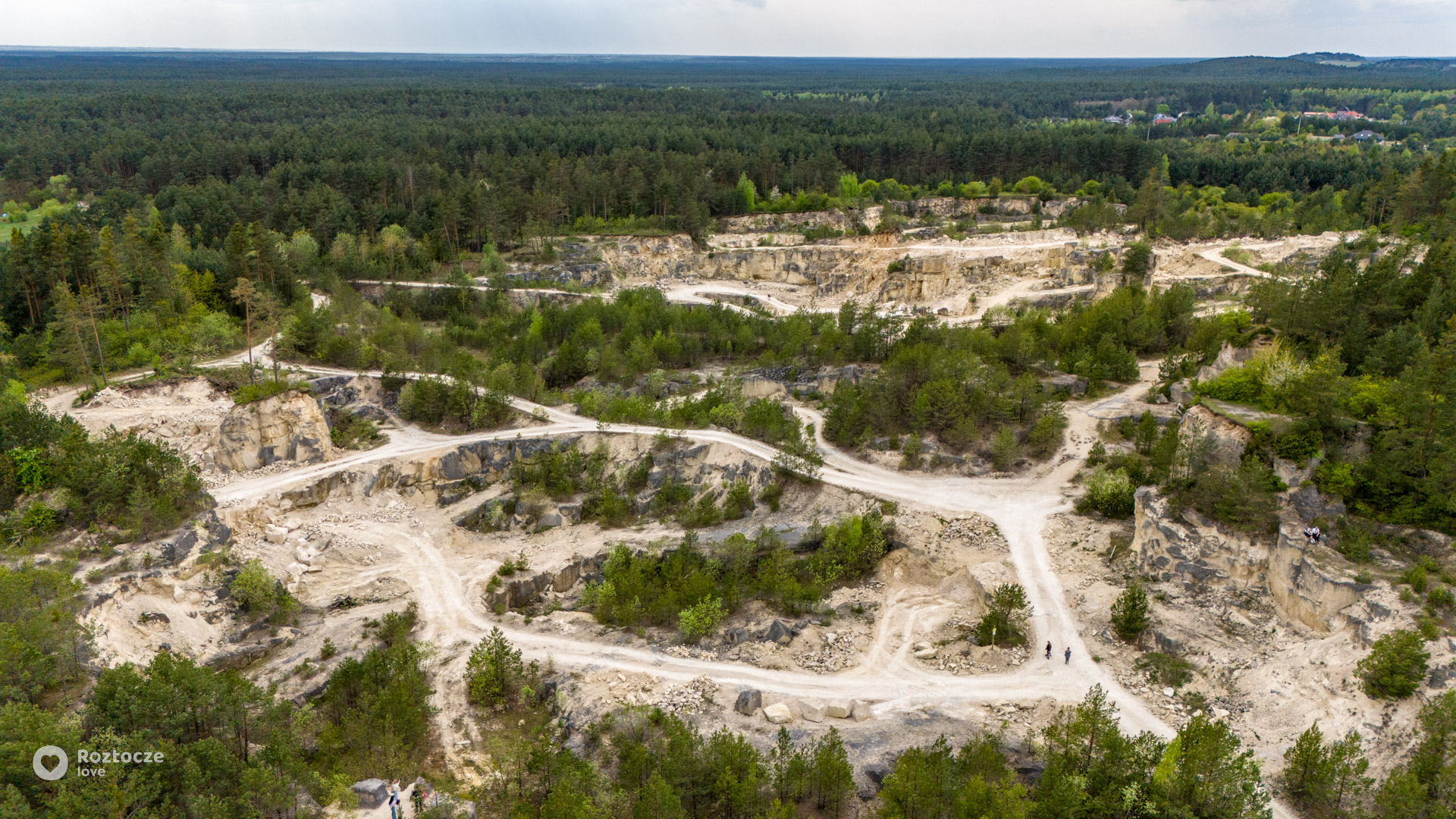
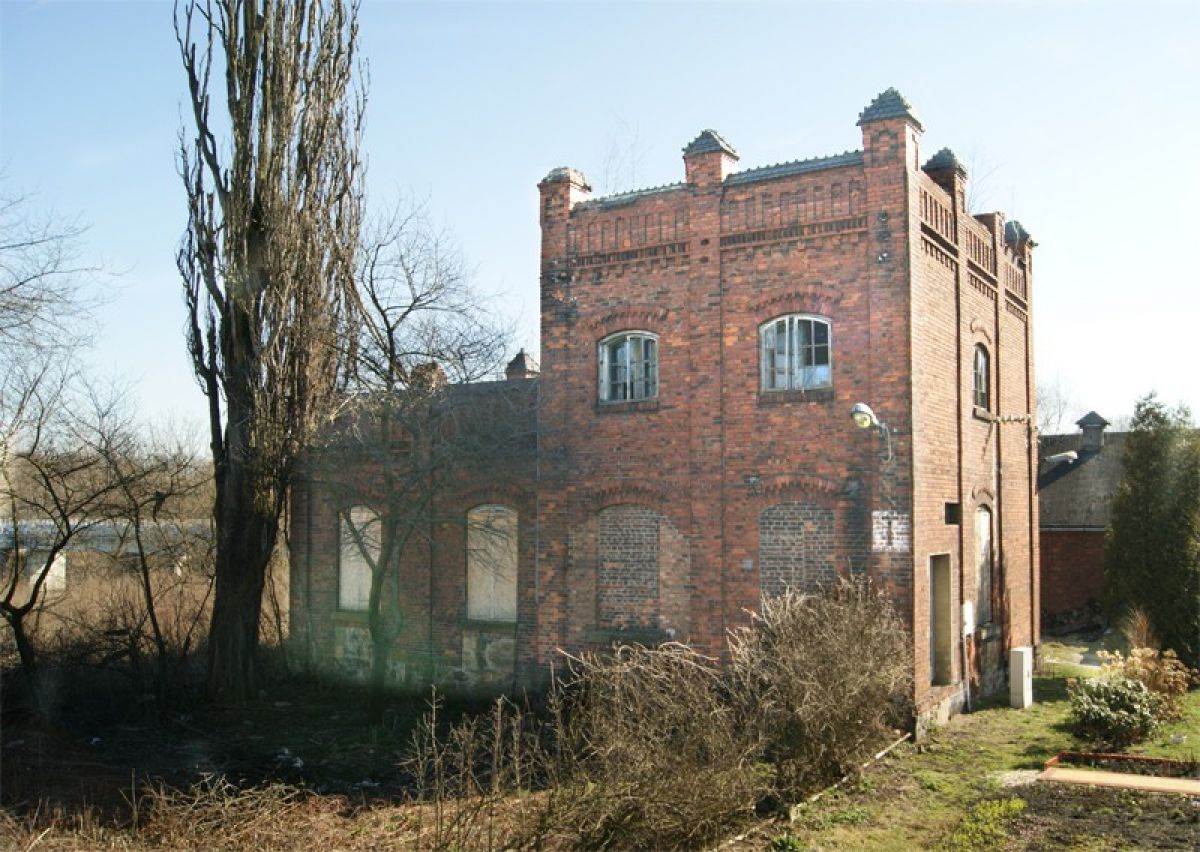
Former industrial and mining zones across East-Central Europe—especially in the urban and peri-urban fringes of mid-sized and shrinking cities—face severe challenges. These areas are marked by environmental degradation, economic disinvestment, and long-term social marginalization. Despite their historical significance to the region’s industrial growth, they often remain outside of mainstream planning agendas.
This initiative builds on the work of the Postindustrial Urban Periphery project to reframe these neglected territories as spaces of both risk and potential. We support community-driven, ecologically sound regeneration strategies rooted in local knowledge, while promoting cross-border exchange among actors facing similar postindustrial legacies.
Our main objective is to co-create a transnational framework for East-Central Europe to evaluate and transform brownfield sites in ways that are socially just and environmentally responsible. Through local engagement and regional collaboration, the project empowers municipalities, civic groups, researchers, and economic actors to reimagine these peripheries as future commons.
Project outcomes include:
- A co-designed brownfield regeneration assessment tool, developed with local and regional stakeholders;
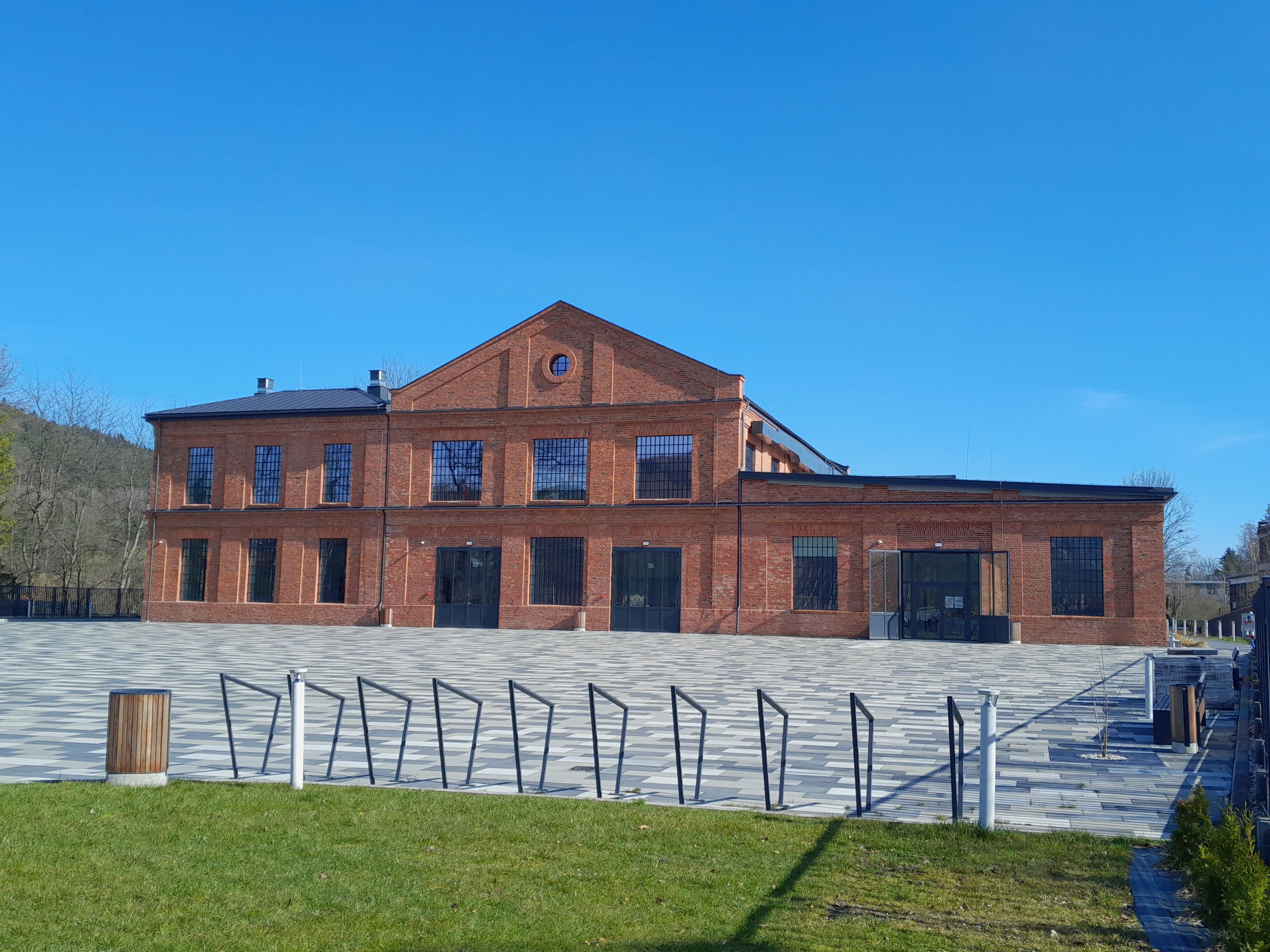
- A set of comparative case studies highlighting adaptive reuse, and social, economic, and institutional innovation;
- A multilingual web platform and online toolkit, available in the languages of the four Visegrad countries and English;
- A growing regional network of practitioners committed to a socially just and green transition of postindustrial urban areas in East-Central Europe.
This project is co-financed by the governments of Czechia, Hungary, Poland, and Slovakia through Visegrad Grants from the International Visegrad Fund, which promotes sustainable regional cooperation in Central Europe.
More information:
https://postindustrial.network/
https://www.pad.network/projects/revitalizing-post-industrial-peripheries
detailed description of the project