
Revitalizing Post-Industrial Peripheries: Regional Network for Sustainable Urban Regeneration
REVITALIZING POST-INDUSTRIAL PERIPHERIES
REGIONAL NETWORK FOR SUSTAINABLE URBAN REGENERATION
Leader of the Polish team
Assistant Professor Joachim Popek
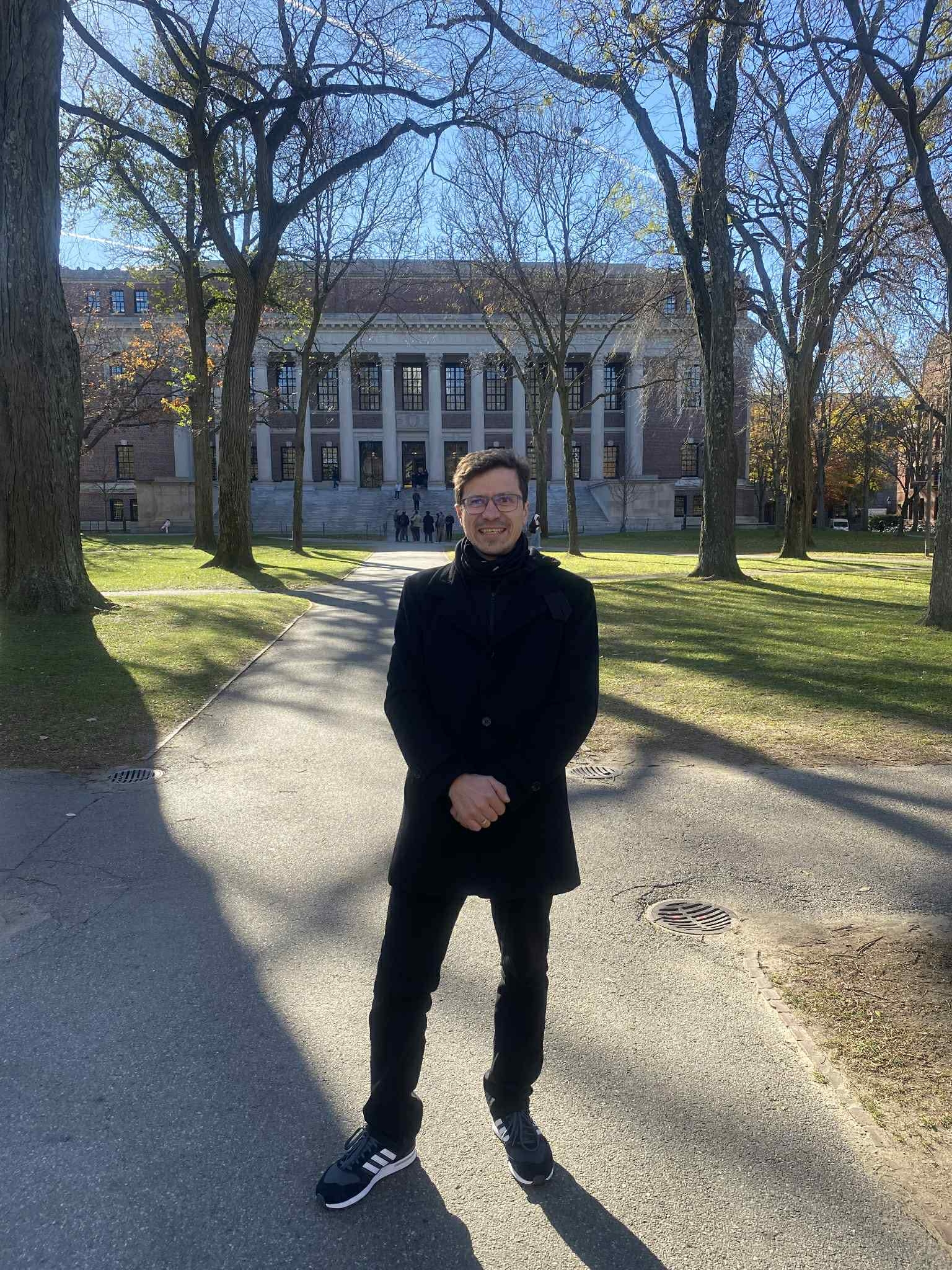
Team
|
Assistant Professor Małgorzata Skulimowska
|
Assistant Professor Grzegorz Wrona
|
Assistant Bartosz Korczyński
|


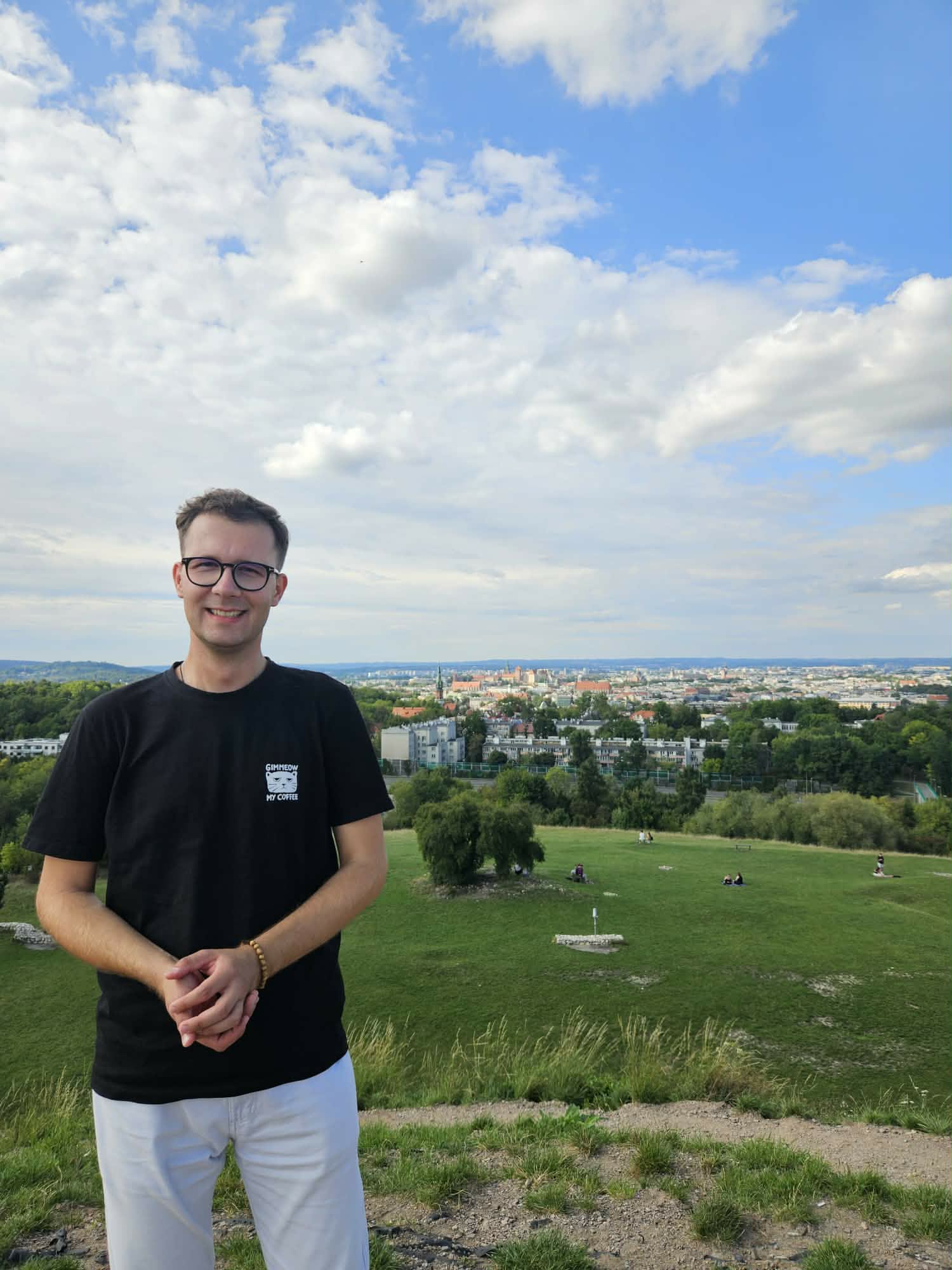
Leader of the project
Gergely Papp – PAD Foundation for environmental justice/Hungary
Partners
University of Ostrava, Faculty of Arts (Ostrava, CS),
Spolka (Košice, SK),
University of Rzeszów, Institute of History (Rzeszów, PL)
Realization period
1.06.2025 – 28.02.2026
Funding
Visegrad Grants (No. 22510356) from the International Visegrad Fund

Total project budget
32 570,00 Euro
Why is this project important?
Across Central and Eastern Europe, vast post-industrial areas stretch out on the outskirts of cities and towns: former factories, mines, chemical plants, railway yards, and working-class neighborhoods.
These places:
- once formed the basis of work, infrastructure, and everyday life,
- are now often unused and environmentally burdened,
- but have key potential for ecological regeneration and socially just urban transformation.
The Revitalization of Post-Industrial Peripheries project offers a common framework for understanding, comparing, and reimagining these territories.
How do we understand post-industrial landscapes?
The project does not treat post-industrial areas as isolated post-industrial areas. Instead, it sees them as interconnected socio-ecological landscapes shaped simultaneously by:
- industrial heritage
- post-socialist transformation
- contemporary conditions of management and planning
This perspective allows us to identify not only problems, but also hidden potential for regeneration.
Common challenges, common opportunities
Across the region, post-industrial areas typically face the following problems:
- contaminated soil and water
- fragmented ownership structures
- dilapidated residential buildings and public spaces
- limited municipal capacity
At the same time, many areas are characterized by:
- community initiatives
- informal uses and practices
- activities based on industrial heritage
- spontaneous ecological regeneration
All of this together forms the basis for adaptive, place-based regeneration.
What does the project examine?
The project analyzes 13 cases from Hungary, Slovakia, the Czech Republic, Poland, and Ukraine.
These cases:
- cover urban, suburban, and rural contexts,
- represent diverse post-industrial typologies,
- are comparable while retaining their local specificity.
Four thematic areas of analysis
Each case study is assessed based on four interrelated thematic areas:
Green development and environmental conditions
Soil, water, ecological processes, climate adaptation
Public space and housing
Living environment, social spaces, social accessibility
Heritage and city image
Industrial heritage, identity, cultural use
Economy and reuse
Local economy, circular practices, adaptive reuse
Common evaluation dimensions
The project uses the same guiding questions in all thematic areas:
- How is the land used?
- What is the state of the environment?
- How does management work?
- How multifunctional is the place?
- How socially accessible is it?
- What is the long-term vision?
Based on this analysis, five recurring cross-cutting themes emerge: multifunctionality · connectivity · participation · climate resilience · cultural continuity
Small steps, big impact
Rather than offering ready-made solutions, the project identifies entry points - small, targeted interventions that can trigger broader transformation.
These may include:
- opening access to fenced-off areas
- recognizing informal uses
- strengthening ecological connections
- supporting local businesses
- improving coordination between actors
How does the project contribute to development?
The project creates a regional knowledge base that supports:
- Municipalities
- Planners and specialists
- Civil society organizations
- Investors
in a more strategic, coordinated, and long-term approach to the revitalization of post-industrial areas.
Towards a just and green transition
The Revitalization of Post-Industrial Peripheral Areas project promotes an integrated regional approach combining:
- assessment of post-industrial sites
- data exchange
- participatory management
- cross-border cooperation
It transforms post-industrial landscapes not as burdens, but as strategic spaces for transformation, where:
- ecological restoration
- social integration
- reuse of heritage
- circular economy practices
can reinforce each other.
The main results of the project are:
- regional internet platform: www.postindustrial.network
- English-language publication (Adaptive Regeneration: An East-Central European Framework for Postindustrial Transformation) and a collection of case studies (Postindustrial Regeneration in East-Central Europe – Case Studies: A Comparative Assessment of 13 Sites Across the Region)
Case studies
1. The Women's Valley Stone Mine in Józefów

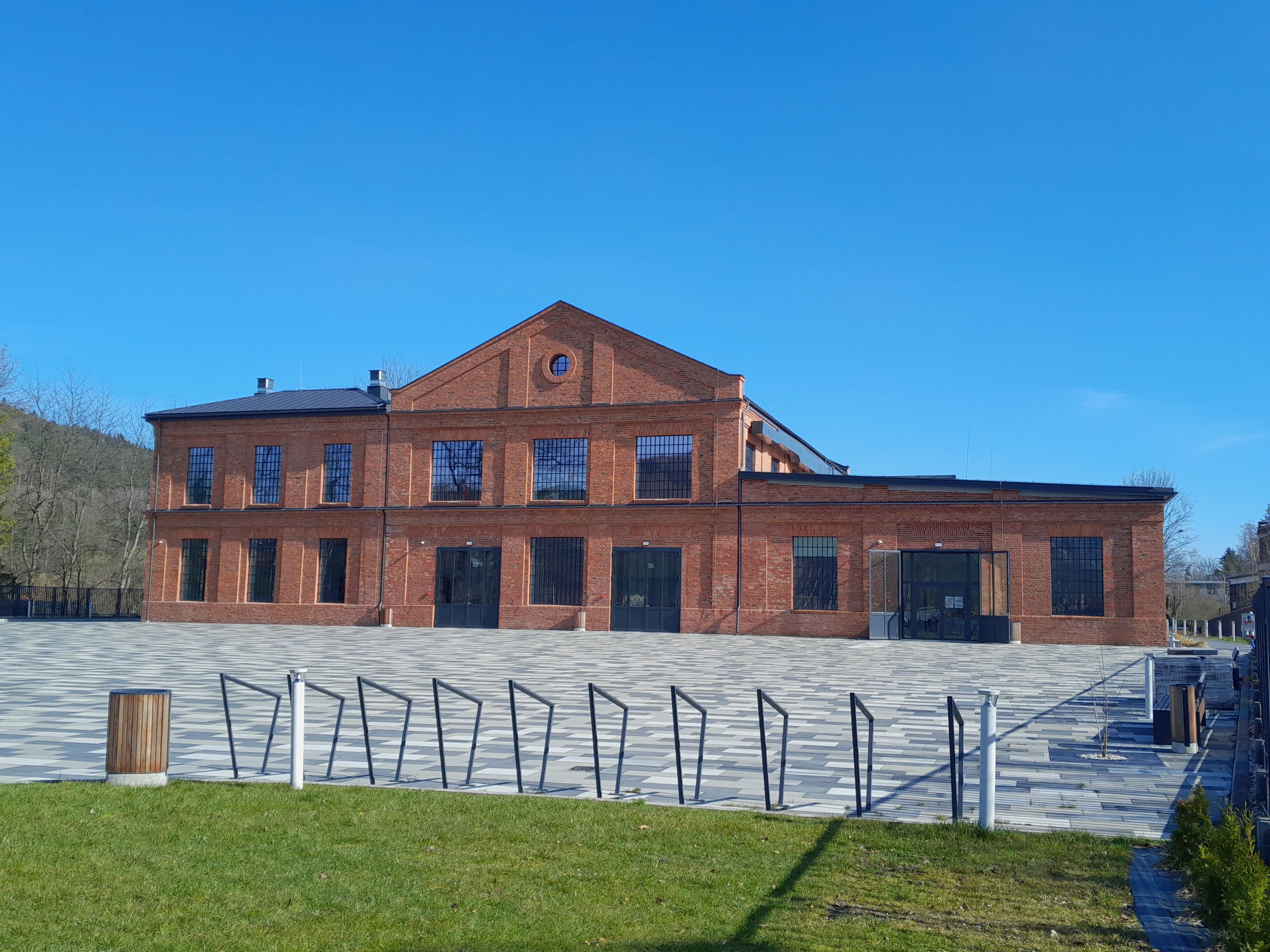
2. Former oil refinery “Fanto” in Ustrzyki Dolne
3. The Salt Springs in Drohobych
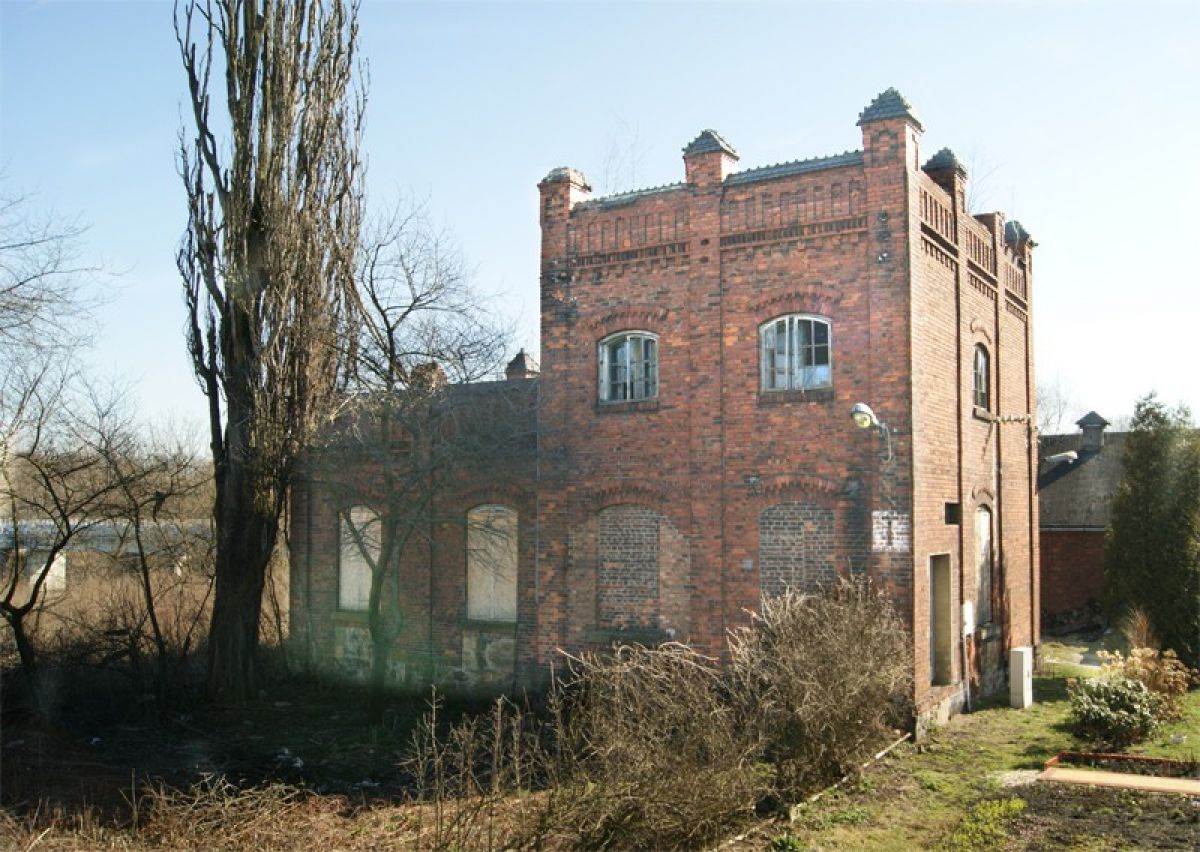
4. Railway Facilities in Rzeszów
Cluster: Economy & Resource Use
The northeastern periphery of the Visegrad region, i.e., southern Poland and the Polish-Ukrainian borderland, holds a special place in traditional economic branches, concentrated primarily in the cluster of extraction, processing, and export of minerals and fossil fuels. Despite intensive exploitation of mineral resources, a gradual and systematic decline can be observed, resulting from the availability of raw materials, the profitability of extraction, and, above all, the energy and climate policy of the European Union. Open-pit mining of stone and salt deposits and oil well drilling are traditional industries in the region, some of which date back to the 16th century. The golden age of the railway industry, stone exports, and oil production and distillation, initiated on a global scale by Ignacy Łukasiewicz, came in the second half of the 19th century. Currently, despite active refinery operations in the region by Polish oil giants such as Polish Oil Company Orlen, drilling for gas and oil in the Subcarpathian region is carried out occasionally. However, the legacy of the open-pit mining and oil refinery industries has left a lasting trace on the landscape of the Subcarpathian region. The most visible features are abandoned shafts and wells used for salt and oil extraction, as well as depleted areas of former open-pit mines. The biggest problem and a barrier towards their revitalization remain financial resources and task responsibility—that is, who is responsible for this? Despite the many needs for regeneration of post-industrial areas, a gradual process of re-use and re-development is clearly noticeable, and a key element of this is the preservation and preservation of knowledge about the region's former economic heritage. The best examples are the ongoing revitalization of the former Fanto refinery in Ustrzyki Dolne and the stone mine in Józefów.
Reuse plans and functional intensity
The adopted economic model is currently single-functional in nature. However, there has been a noticeable turn in local and central policy, directed at preserving the heritage of the former and current economic cluster and resulting from the low profitability of traditional forms of exploitation, as in the case of salt production, i.e. mainly gas and oil. In place of exploited or abandoned open-pit mines, they are created, for example, so-called 'geoparks'. The regeneration of such areas is by definition multifunctional and sometimes is financially supported by local and central authorities. Ultimately, it is intended to be an open space for the society. The establishment of geoparks is part of Poland's broader environmental policy and the region's sustainable development policy.
Management and Political Context
From the perspective of the Subcarpathian region and the V4 countries, the regeneration of former mines, shafts, drilling sites, and railway infrastructure that once supported the mining industry, faces primarily financial problems and a lack of a consolidated policy or spatial development program. The policy of reusing post-industrial sites in towns is very fragmented and inconsistent. In practice, it depends on the level of ingenuity and involvement of local authorities and the availability of EU programs or other institutions financing competitions for the regeneration of specific areas.
Strategic perspective
From a regional perspective and that of the V4 countries, the re-use of post-industrial urban areas is a necessity. This also applies to the Polish-Ukrainian borderlands, i.e., the former eastern territories of the Polish-Lithuanian Commonwealth, which, under the current association agreement between Ukraine and the EU, have the opportunity to receive financial resources for regeneration, but above all for the maintenance and to preserve traditional and historical forms of exploitation, e.g., salt springs. Such measures will primarily help to preserve the region's historical heritage, but above all, they will create multifunctional spaces open to the society, such as geoparks, combining educational and tourist features and protecting the region's historical heritage.
ONLINE PUBLICATION
ADAPTIVE REGENERATION
→ An East-Central European Framework for Postindustrial Transformation
https://postindustrial.network/pdf/PAD_PI_AdaptiveRegeneration.pdf