News
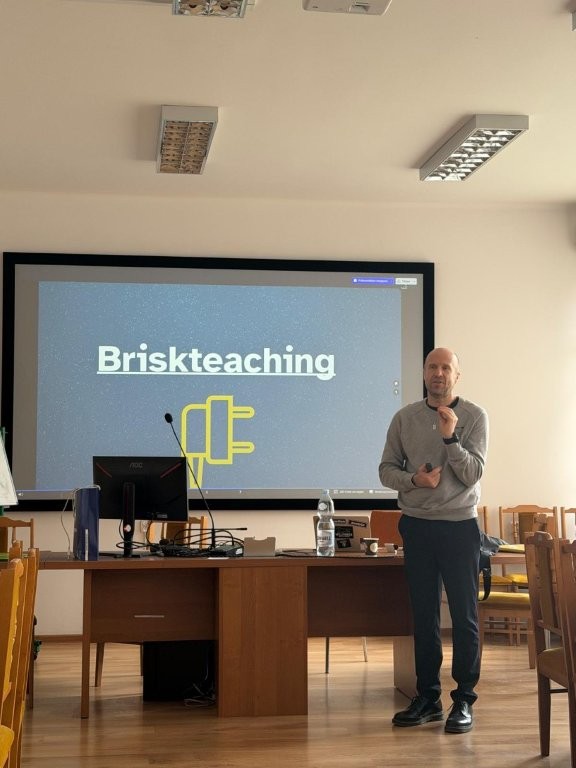
Artificial Intelligence in Teaching Practice – Workshop by Thomas Strasser from Pädagogische Hochschule Wien
In the era of the rapid digital transformation of education and the growing presence of artificial intelligence tools in teaching practice, initiatives that enable their critical and informed use in foreign language instruction are becoming increasingly important. This context framed the workshop “KI-Tools im Sprachunterricht – Praktische Impulse für den Schulalltag”, which took place on 10 April 2026 at the University of Rzeszów.
The event was organised by the Goethe-Institut in Kraków in cooperation with the Goethe-Institut Media Library in Rzeszów and the Institute of Applied Linguistics of the University of Rzeszów as part of the training series “KRK-Vernetzt”.
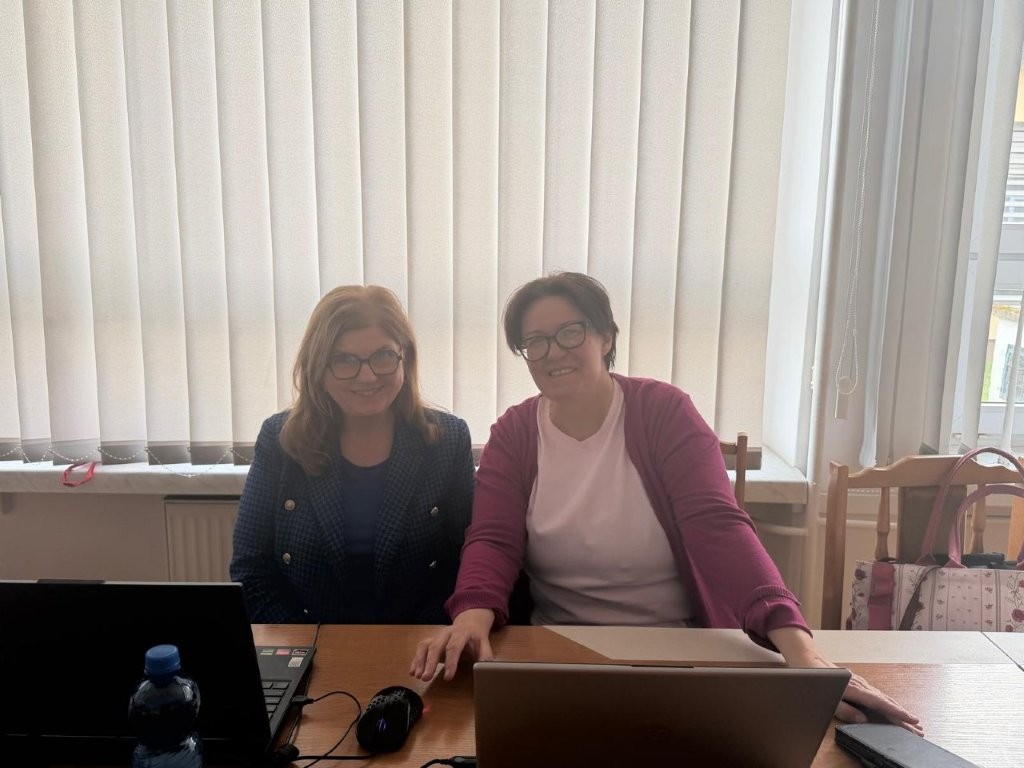
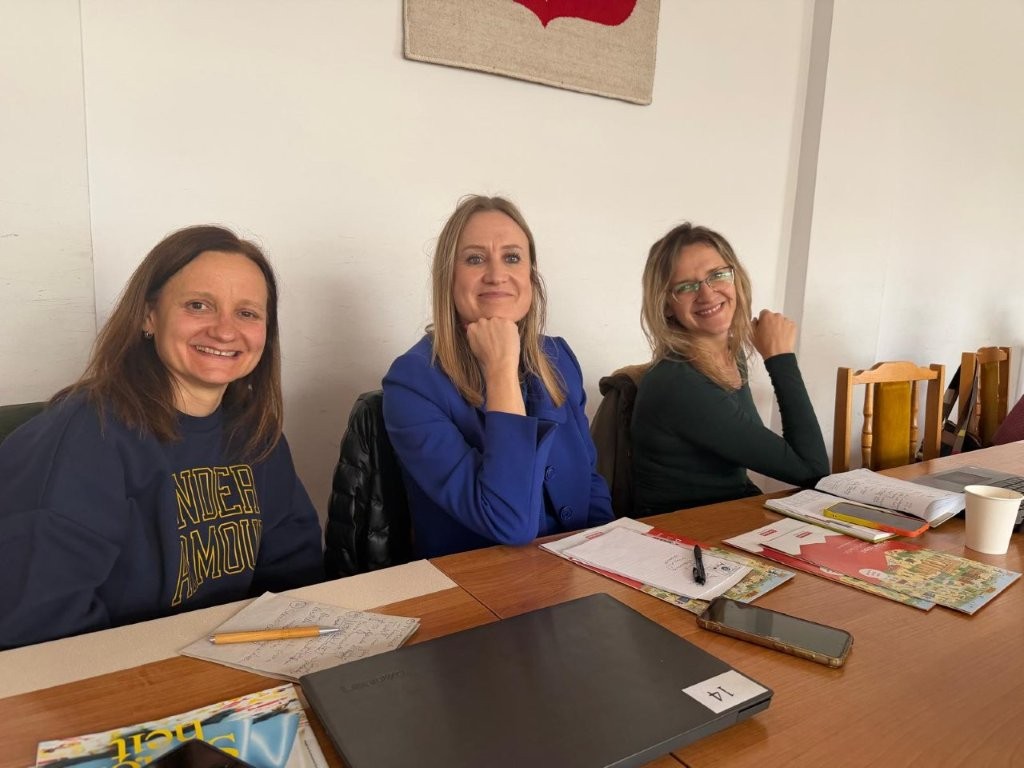
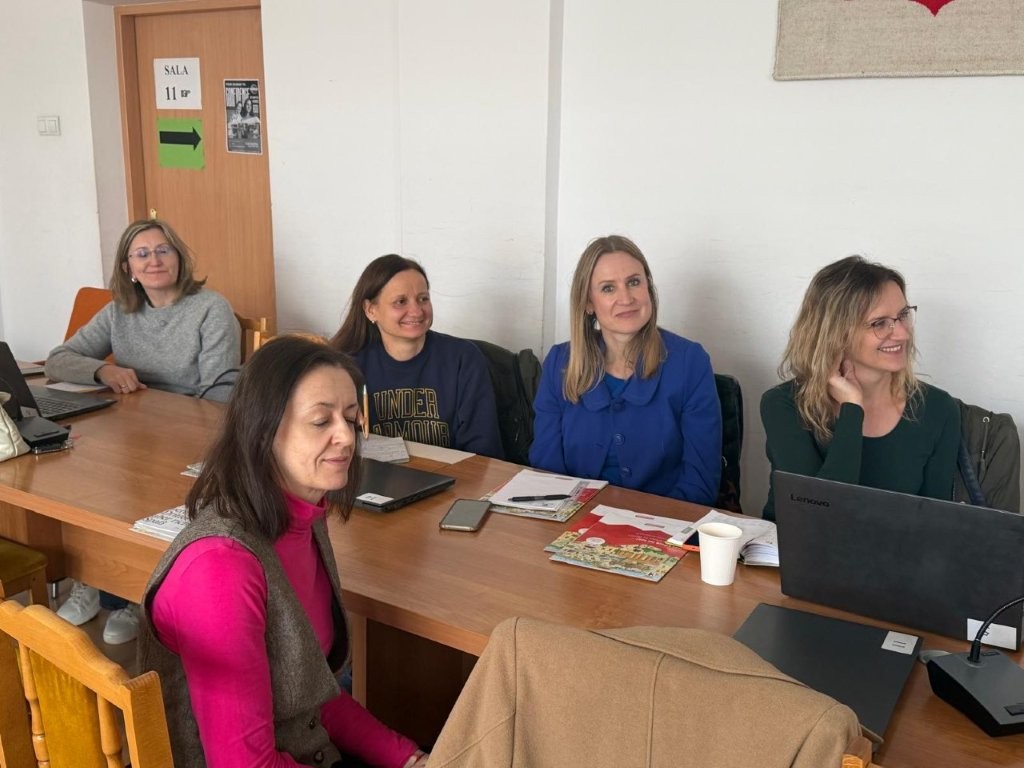
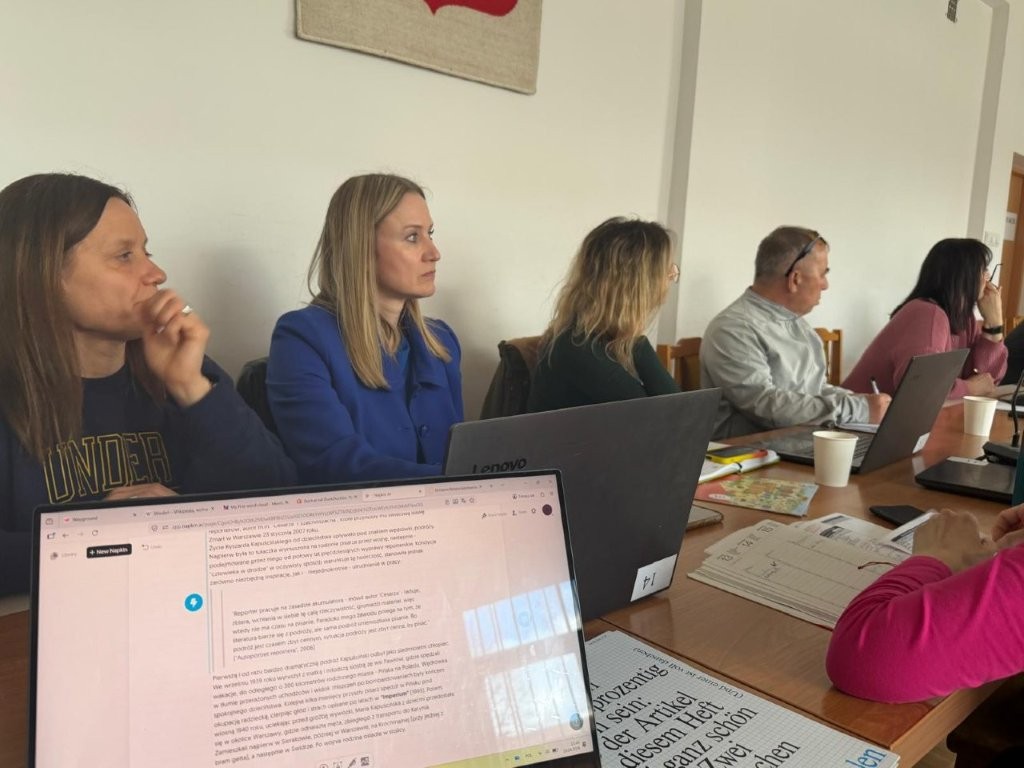
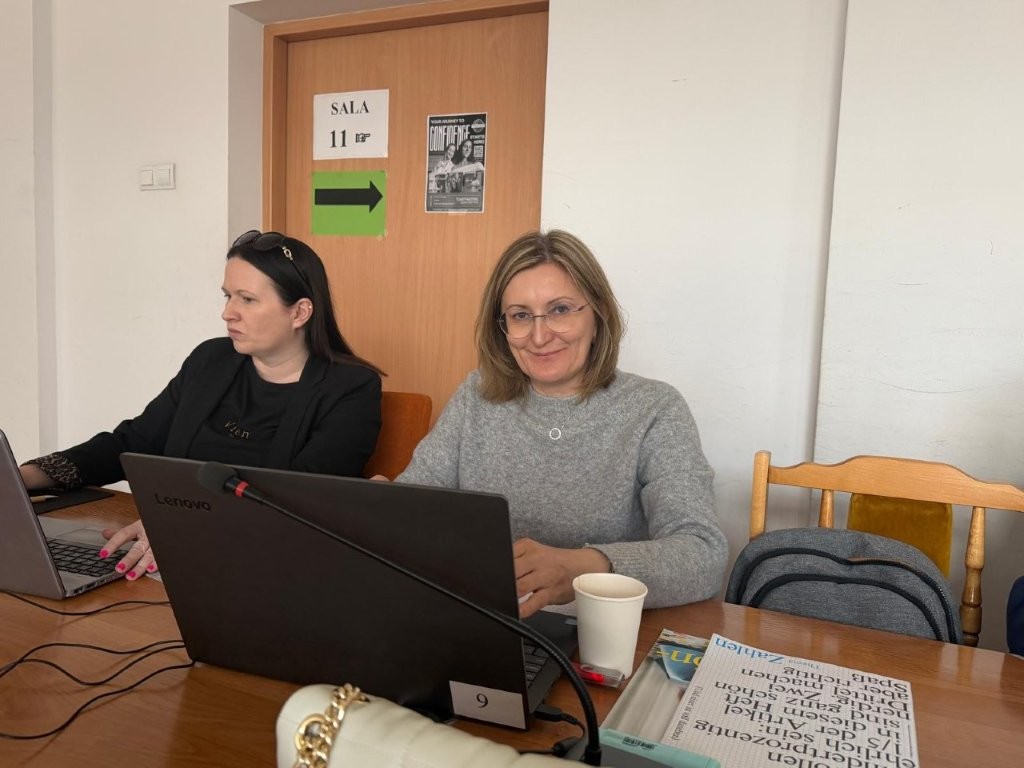
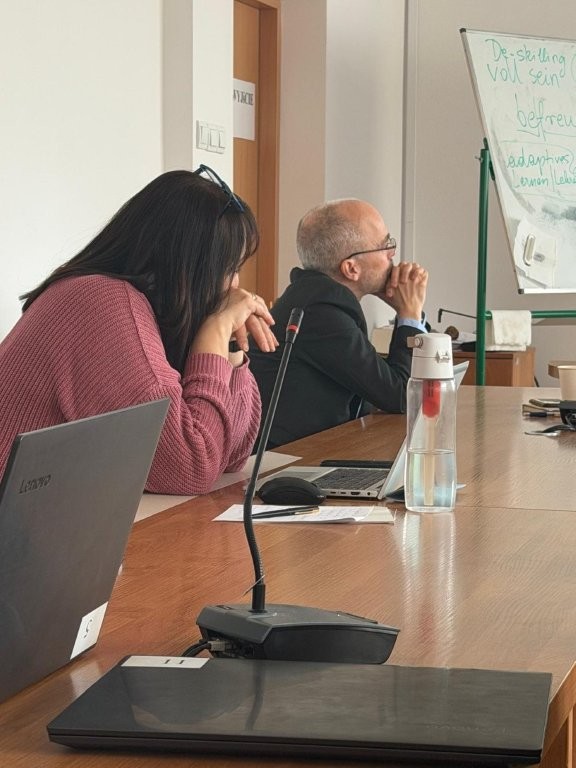
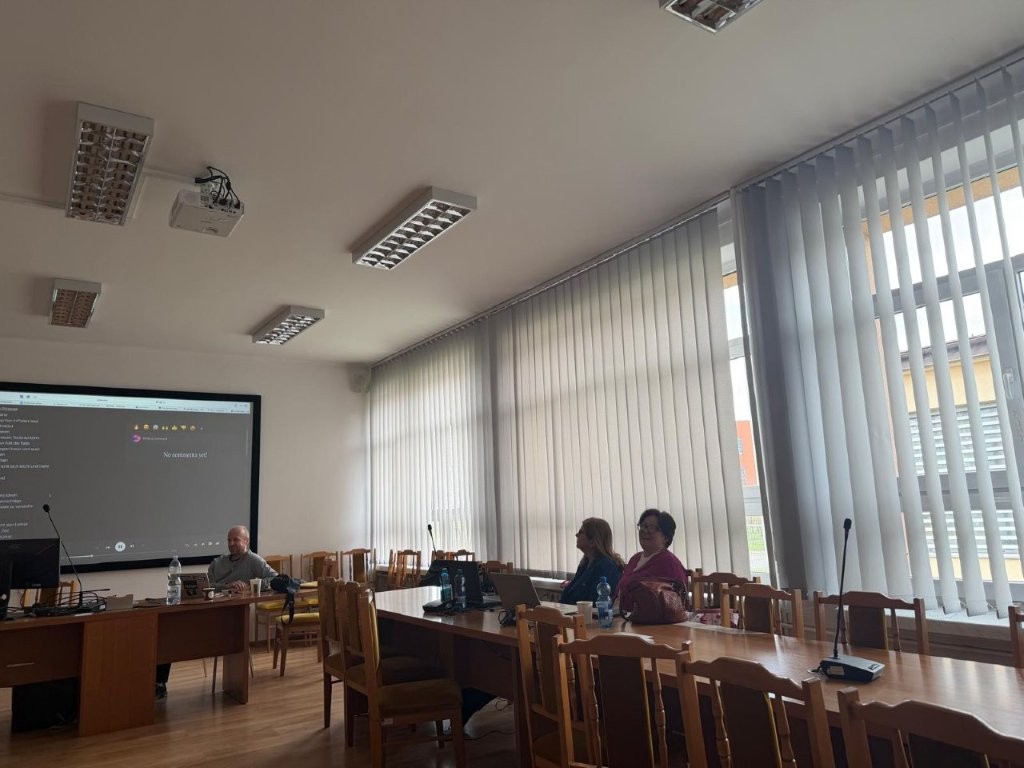
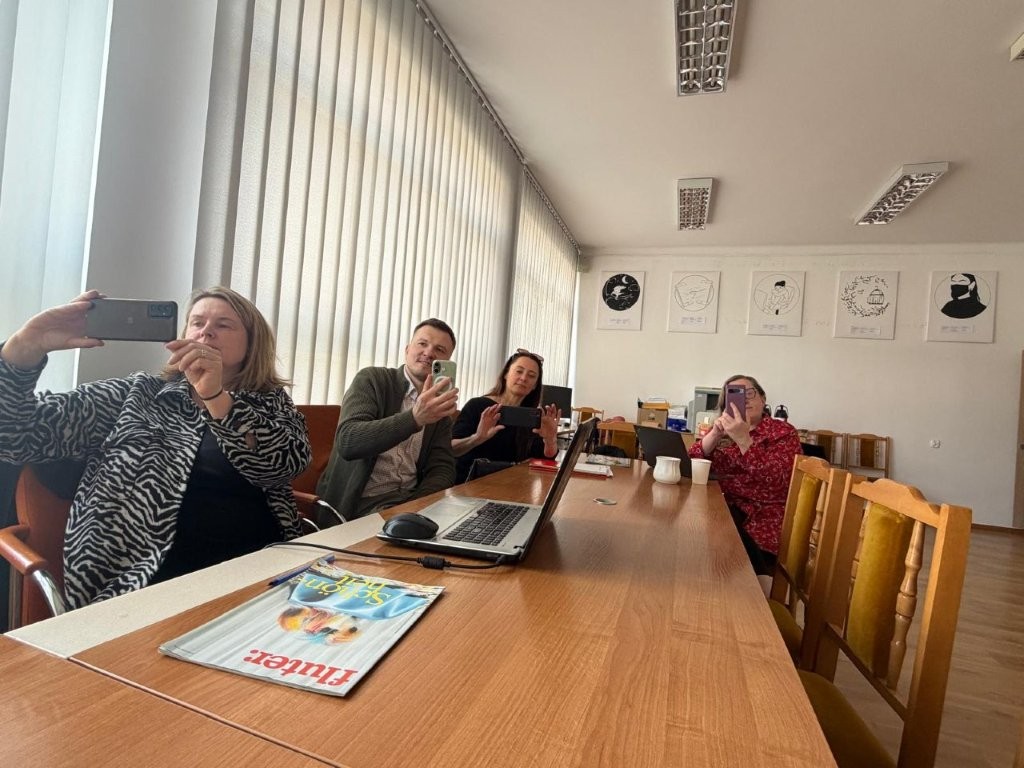
The workshop was attended by a large group of teachers and instructors of German as a foreign language, confirming the growing interest in innovative teaching solutions within the field of language education.
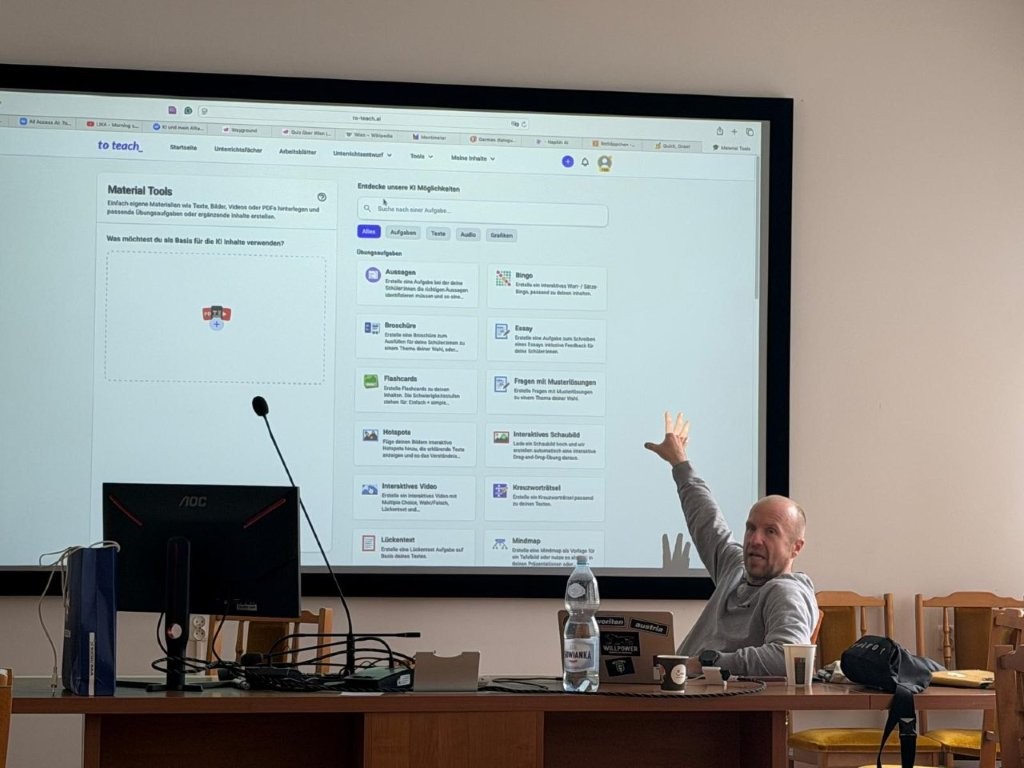
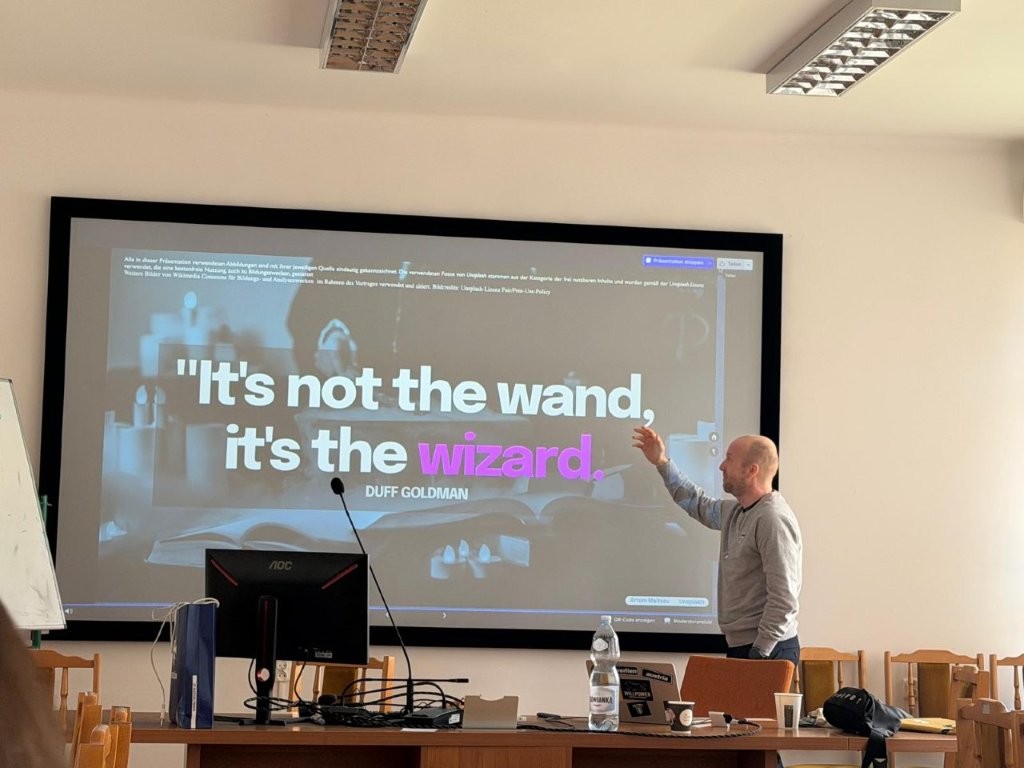
The training session was conducted by Thomas Strasser from Pädagogische Hochschule Wien, a specialist in the use of new technologies in foreign language teaching. The programme, comprising four teaching units, had a strongly practical orientation and focused on the application of artificial intelligence tools in everyday classroom practice.
Particular attention was devoted to concrete examples of how AI-based tools can support teachers both in lesson preparation and in classroom implementation. Participants explored, among other topics, the possibilities of generating visual materials, creating tasks aimed at developing receptive skills such as listening comprehension and the understanding of audiovisual texts, as well as designing interactive forms of assessment, including AI-supported quizzes. An important aspect of the workshop was also the discussion of how digital tools may contribute to more effective lesson planning.
The workshop aimed to equip participants with a set of practical competences enabling the conscious, critical, and effective use of digital technologies in foreign language teaching. The meeting also provided a valuable opportunity for the exchange of experiences and for reflection on the role of artificial intelligence in shaping contemporary educational practices and pedagogical discourse.