News
When Words “Make a Career”: Guest Lecture by Dr Anna Lewandowska and Prof. Gerd Antos
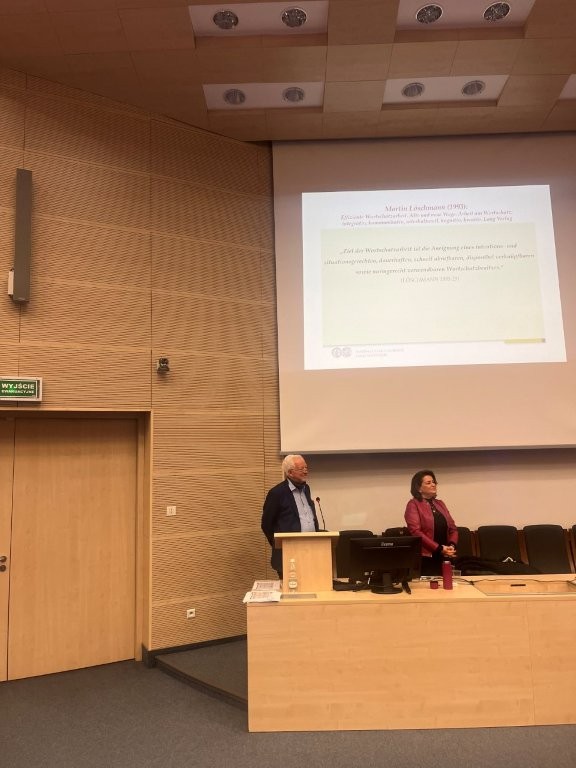
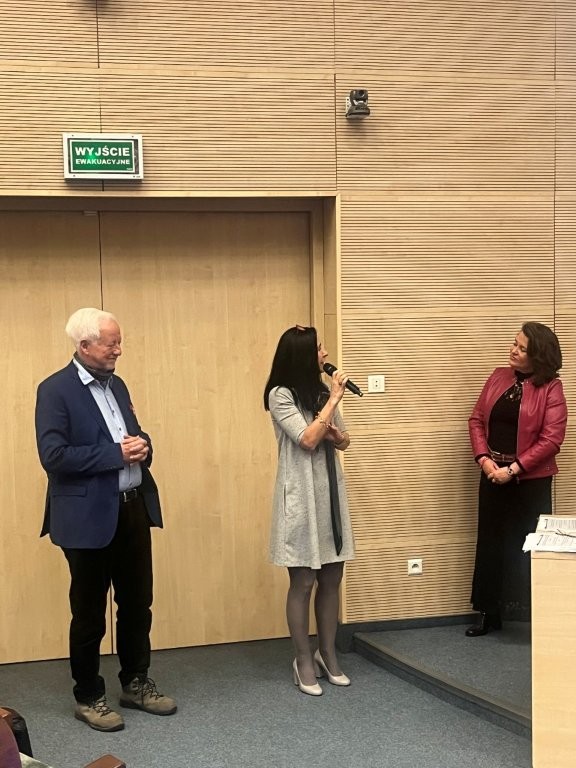
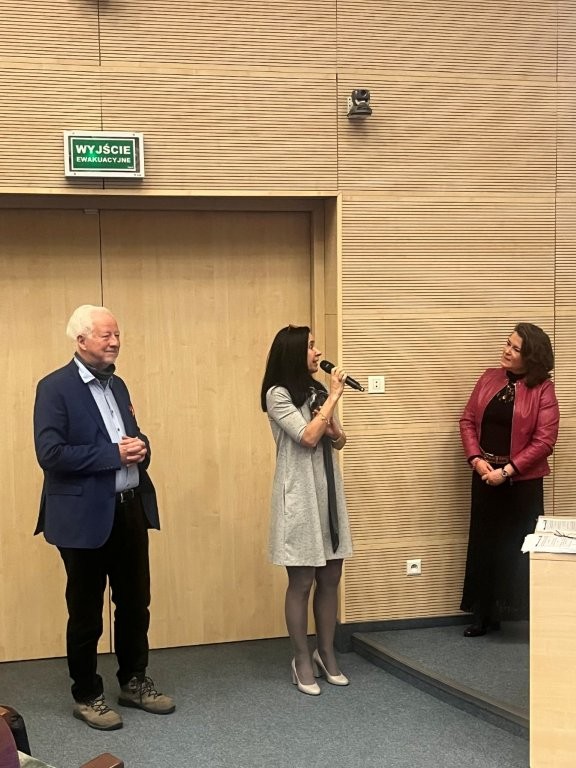
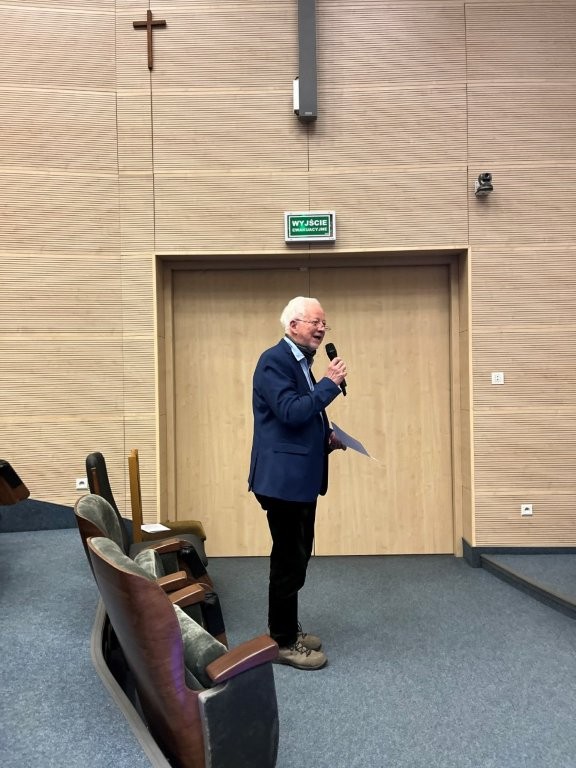
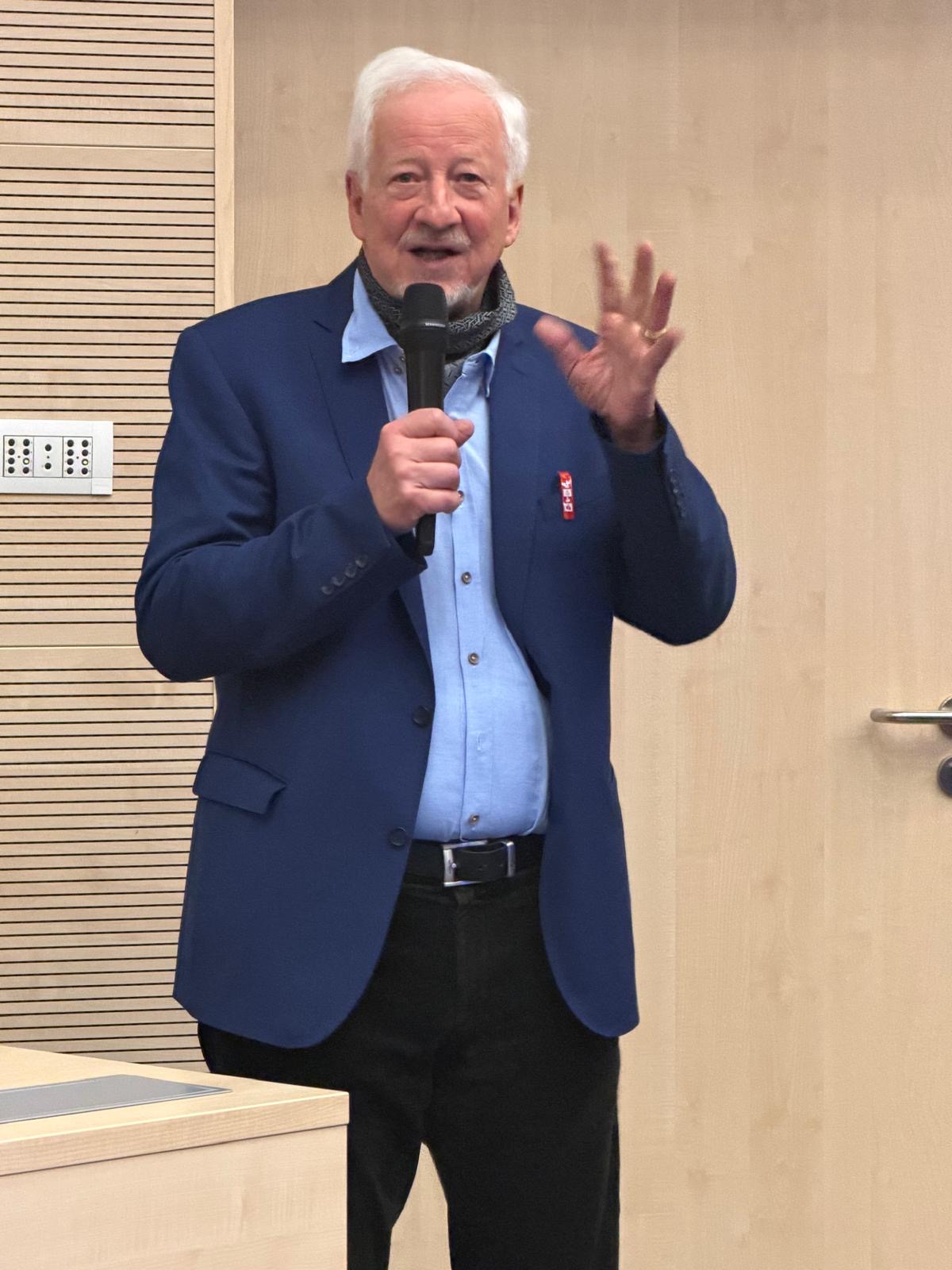
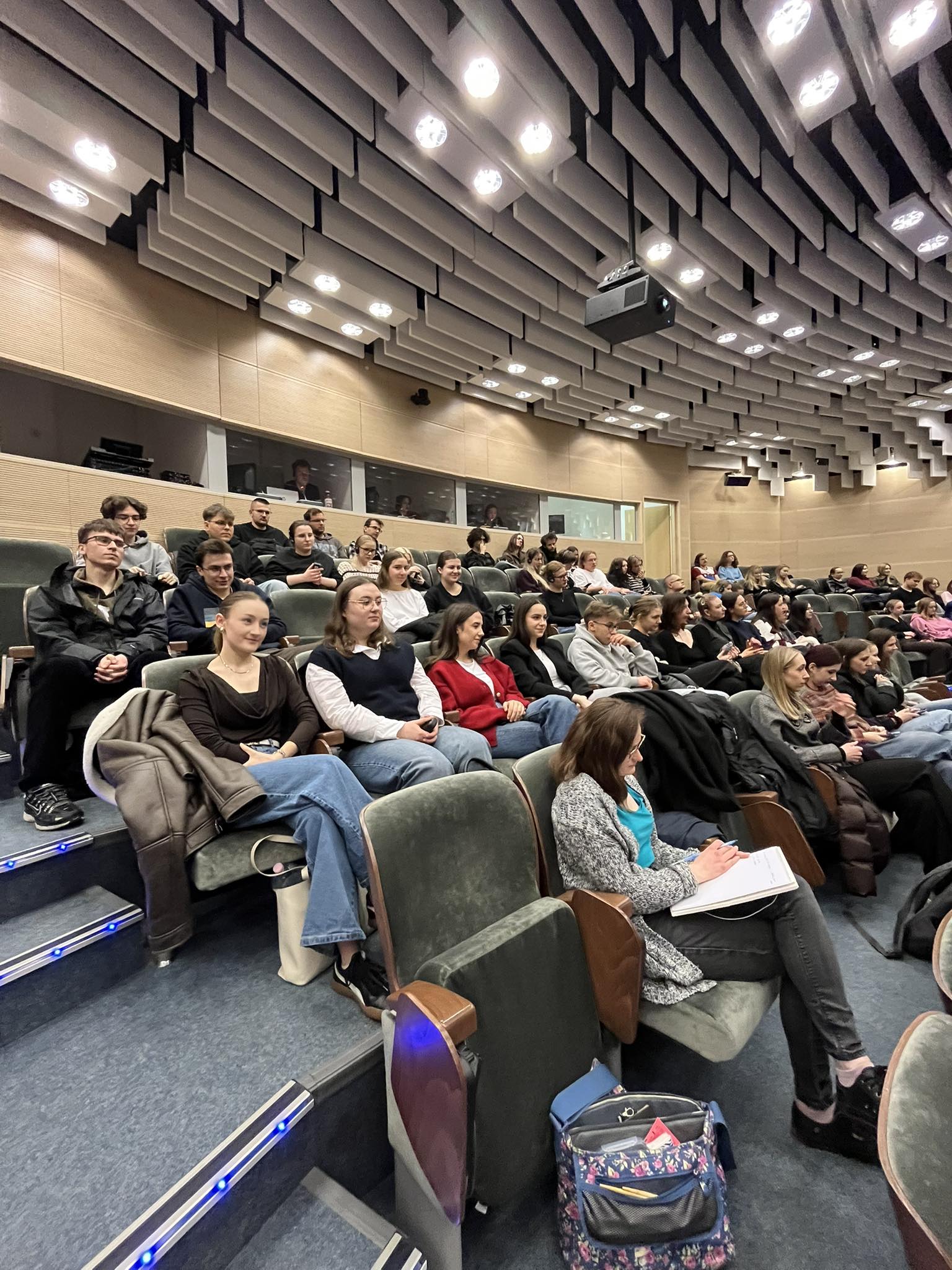
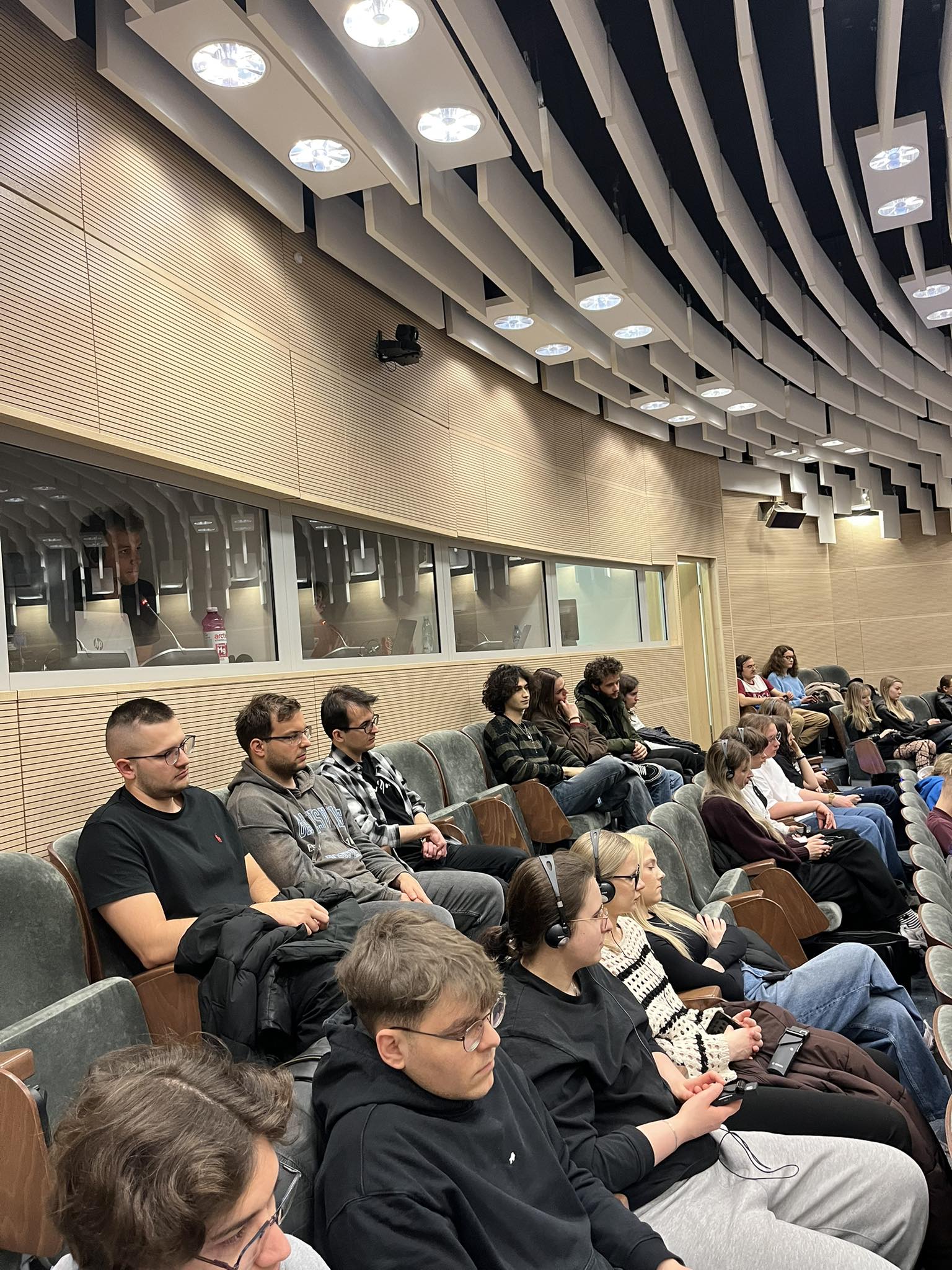
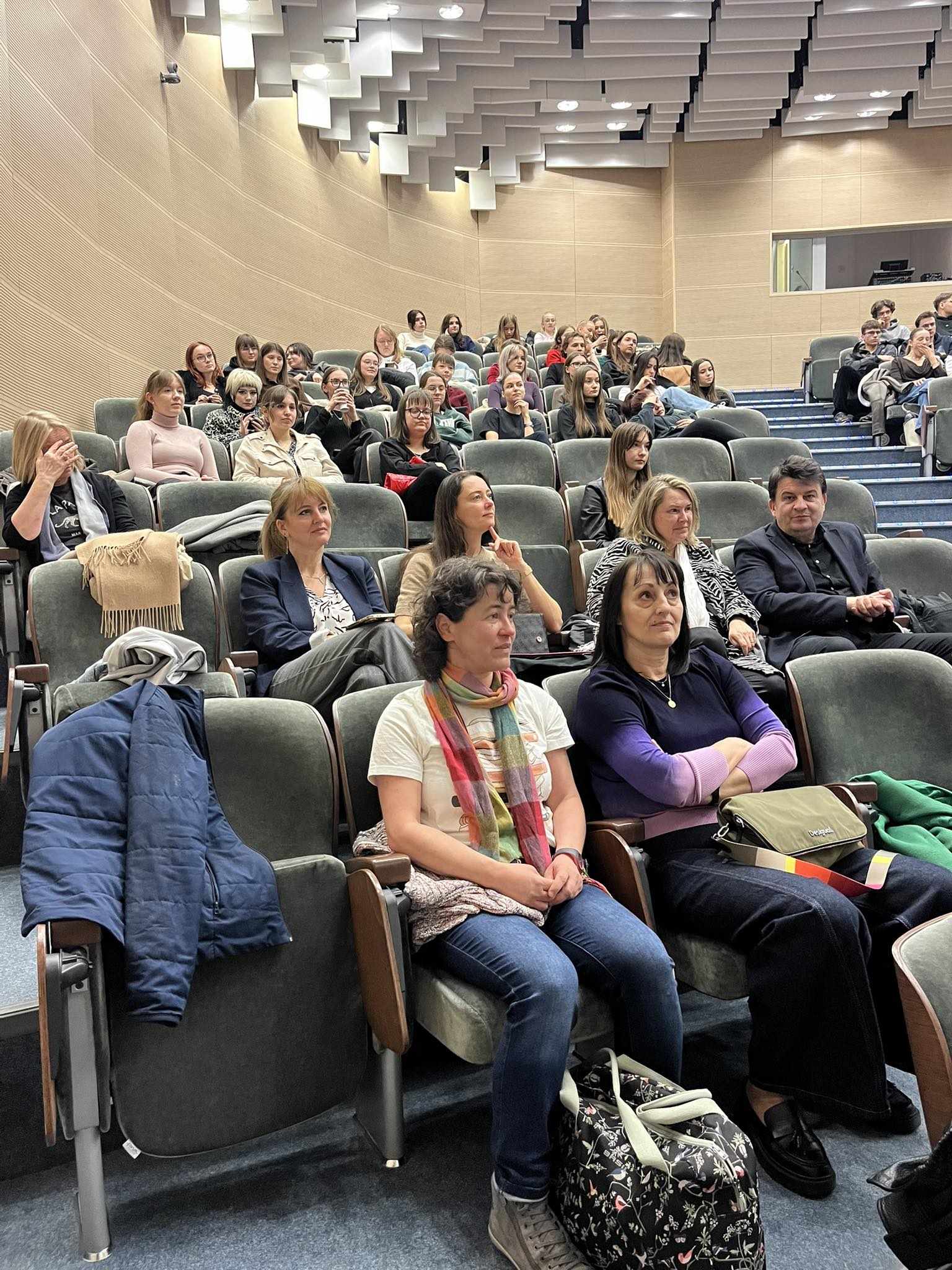
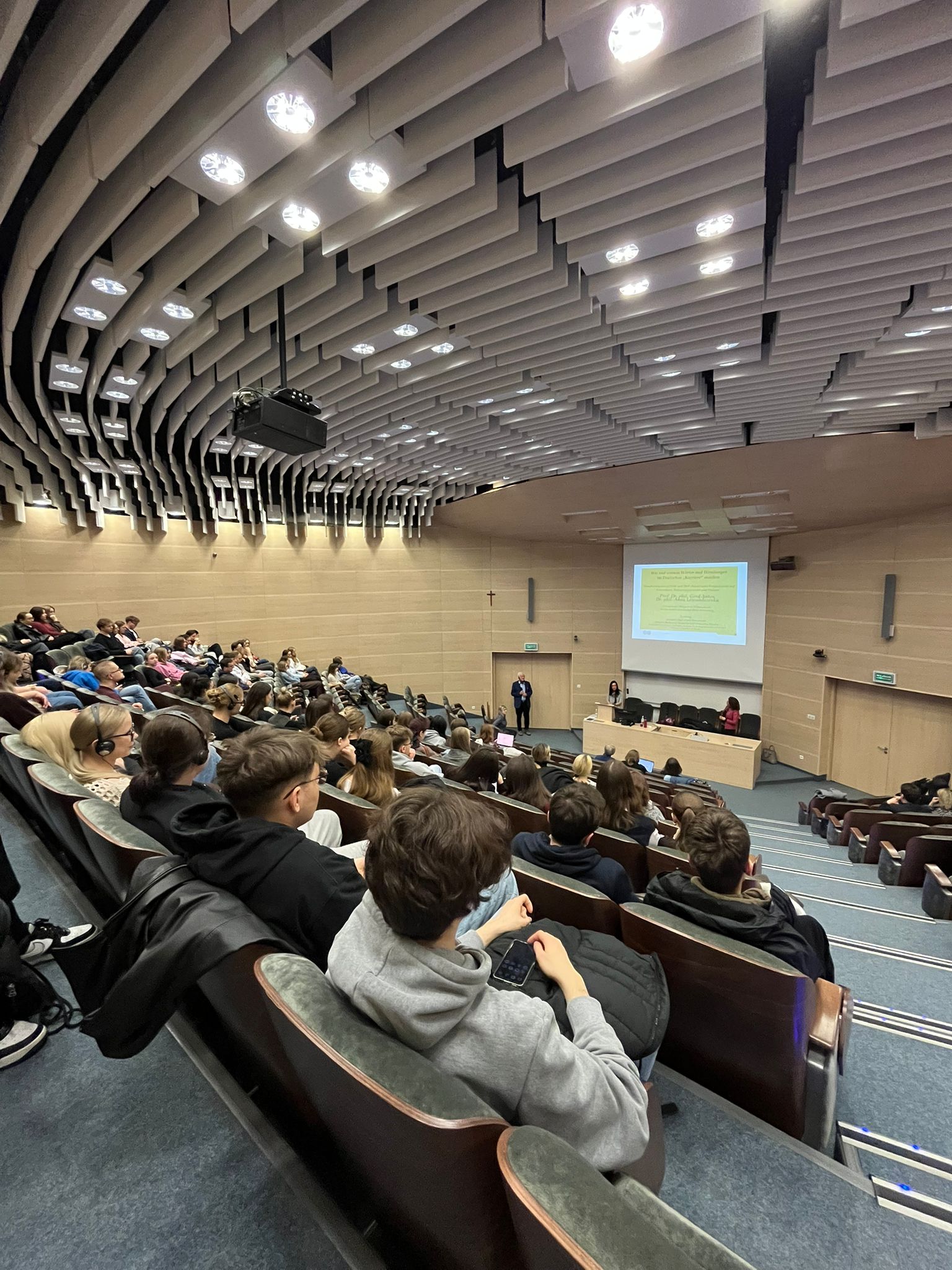
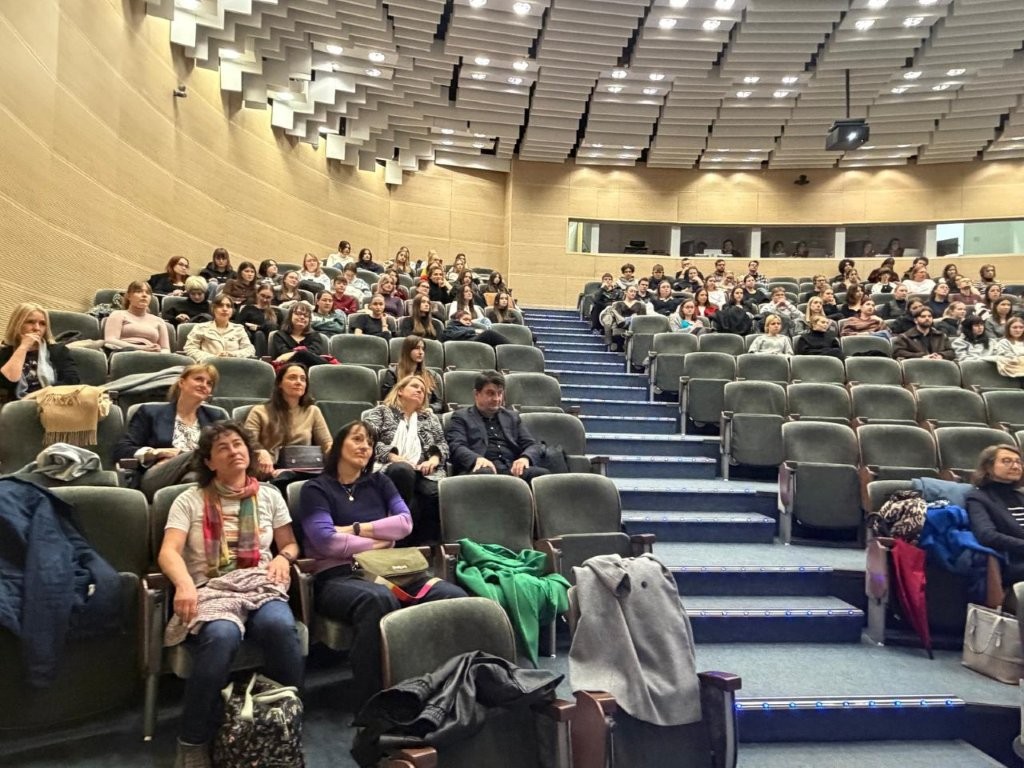
The third meeting in the academic series Culture and Media in Perspectives, organised by the Department of Media Linguistics and the Department of the Theory of Language Communication and Cultural Studies at the Institute of Applied Linguistics, University of Rzeszów, took place on 31 March 2026.
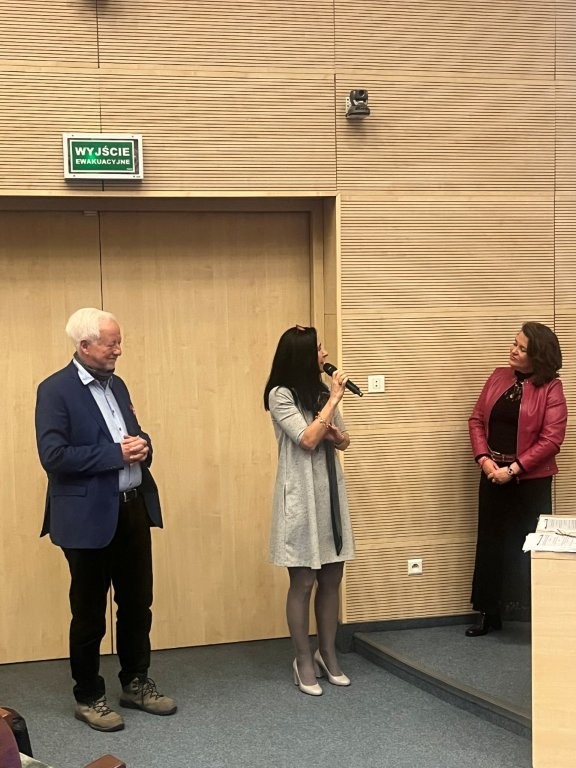
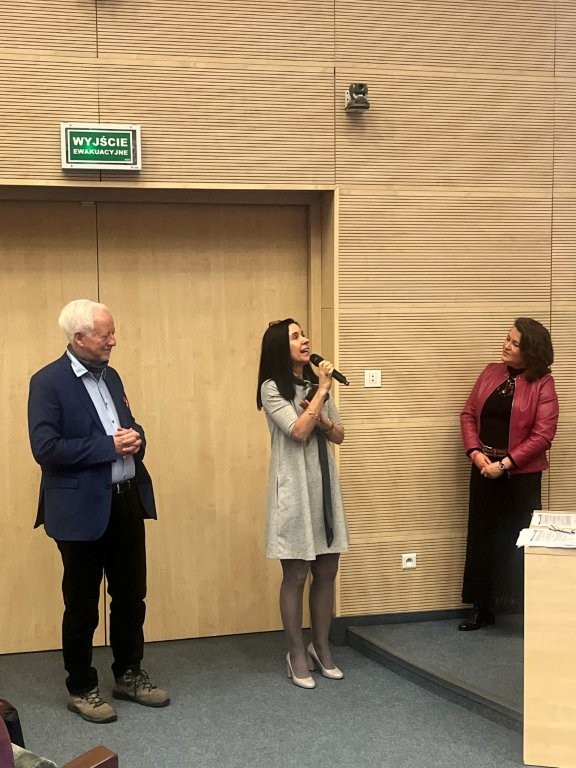
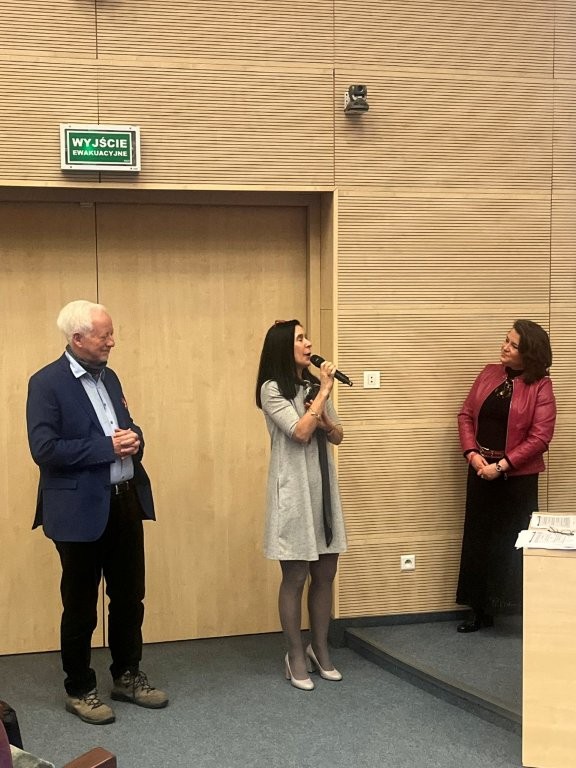
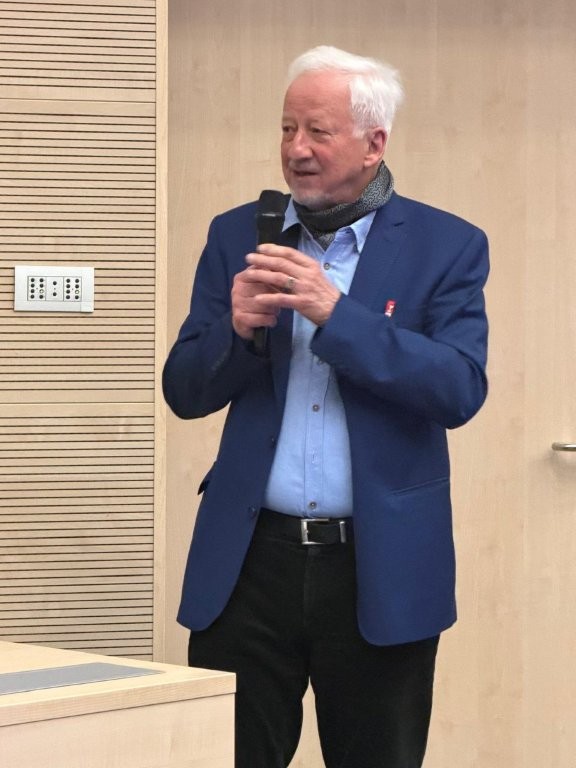
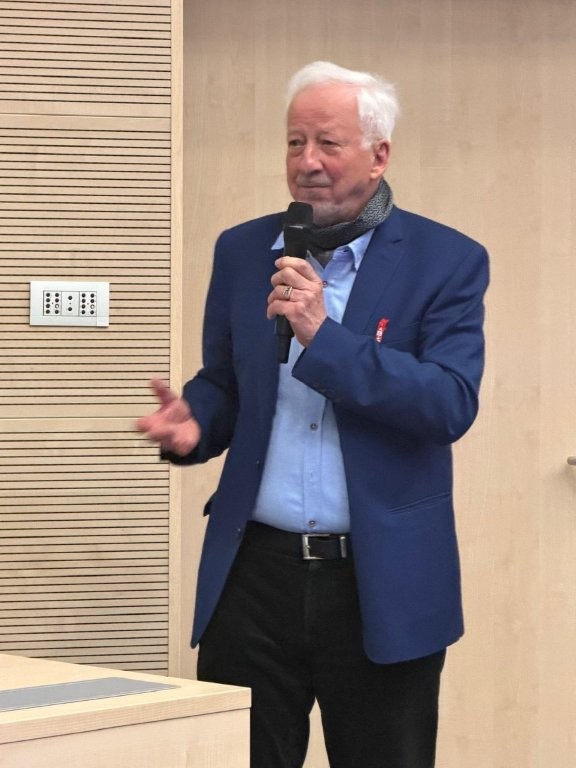
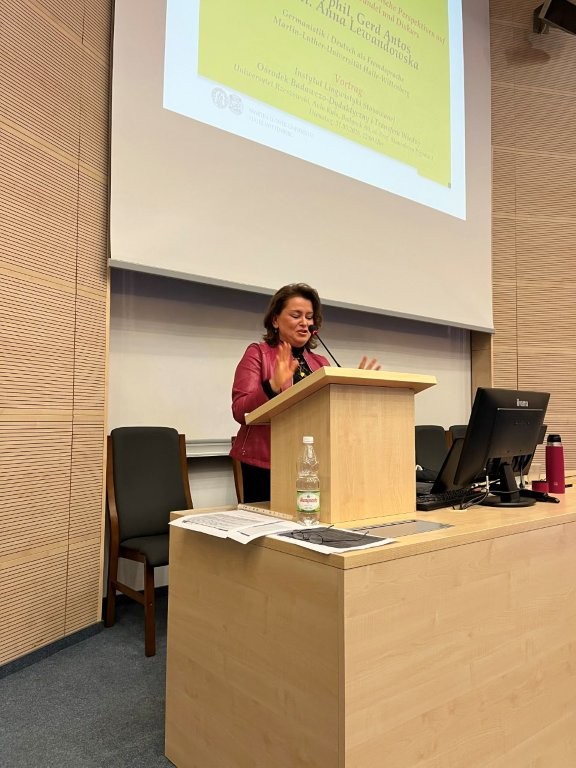
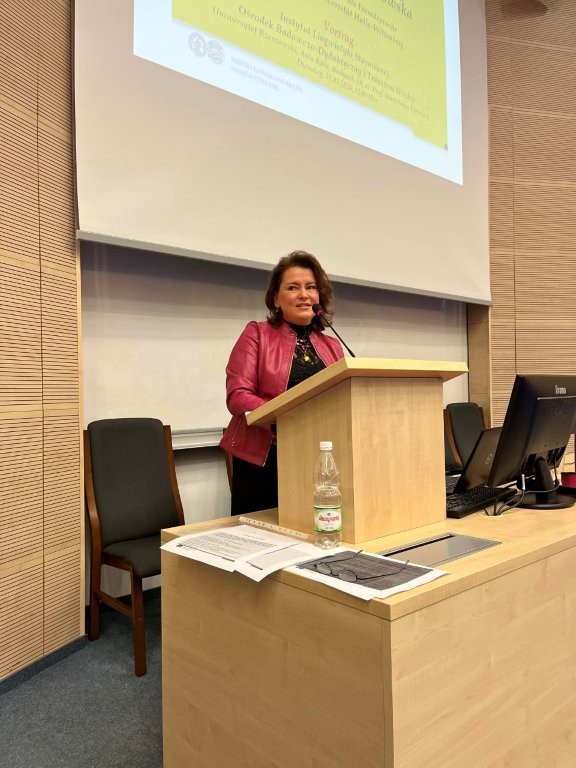
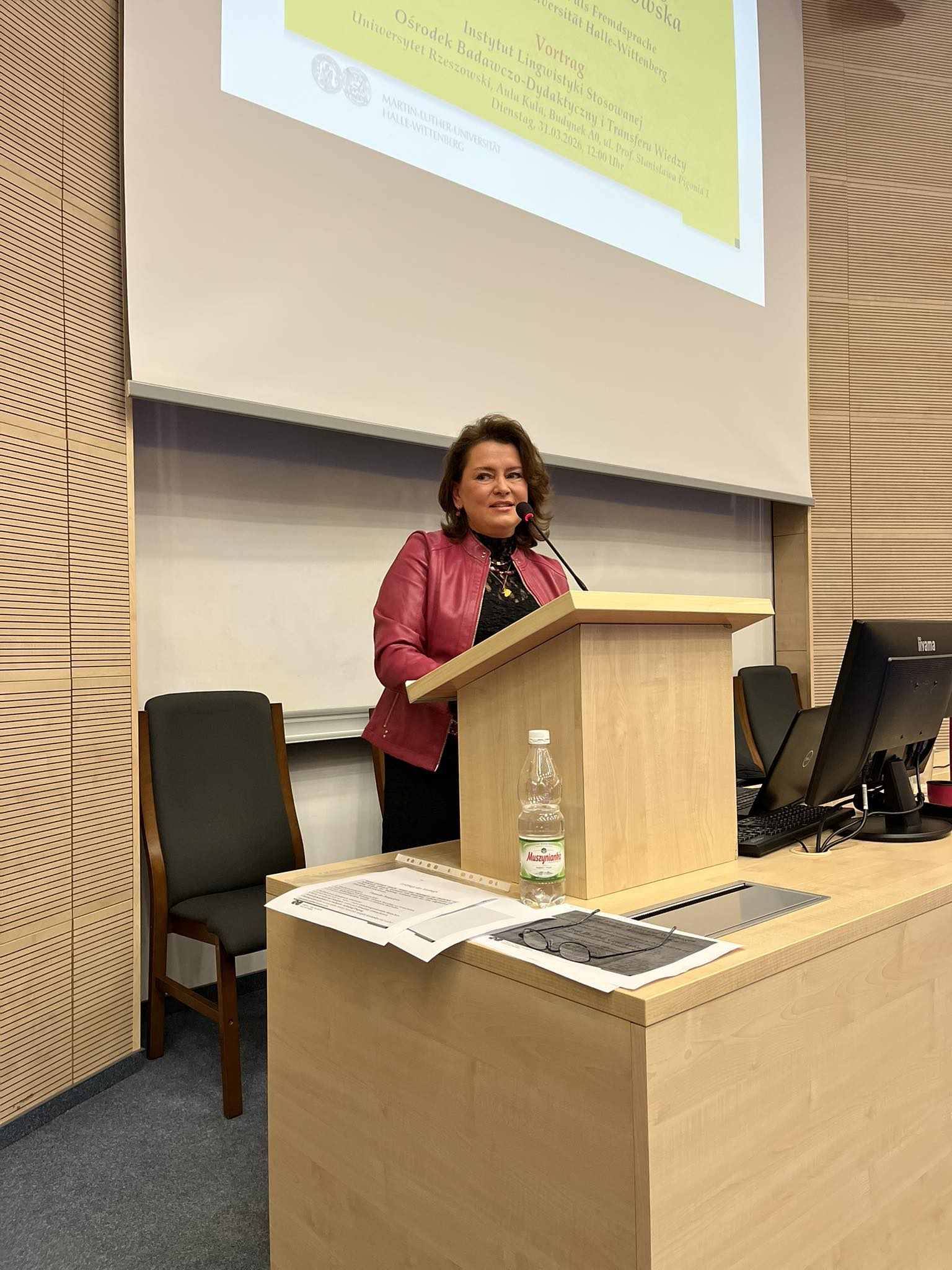
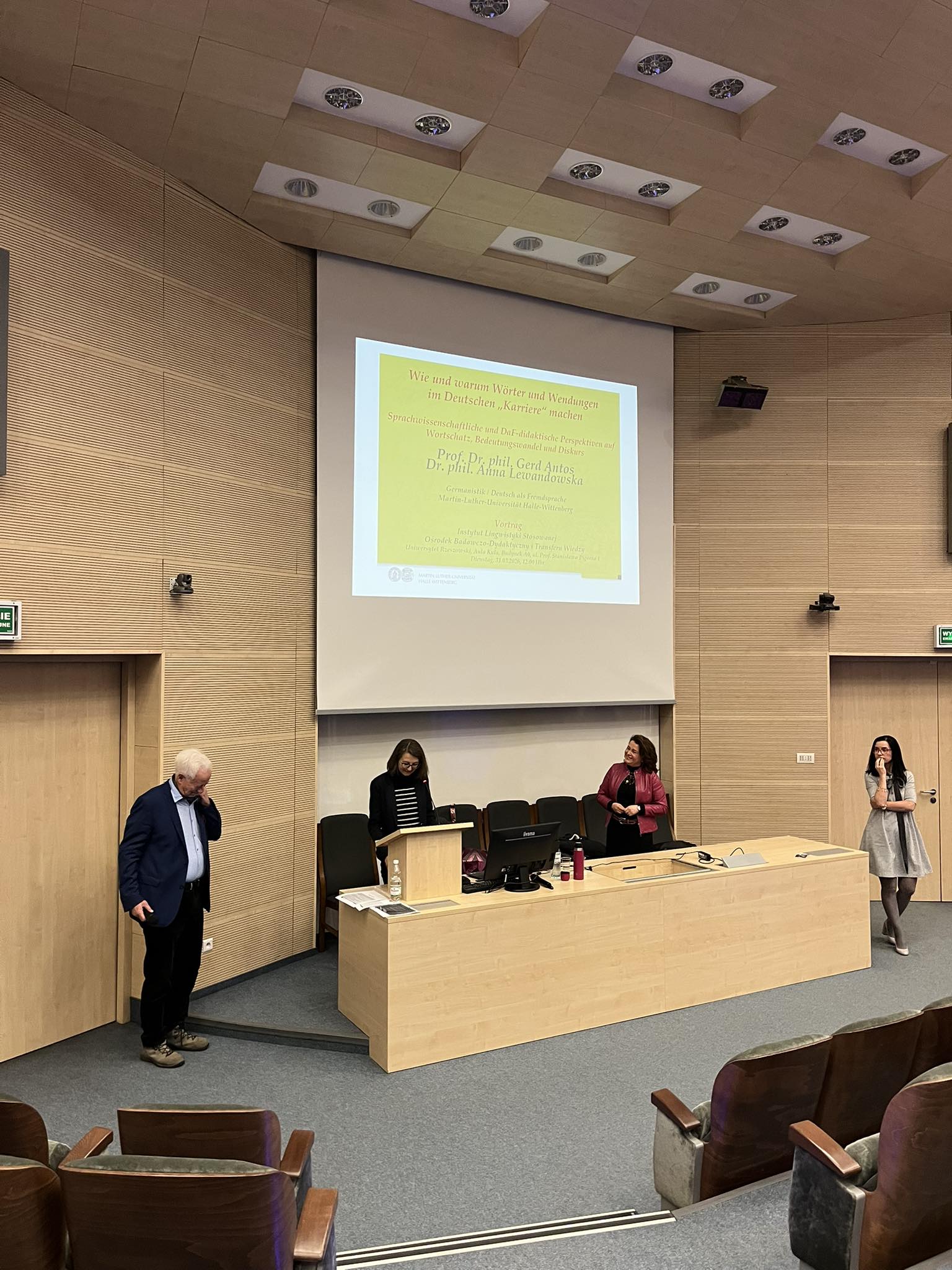
The guests of the event were Dr Anna Lewandowska and Prof. Dr. habil. Gerd Antos from Martin Luther University Halle-Wittenberg. They delivered a lecture entitled:
Wie und warum Wörter und Wendungen im Deutschen „Karriere“ machen. Sprachwissenschaftliche und DaF-didaktische Perspektiven auf Wortschatz, Bedeutungswandel und Diskurs (How and Why Words and Expressions “Make a Career” in German: Linguistic and German-as-a-Foreign-Language Perspectives on Vocabulary, Semantic Change and Discourse)
The lecture focused on how words and expressions in contemporary German gain prominence, frequency and new meanings, while others gradually lose their relevance. Combining linguistic and glottodidactic perspectives, the speakers discussed semantic change, shifts in connotation, and the dynamics of public discourse, as well as the implications of these processes for teaching German as a foreign language.
Particular attention was devoted to the German “Words of the Year 2025”, including terms such as KI-Ära (“AI era”), Deal, Sondervermögen, Drohnisierung (“dronisation”), klimamüde (“climate-fatigued”), and Vertiktokung (“TikTokisation”). These examples demonstrated how vocabulary responds to technological, political, and cultural change.
The speakers highlighted KI-Ära, selected by the Society for the German Language as the German Word of the Year 2025. They argued that the term reflects not only the growing presence of artificial intelligence in everyday communication, but also broader changes in the ways texts are produced and in how people participate in public discourse.
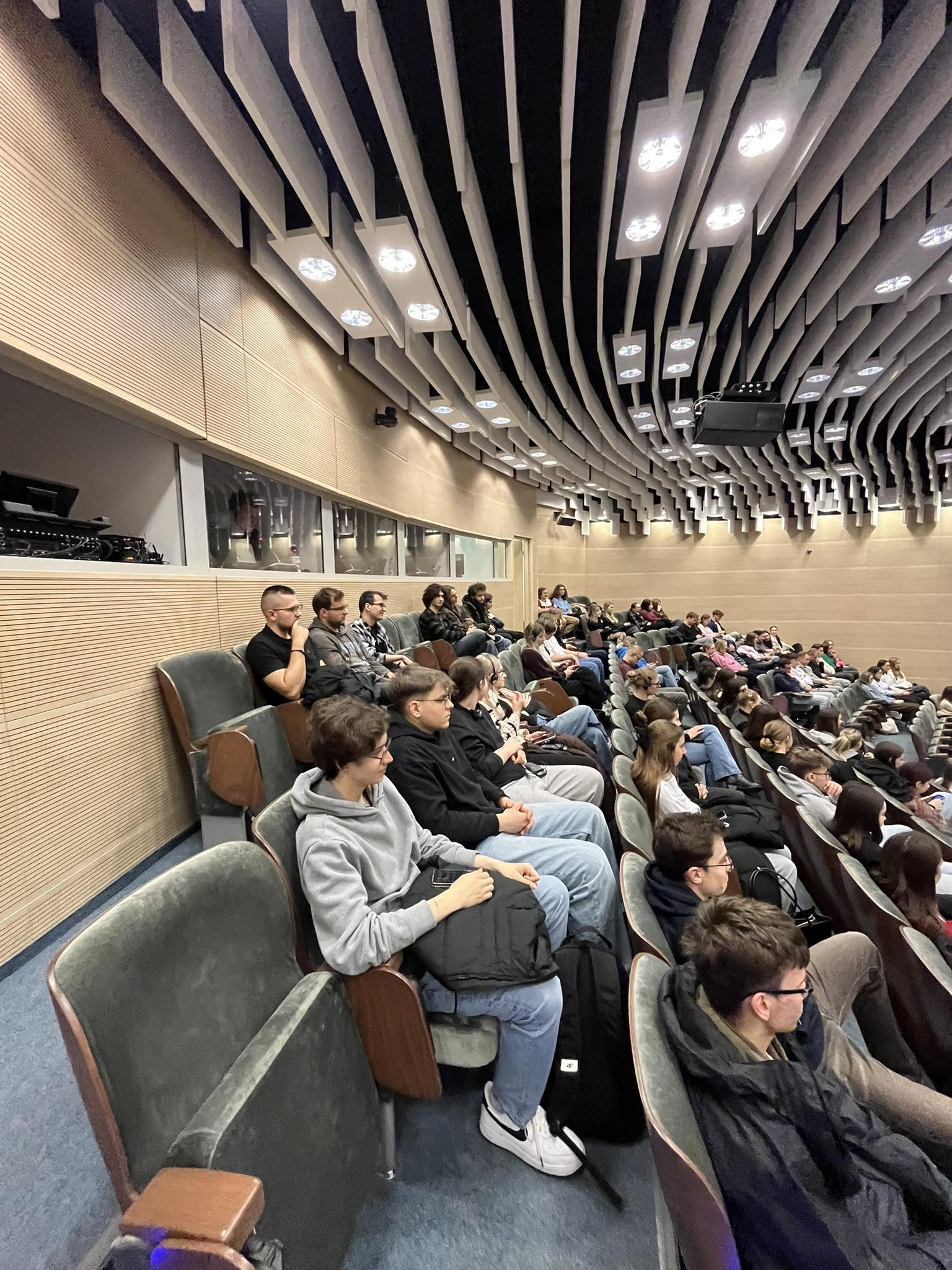
The lecture showed that tracing the “career” of words provides insight not only into language change, but also into social values, cultural transformations, and the hierarchy of public concerns. The discussion attracted considerable interest and lively participation from the audience, confirming the relevance of the topic for contemporary research on language, media, and communication technologies.