News
“Taming Dragons” at the Faculty of Economics and Finance of the University of Rzeszów
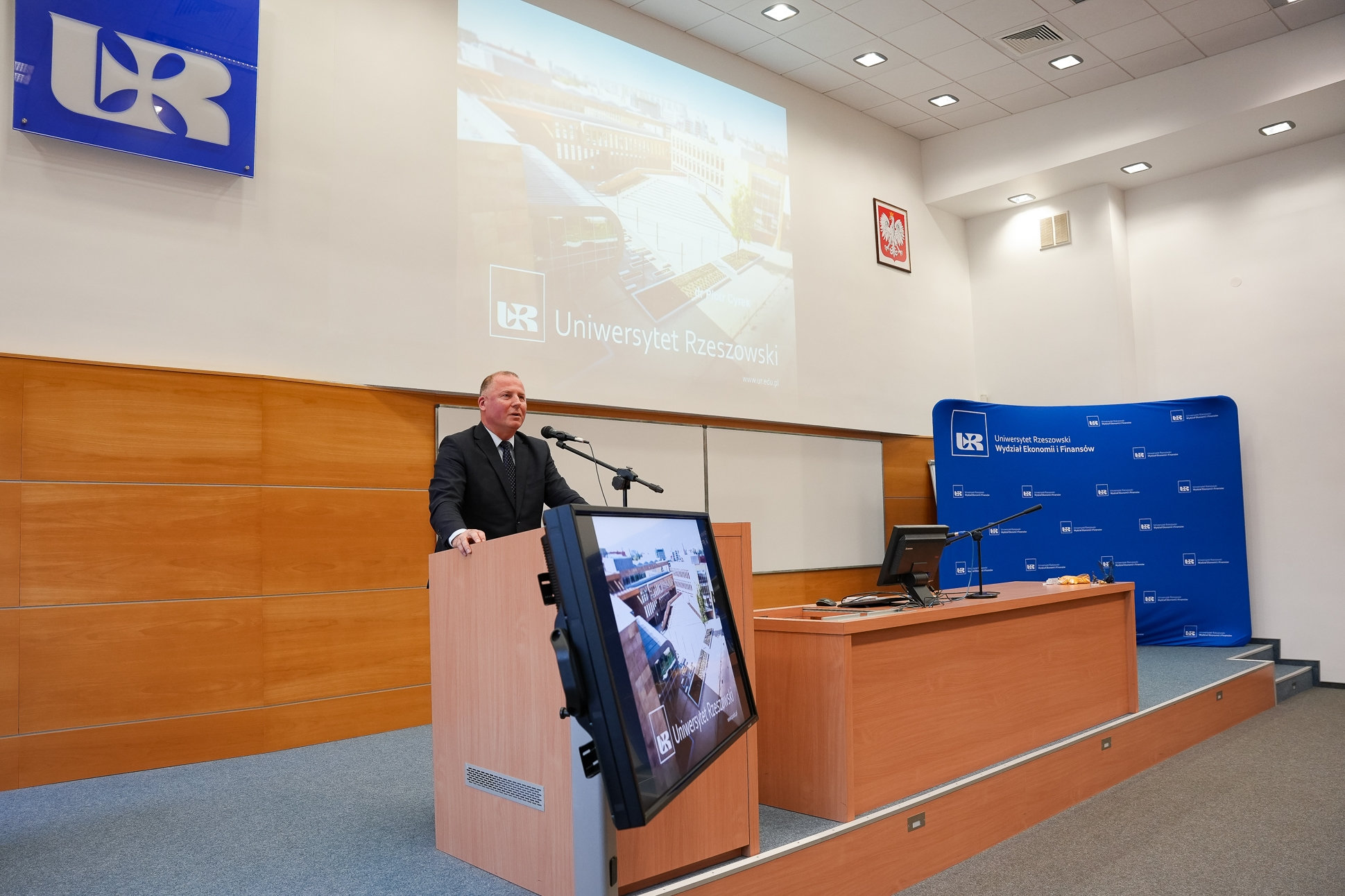
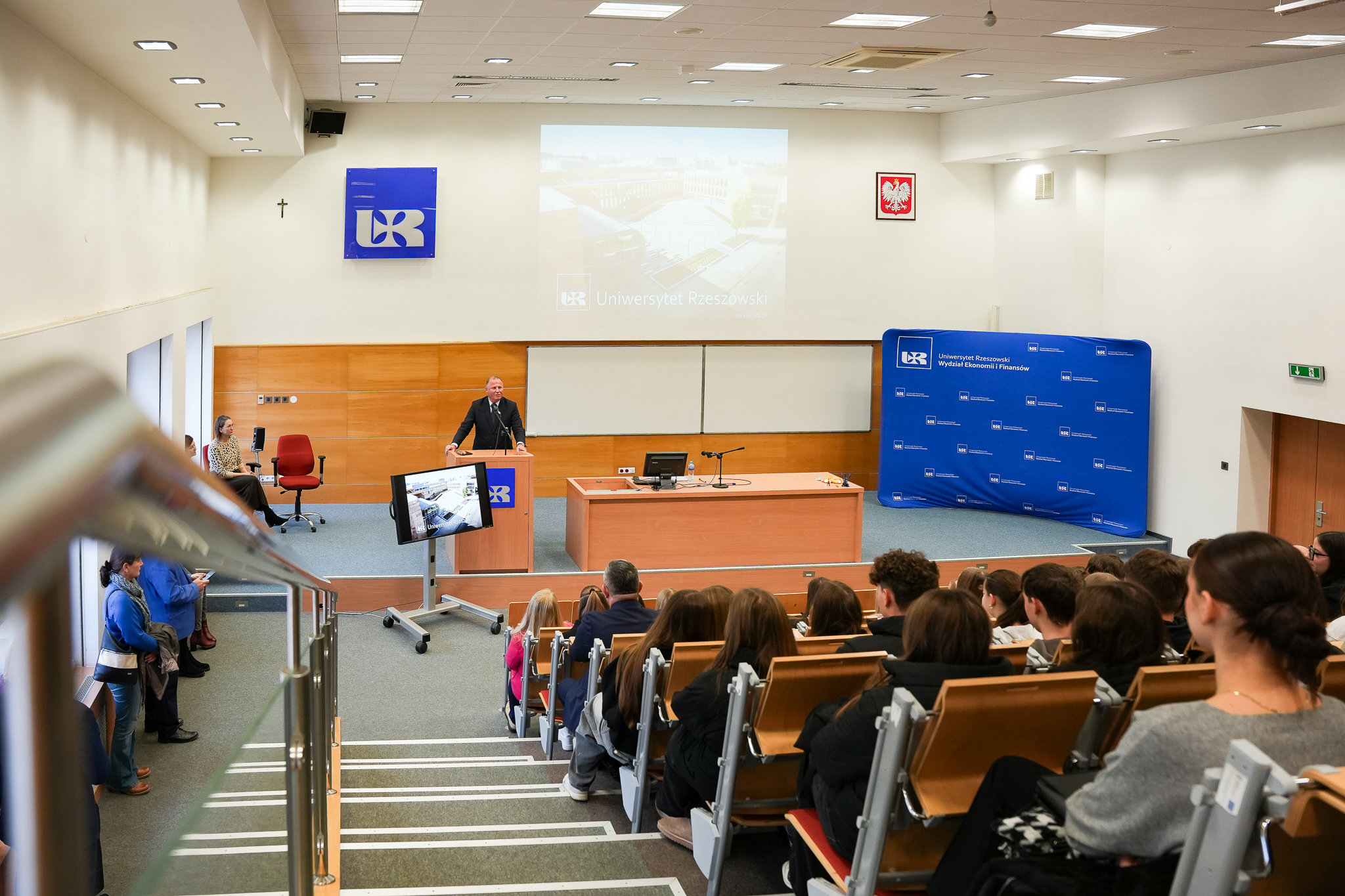
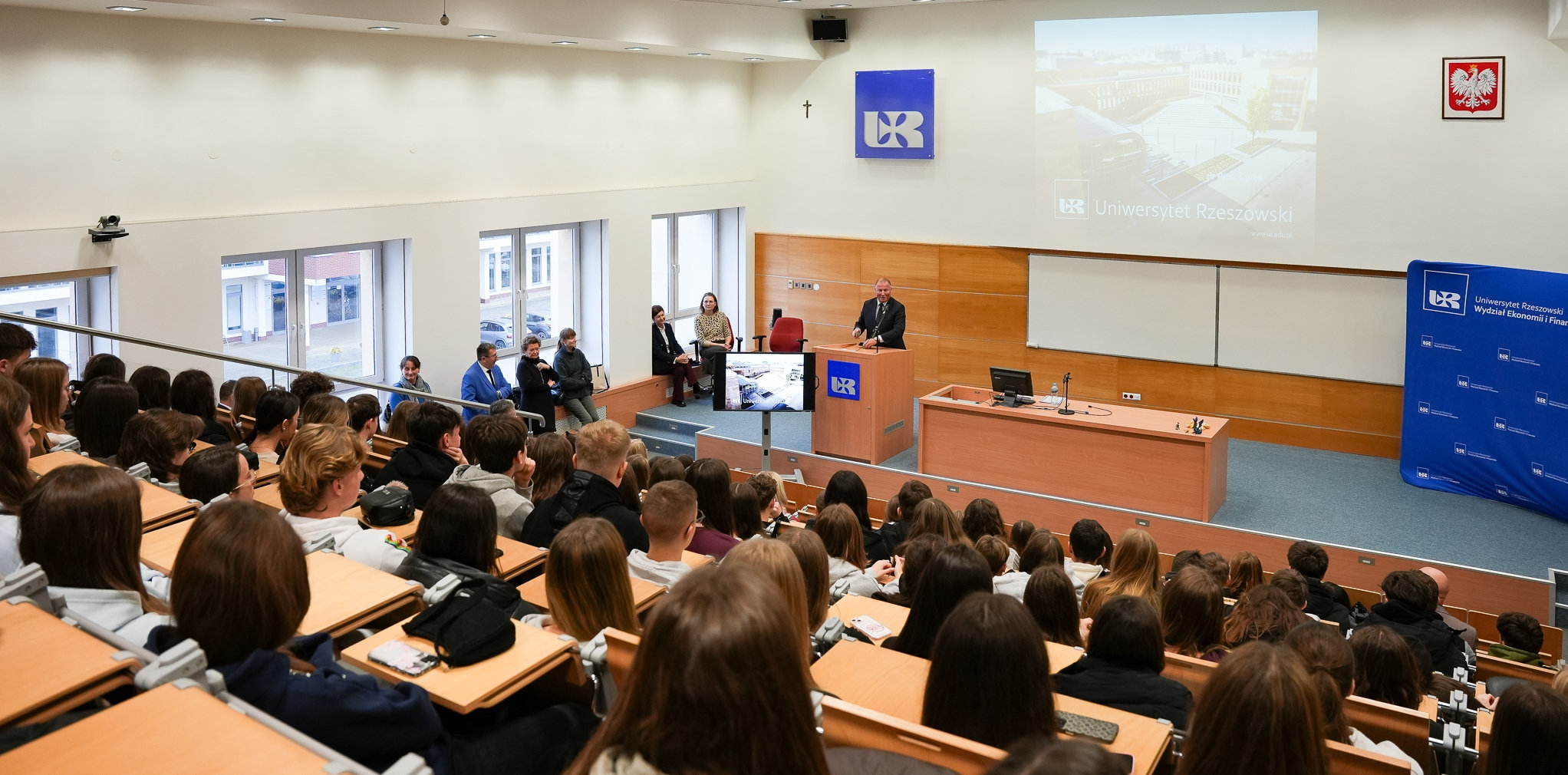
On December 5, 2025, the Faculty of Economics and Finance of the University of Rzeszów held a workshop titled “Dragons Worth Taming – Finance, Risk, Career” for students from partner secondary schools. The participants included students from Zespół Szkół im. ks. dra Jana Zwierza w Ropczycach, Zespół Szkół Ekonomicznych im. Janusza Korczaka w Dębicy and Zespół Szkół Licealnych im. Bolesława Chrobrego w Leżajsku (the School Complex named after Rev. Dr. Jan Zwierz in Ropczyce, the Economic School Complex named after Janusz Korczak in Dębica, and the Secondary School Complex named after Bolesław Chrobry in Leżajsk).
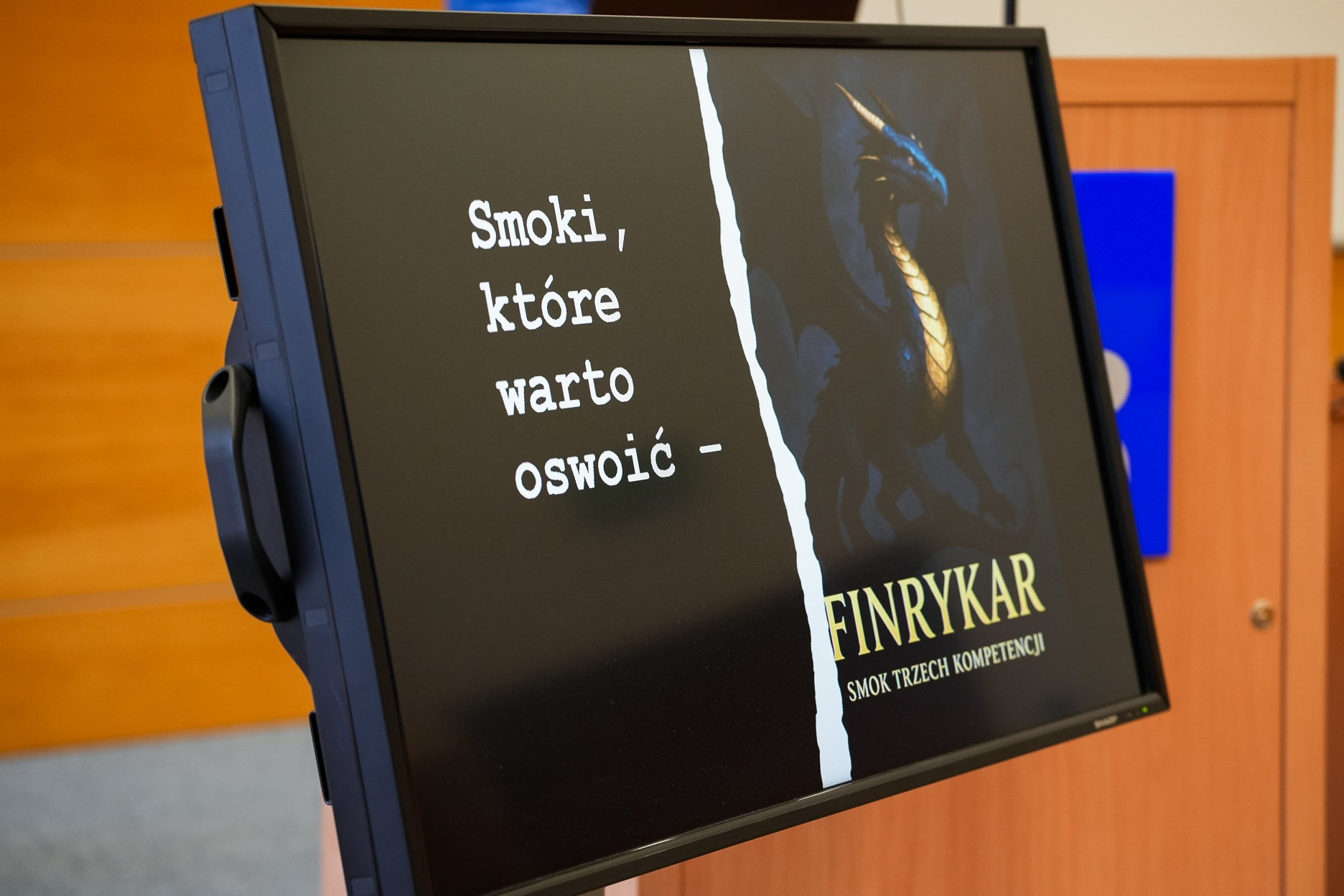
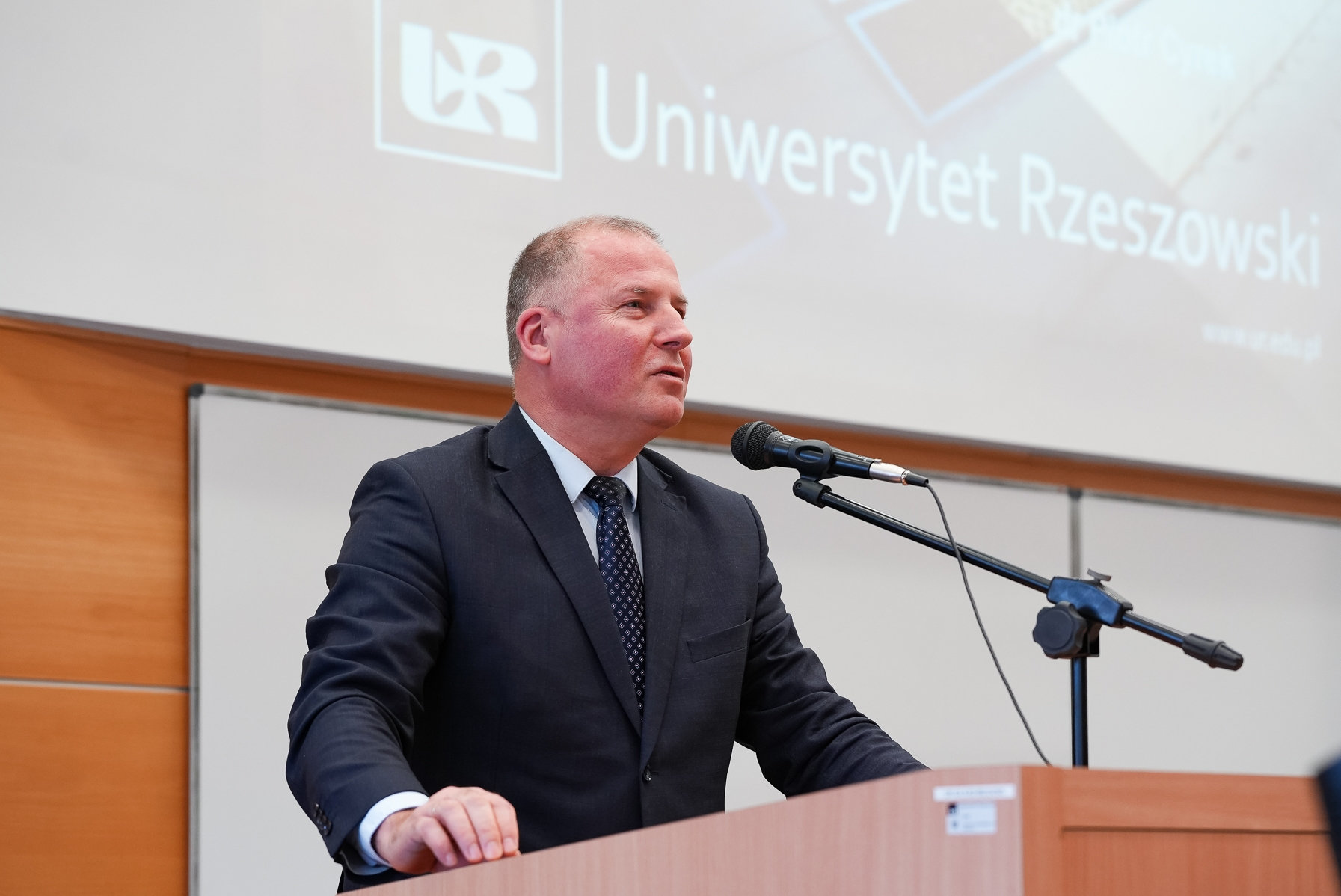
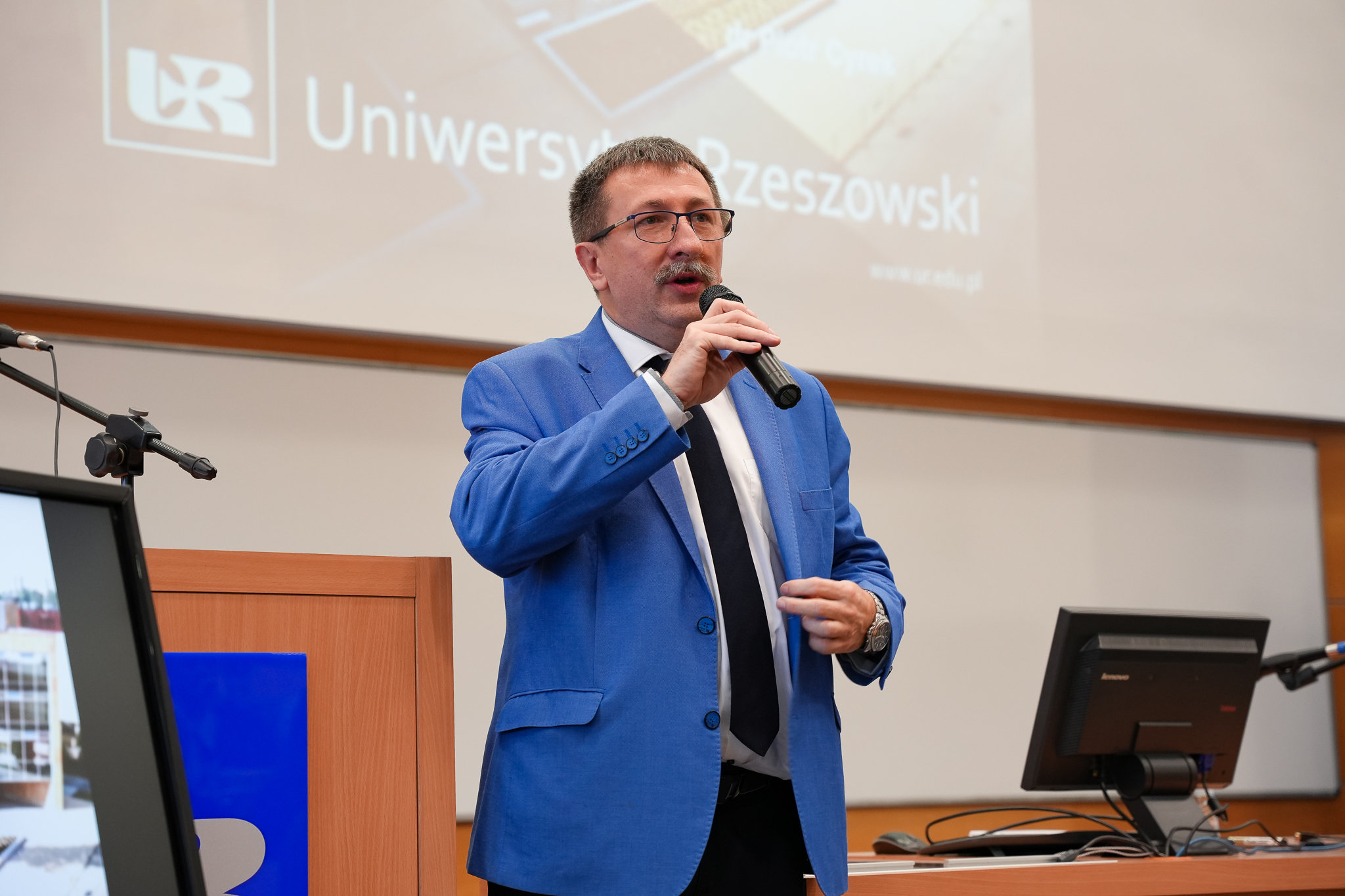
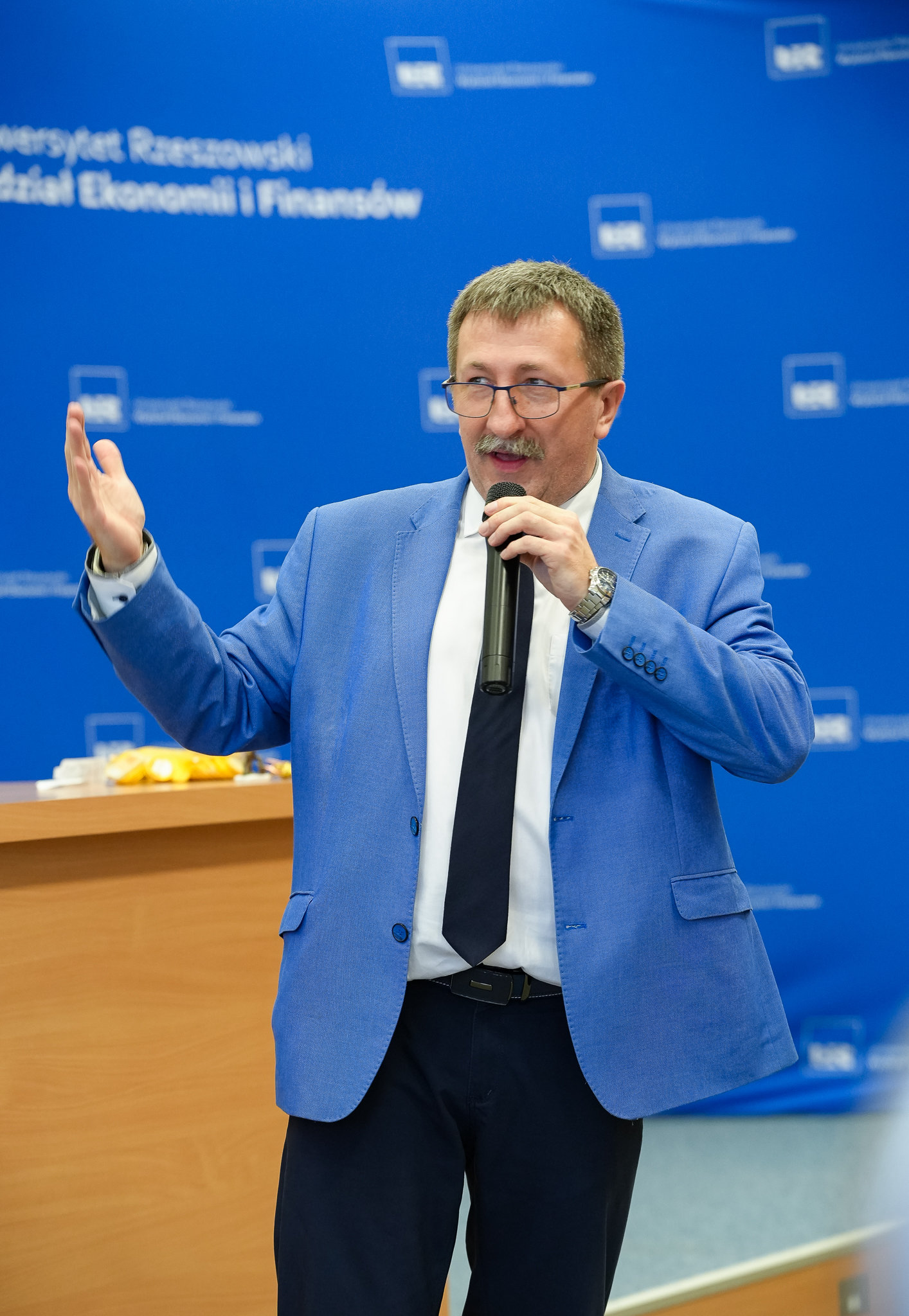
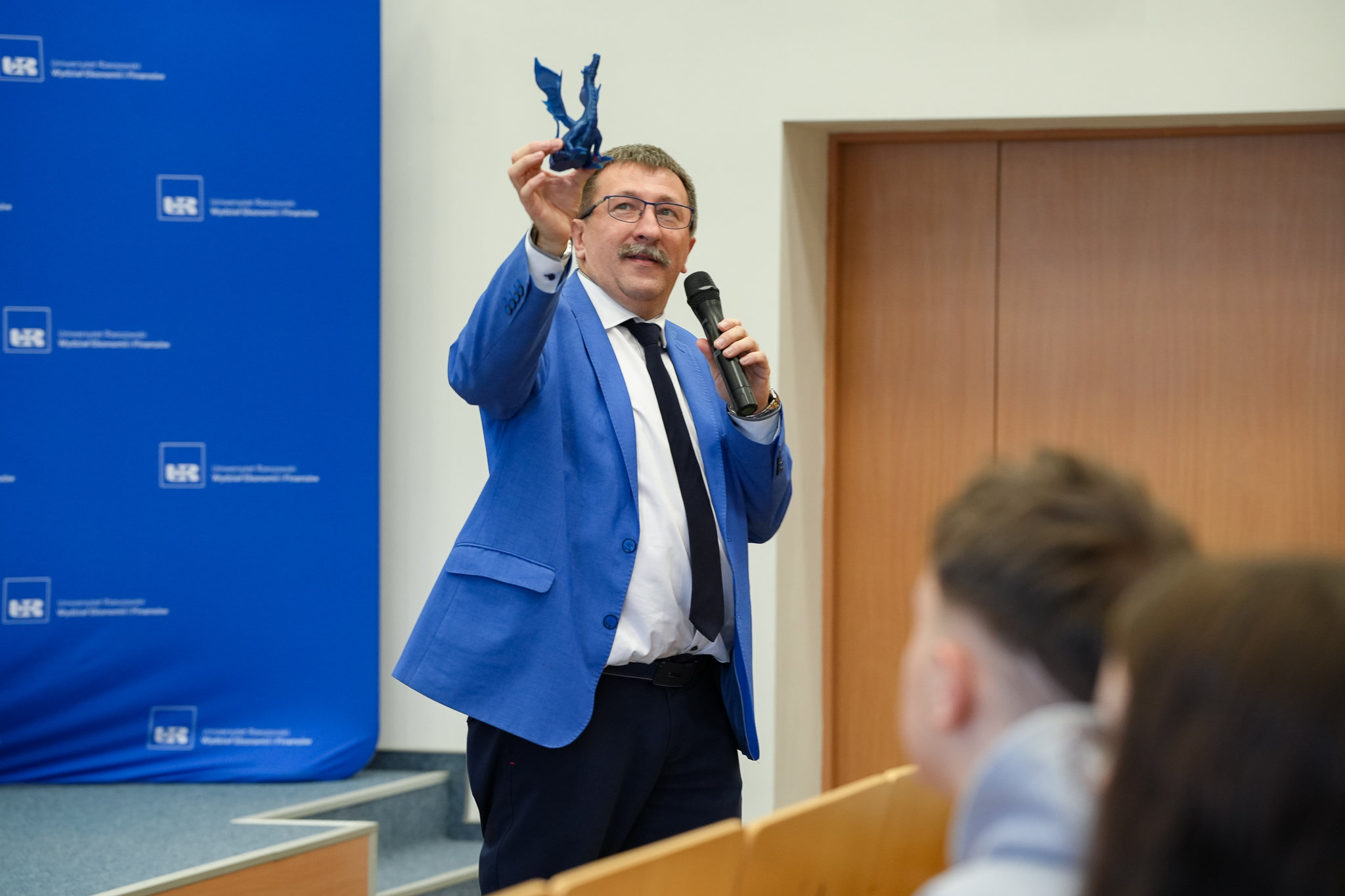
The central theme of the meeting was the legend of the three-competence dragon—FinRiCar—created by Dr. Piotr Cyrek, who coordinated the workshops. The dragon’s name is an acronym for Finance, Risk, and Career, which were the subjects discussed with the young people by academics and students of the Faculty.
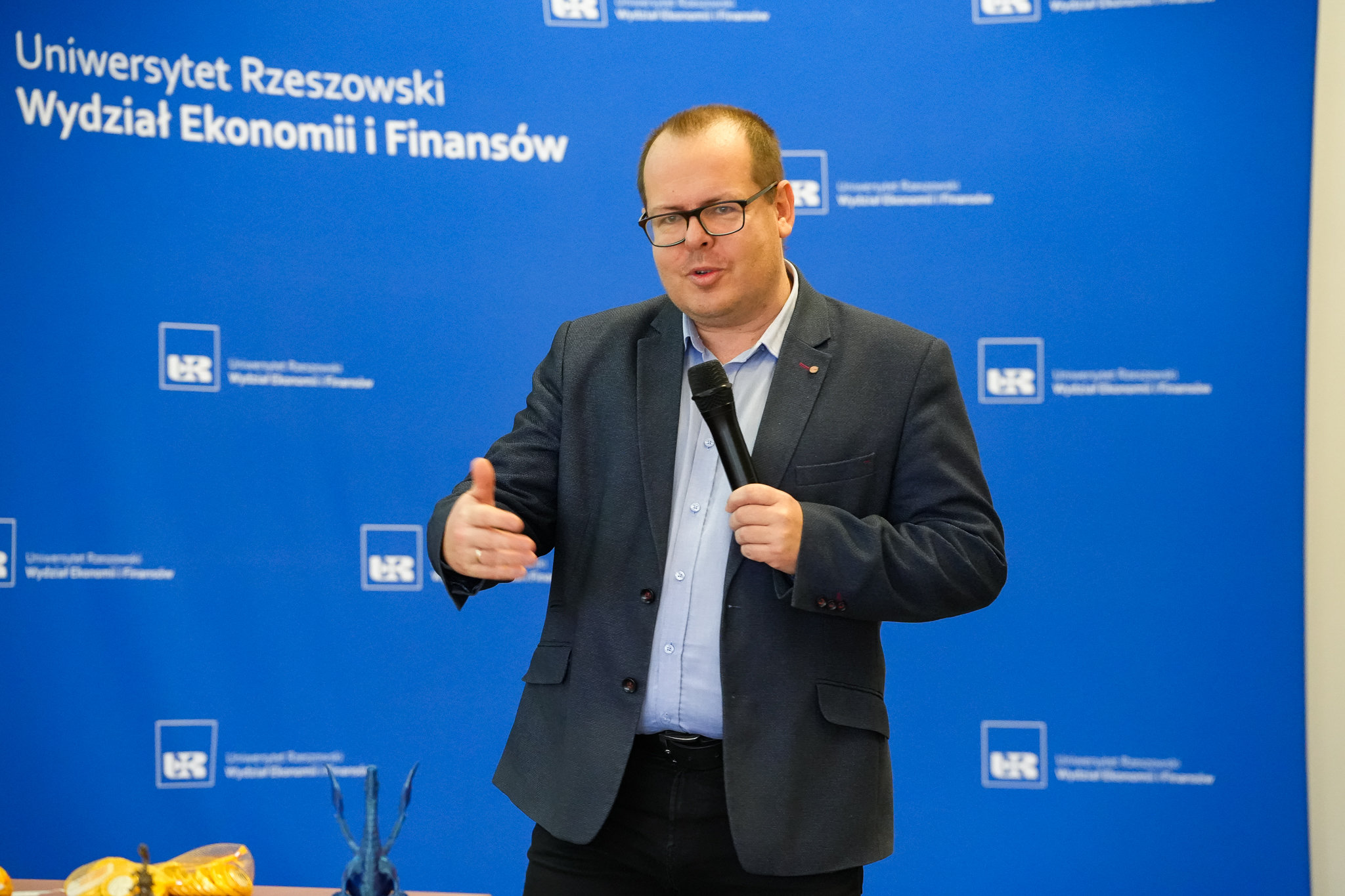
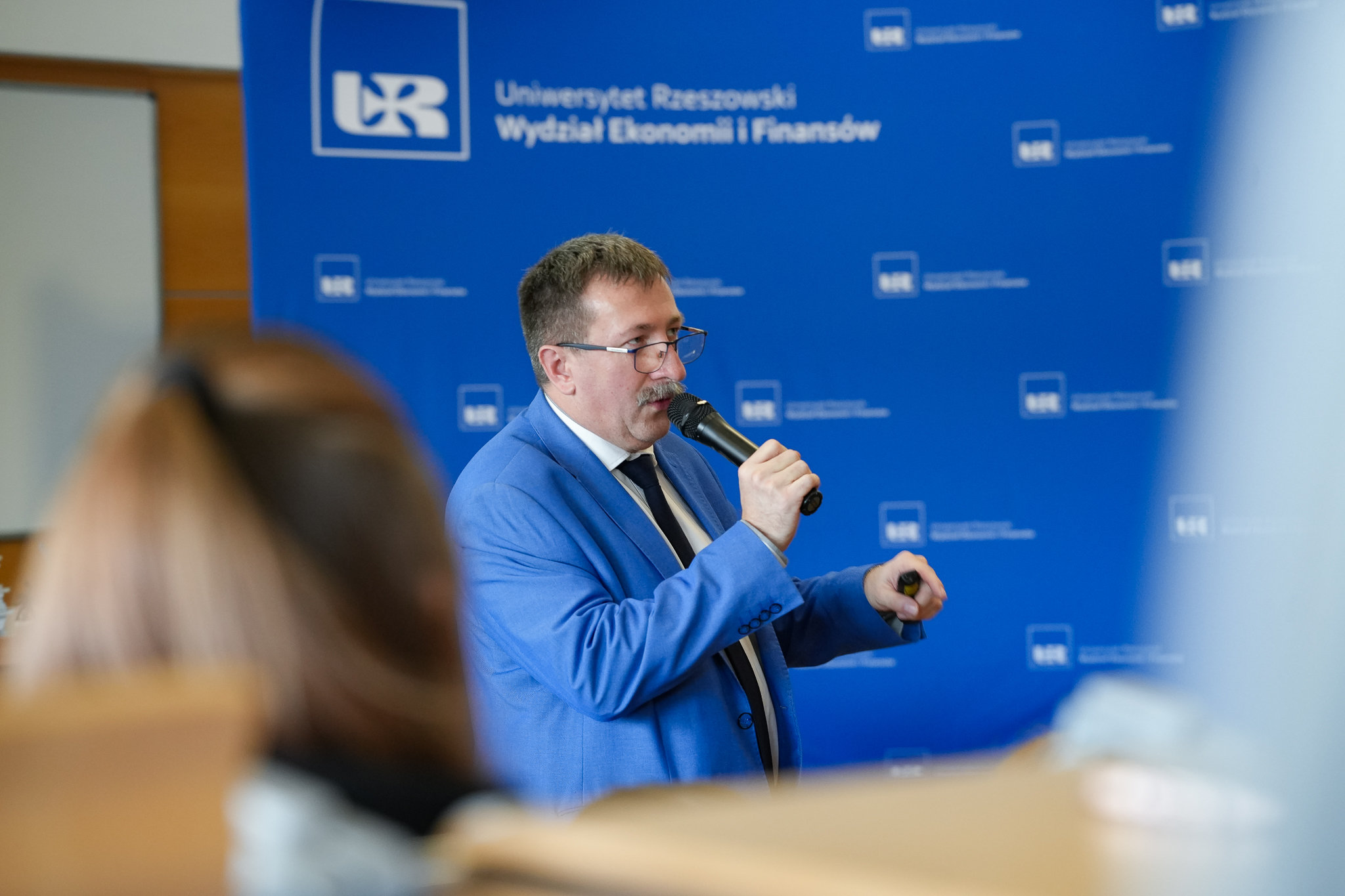
Dr. hab. prof. UR Bogdan Wierzbiński, Dean of the Faculty, welcomed the guests and officially opened the workshops.
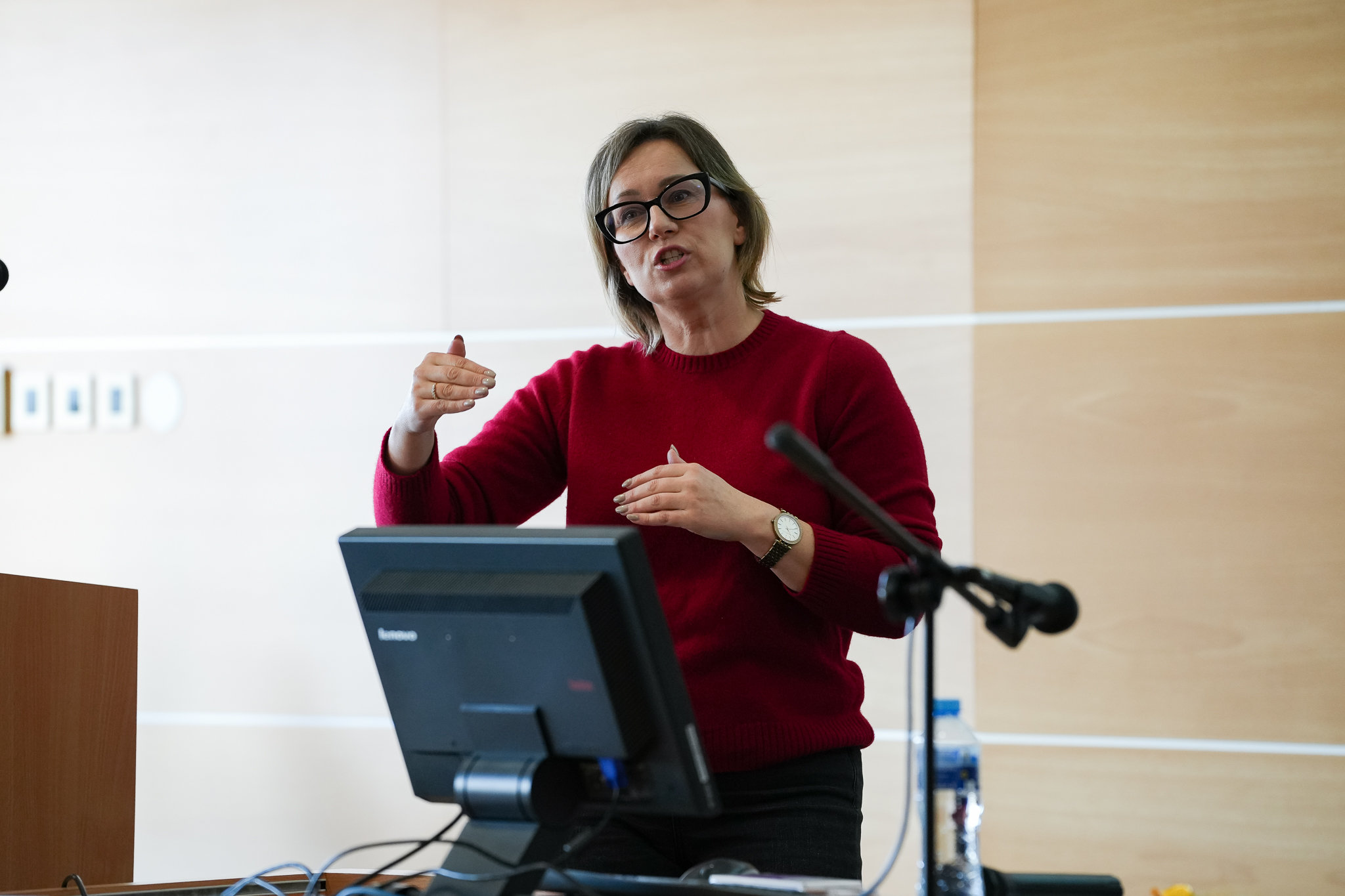
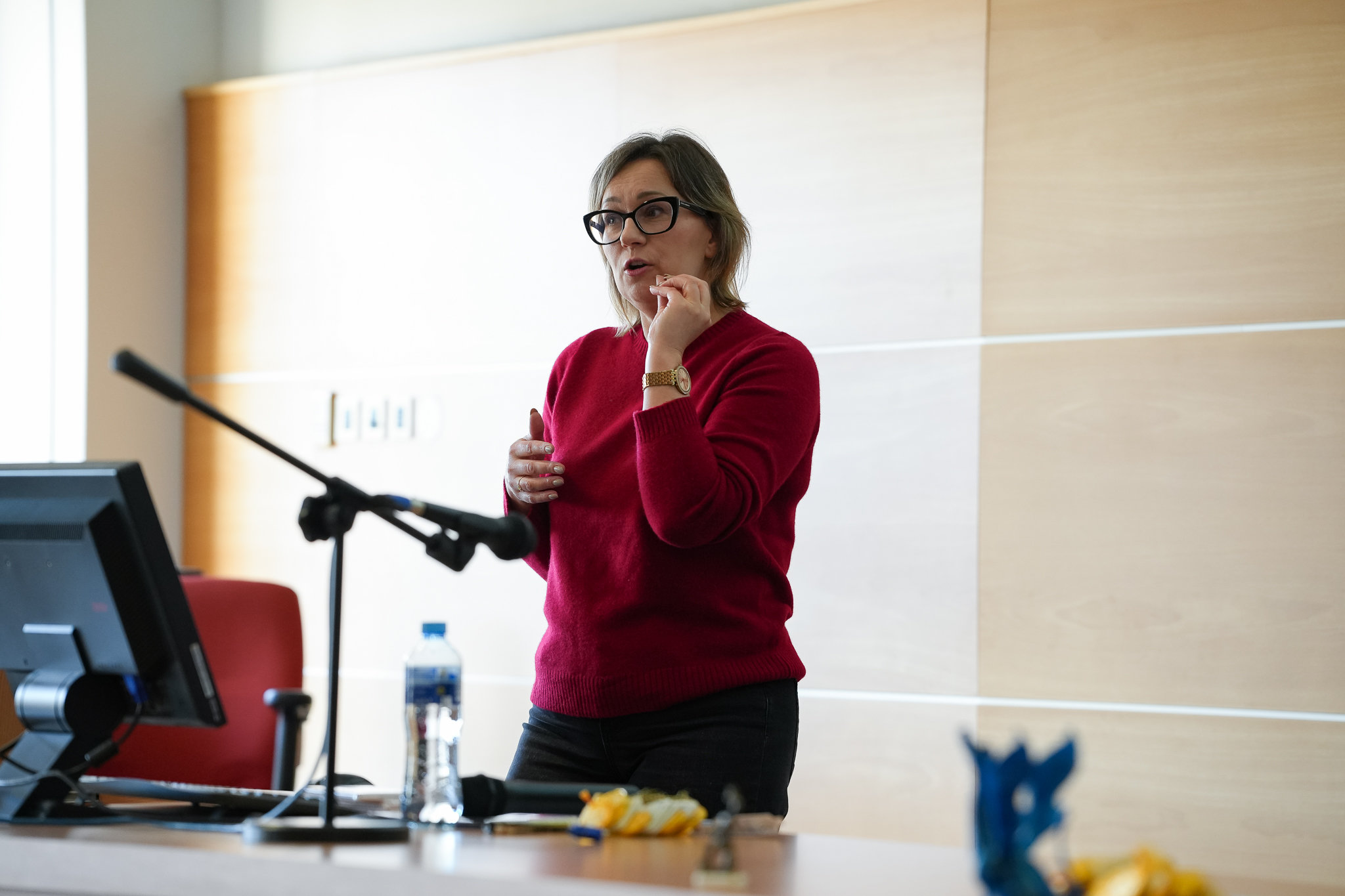
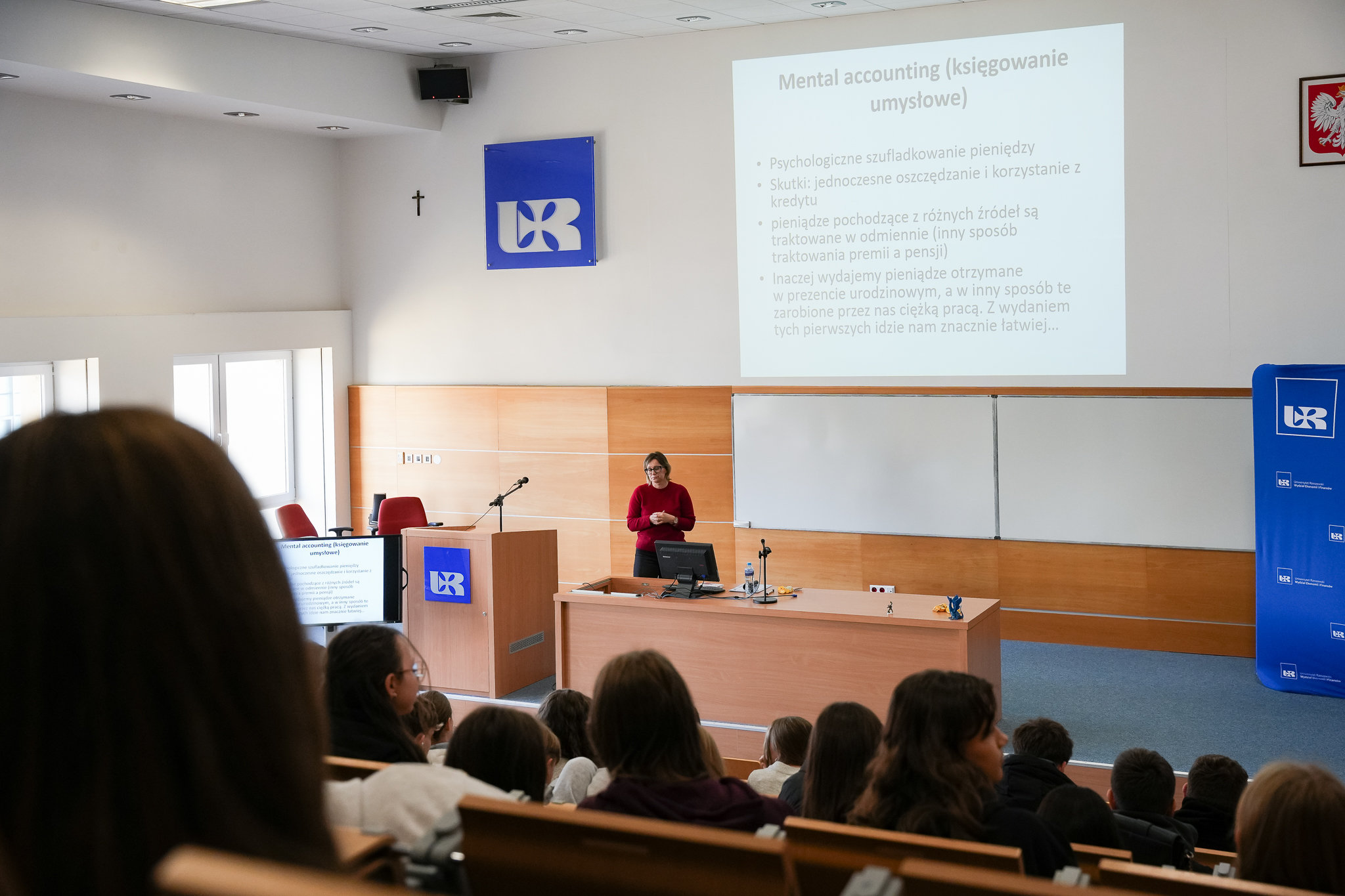
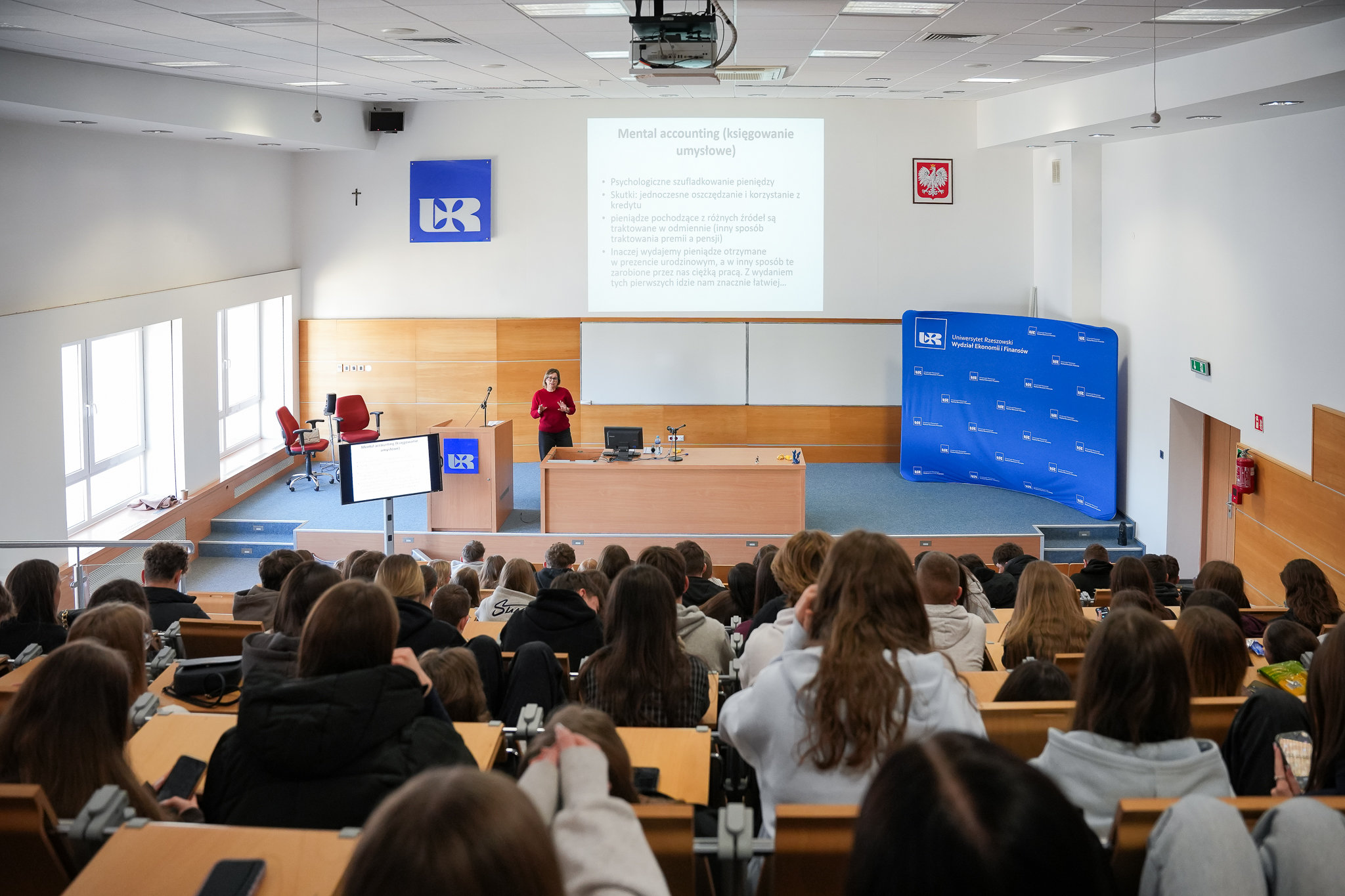
During the session “Behavioral Economics and Personal Finance – Why Don’t We Save Enough?” led by Dr. Patrycja Żegleń, participants were introduced to key concepts of behavioral economics, which holds that psychological factors significantly influence financial decision-making. It was shown that financial decisions—often irrational—do not necessarily stem from a lack of knowledge, but from psychological mechanisms such as procrastination, loss aversion, or short-term thinking. Understanding these mechanisms can help build more stable personal finances and strengthen control over one’s money.
In the lecture “Risk in Business – A Dragon That Can Be Tamed,” delivered by Dr. Sławomir Dybka, the significance of risk in economic activity and its impact on the functioning of enterprises were discussed. It was explained that risk is an inherent part of business and includes the possibility of both adverse and favorable events affecting the achievement of organizational goals. The process of risk identification—recognizing potential threats and situations that may disrupt company operations—was presented, followed by a discussion of risk classification, which organizes identified threats by their source, likelihood, and potential consequences. Attention was also drawn to risk management as a set of actions aimed at reducing negative effects or leveraging emerging opportunities. It was emphasized that the choice of appropriate methods depends on the specific characteristics of the enterprise and the nature of the risk. The lecture concluded with a discussion of the strategic role of risk management in business.
During the workshop “From ‘I Have To’ to ‘I Want To’ – Motivation to Learn as the Key to a Professional Career,” led by Dr. Piotr Cyrek, students explored the importance of intrinsic motivation in personal and professional development. Various types of motivation and factors influencing engagement in the learning process were discussed. The tutor explained how conscious goal setting, discovering personal interests, and systematically developing competencies can lead to future professional success. Participants took part in short exercises and discussions that encouraged them to make some reflections on their habits, ways of dealing with a lack of motivation, and methods of creating a positive approach to development. Special emphasis was placed on shifting from an “I have to” mindset to an “I want to” approach, which fosters independence and long-term motivation.
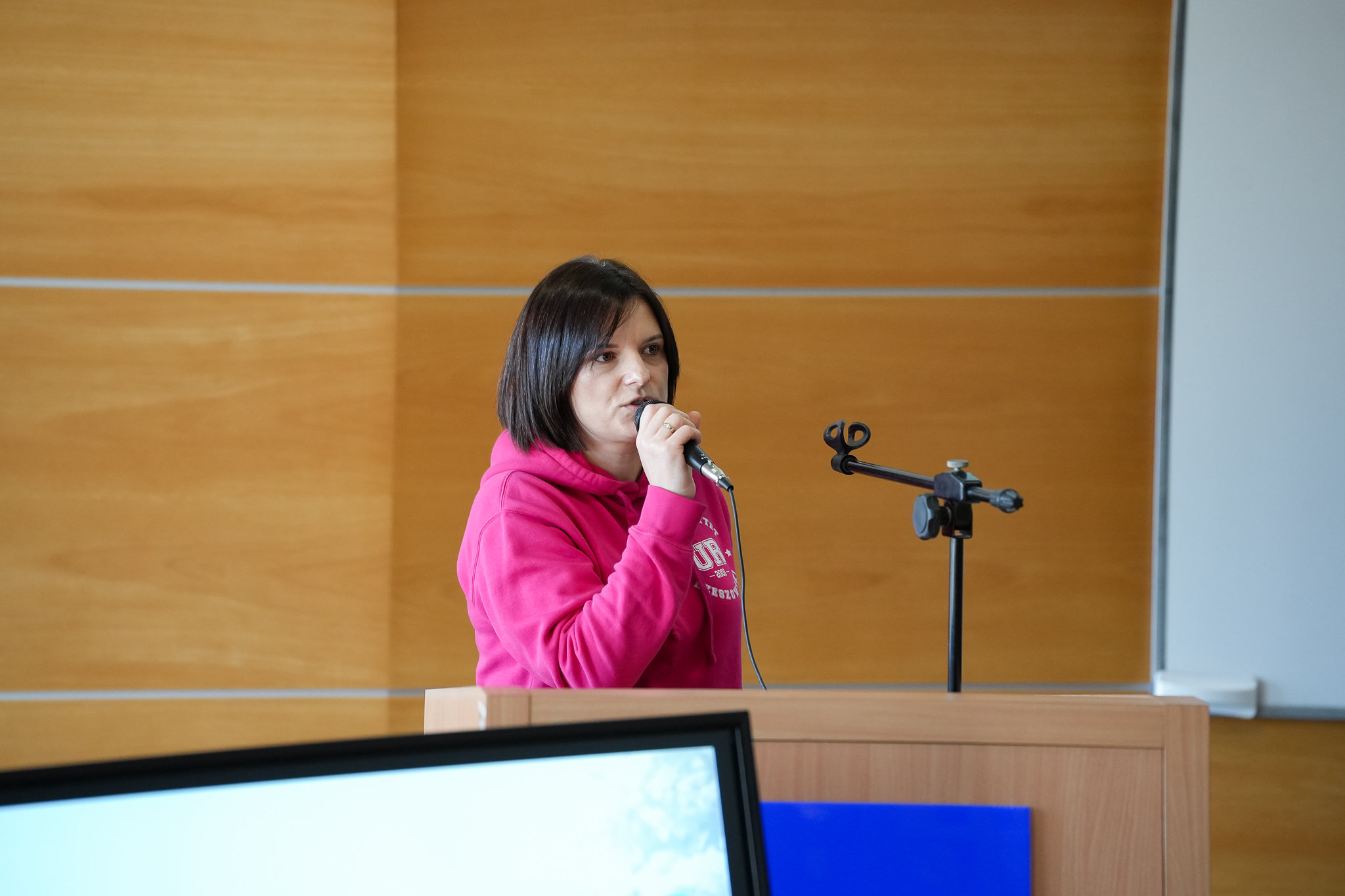
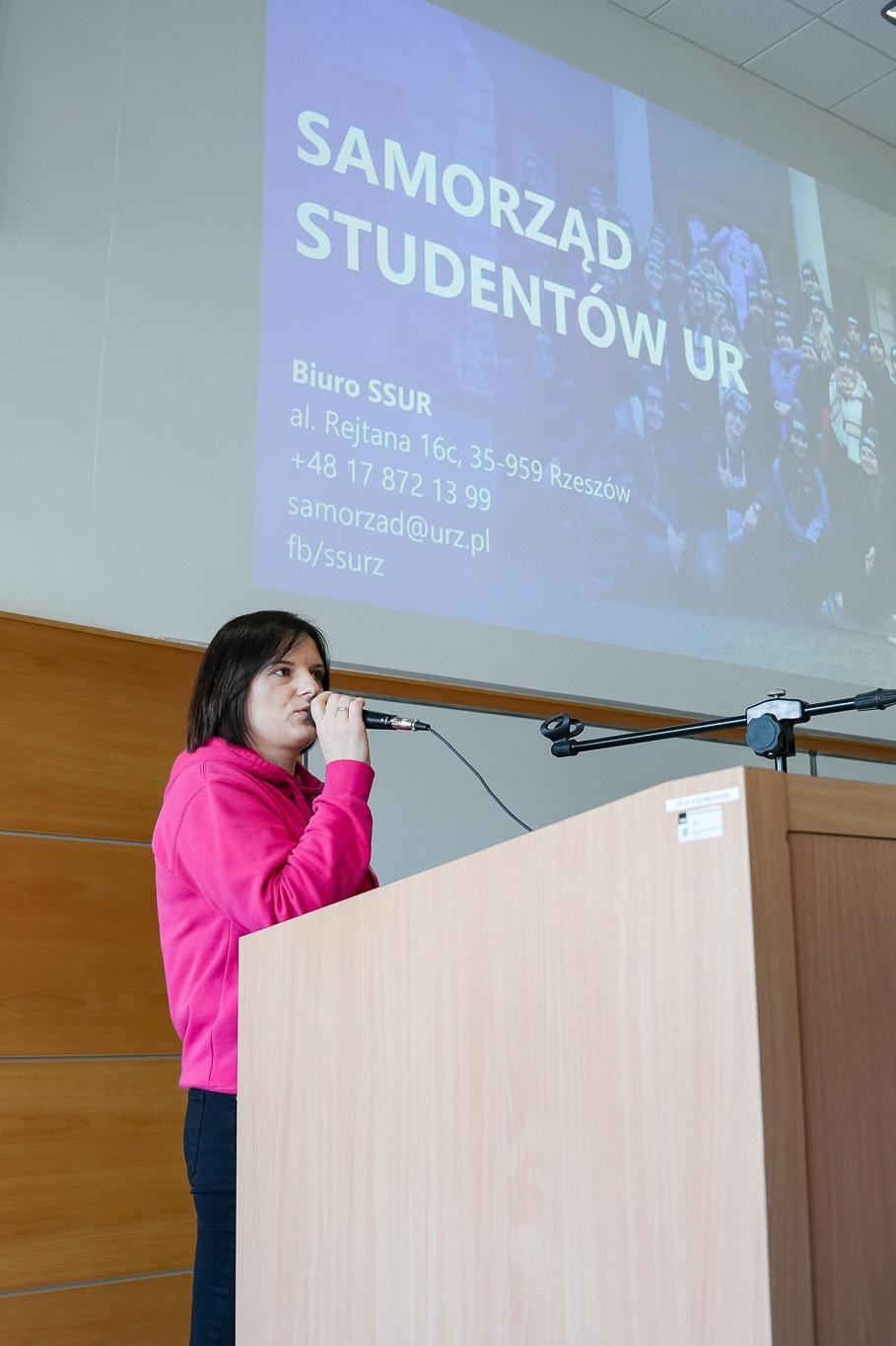
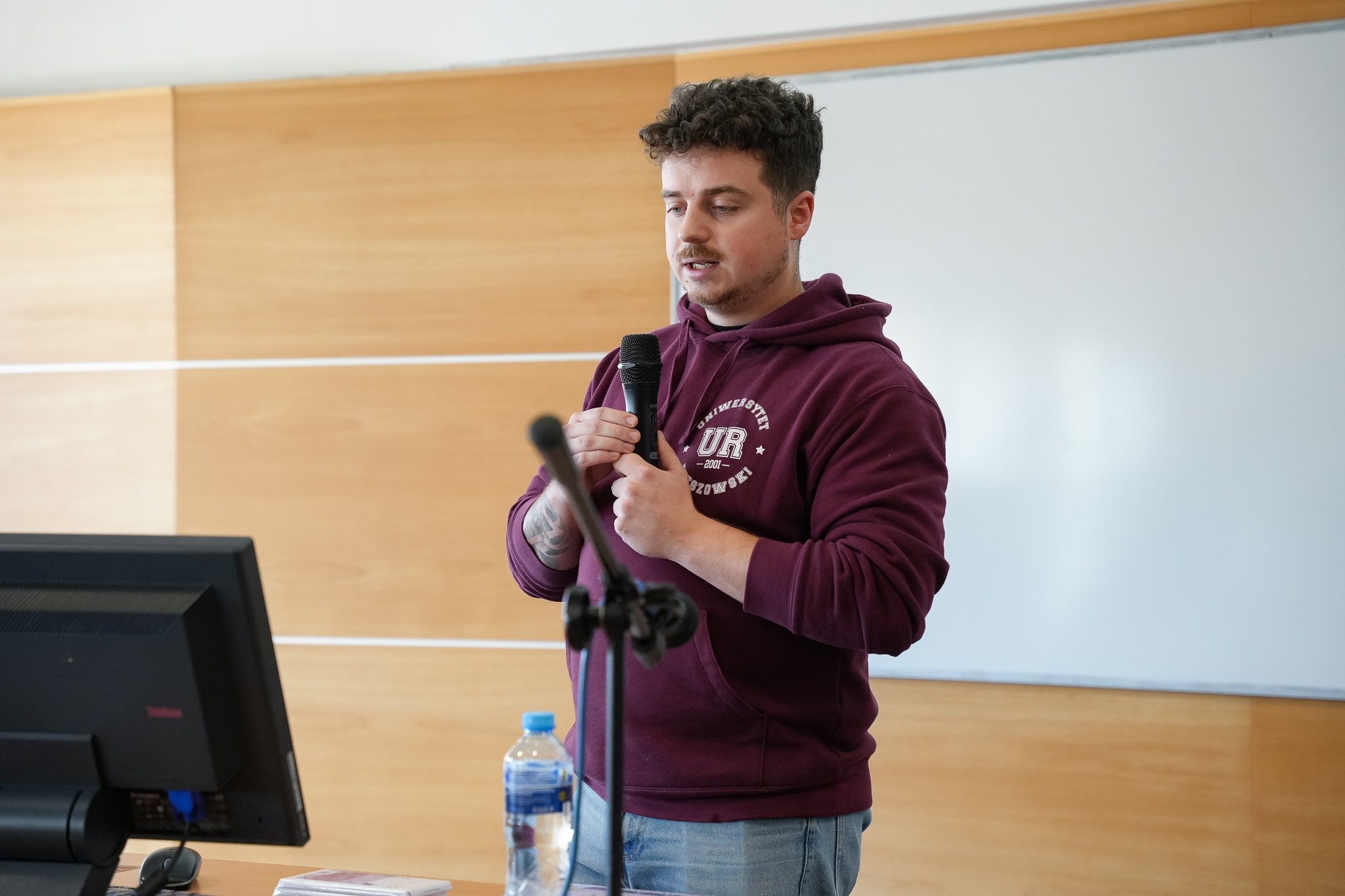
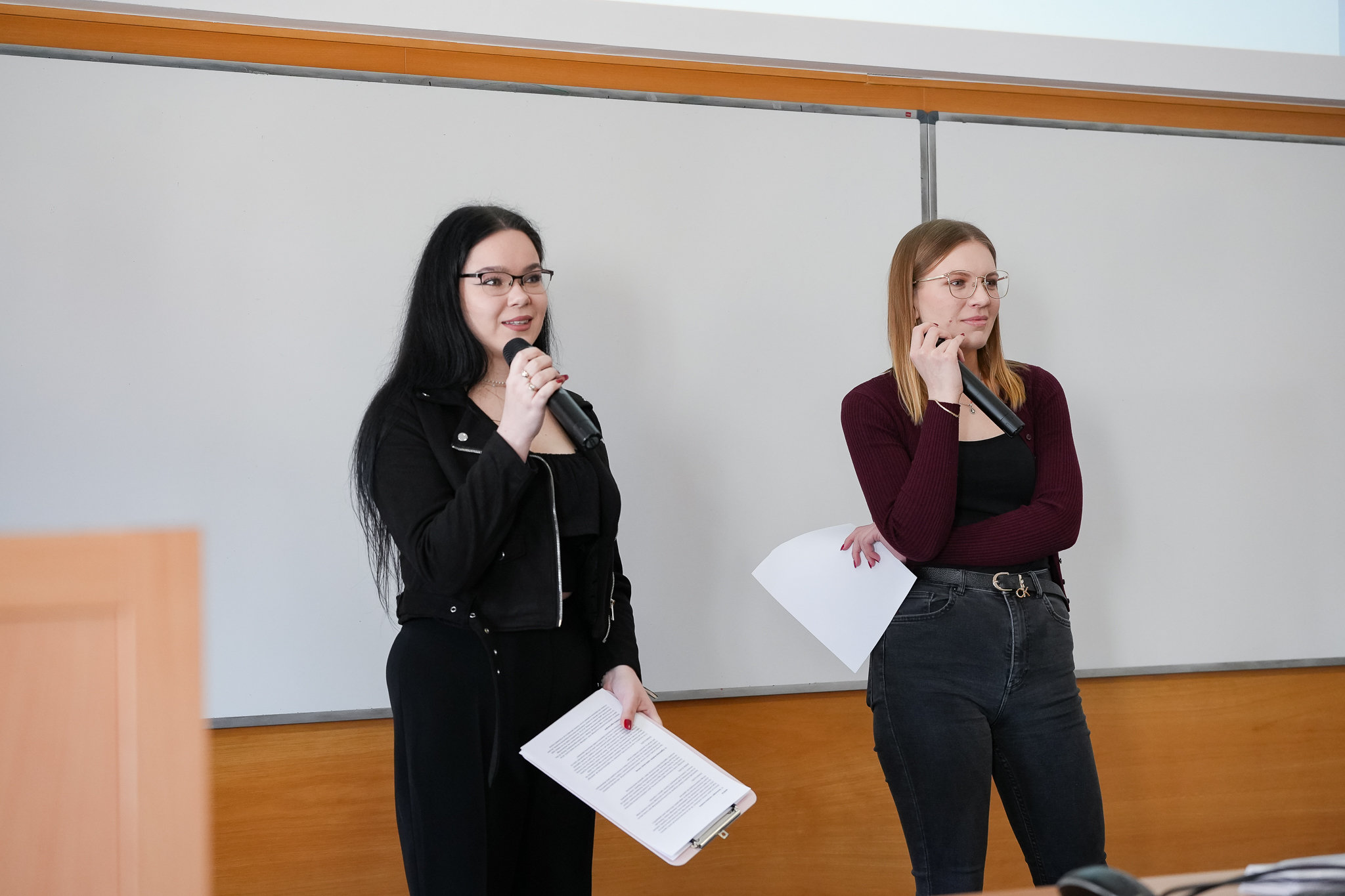
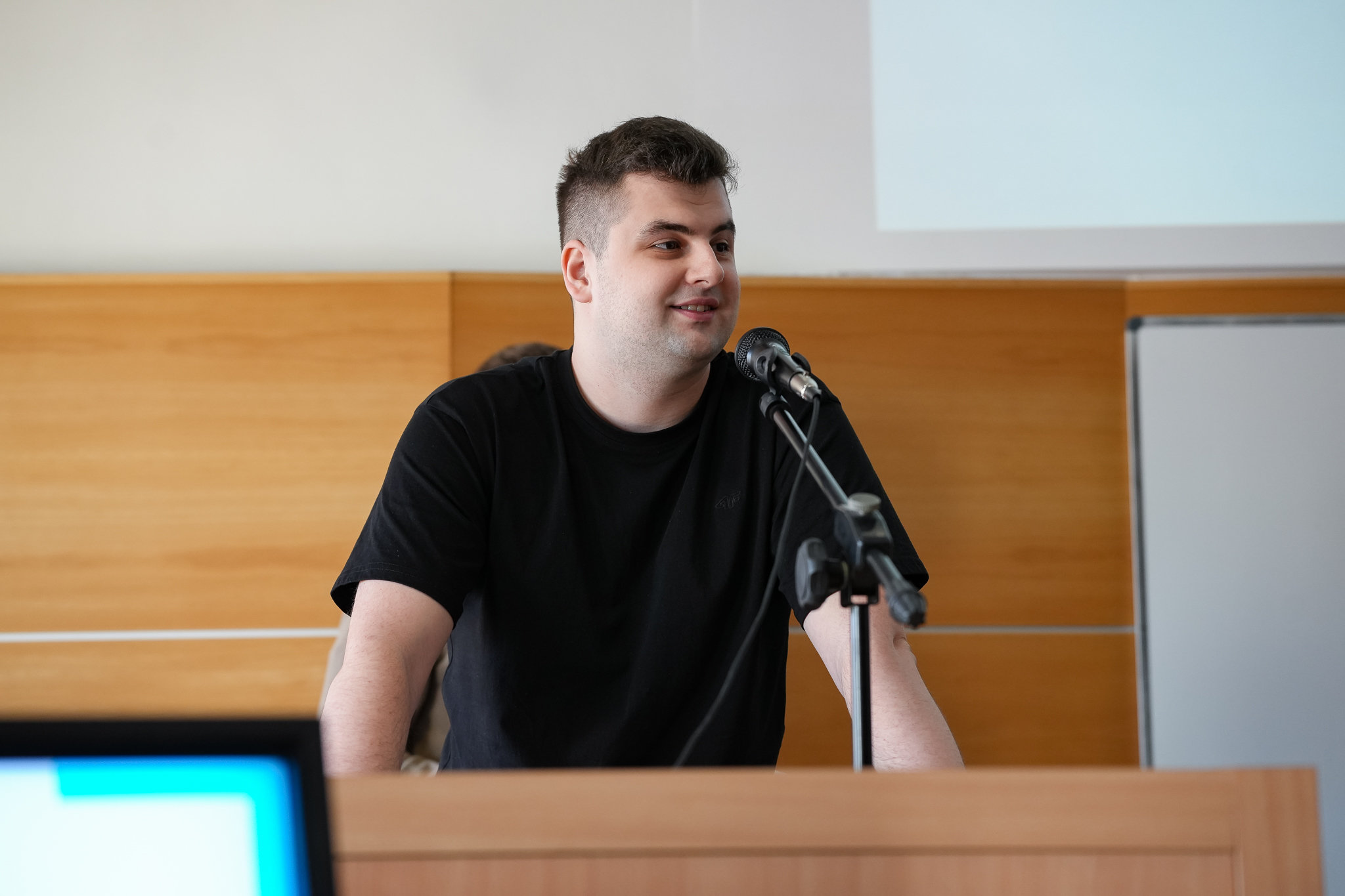
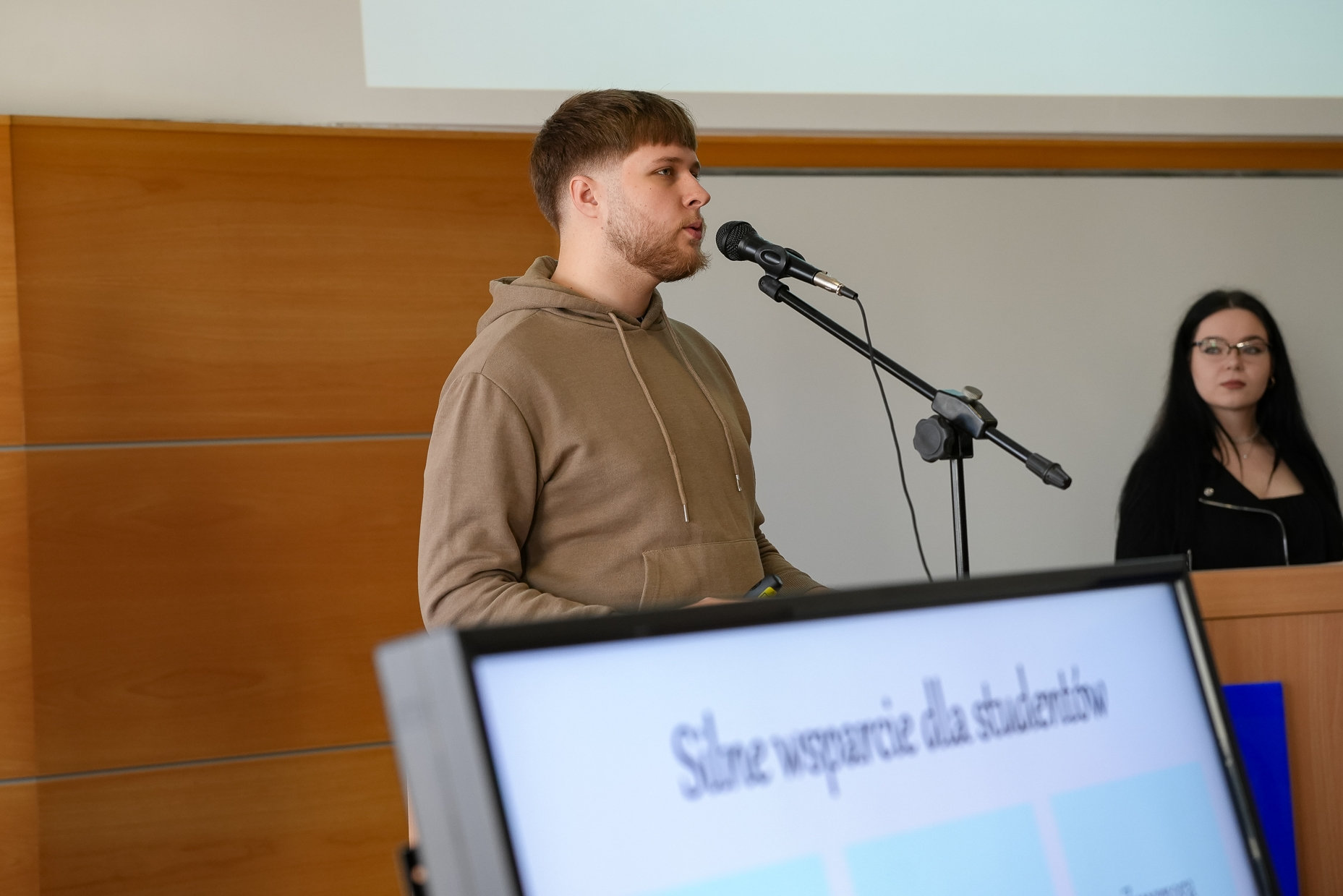
Students Wiktoria Skiba, Weronika Strzelecka, Kamil Adamiec, and Konrad Stodolak prepared and conducted a session titled “The Capital of Student Experience at the Faculty of Economics and Finance of the University of Rzeszów.” Its aim was to present the realities of studying and the development opportunities offered by the Faculty. The session highlighted that university studies are not only about acquiring knowledge but also about gaining valuable experience that influences future career paths. Students presented key areas of academic activity, such as participation in scientific clubs, research projects, conferences, international exchange programs, and initiatives organized by the student self-government. Participants learned how academic involvement can develop social, entrepreneurial, and analytical skills and help build professional networks.
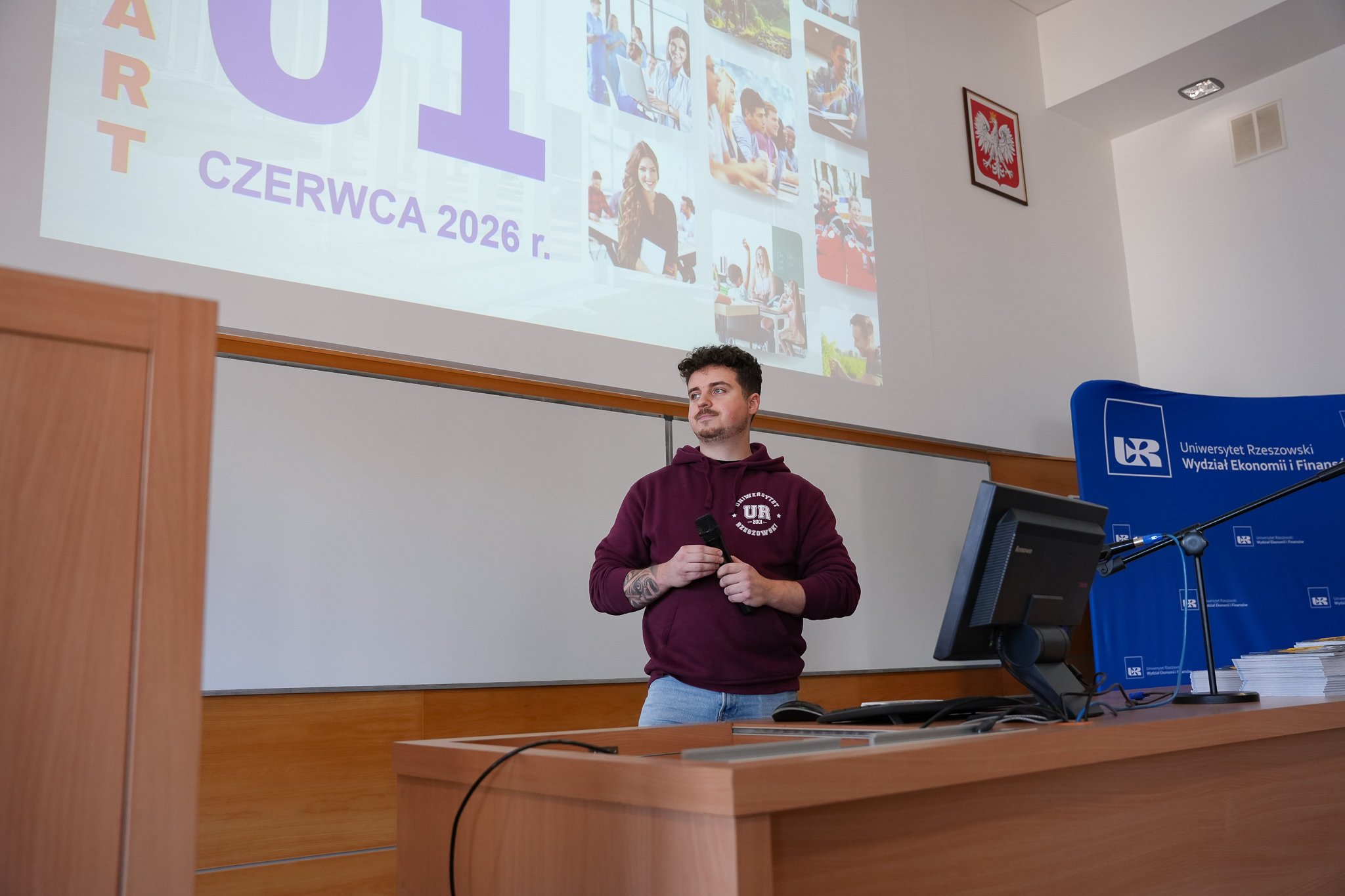
The students also had the opportunity to attend an information session with representatives of the Recruitment Section and the Career Office of the University of Rzeszów. Career advisor MSc Eng. Marta Kot presented the university’s broad educational offer, emphasizing the diversity of available programs and opportunities for academic and professional growth. She also highlighted the importance of choosing a field of study that aligns with young people’s interests and predispositions. Next, Jakub Prawica from the Recruitment Section and the Student Career Office provided detailed information about the recruitment process. Students learned about the admission schedule, online registration rules, and the stages of submitting required documents. This allowed them to better understand the pathway from completing secondary school to beginning studies at the University of Rzeszów.
Photo: Łukasz Lewandowski