News
10 October – World Mental Health Day
On 10 October, we celebrate World Mental Health Day – a special occasion to remind ourselves of the importance of caring for our psychological well-being, mutual support, and open dialogue about emotions. In a world full of psychological, social, and emotional challenges, taking care of mental health has become not only an individual need but also a shared responsibility of society as a whole.
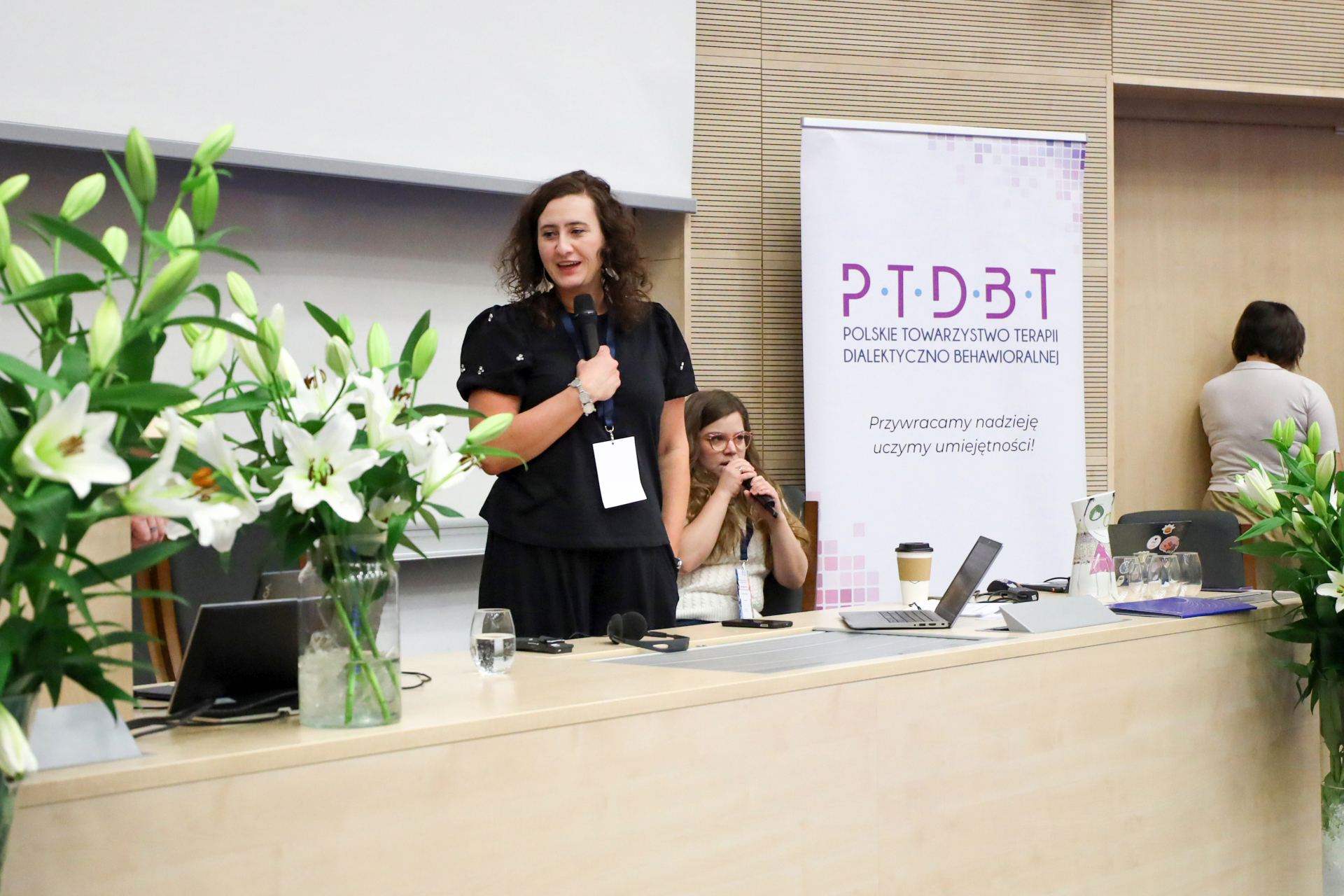
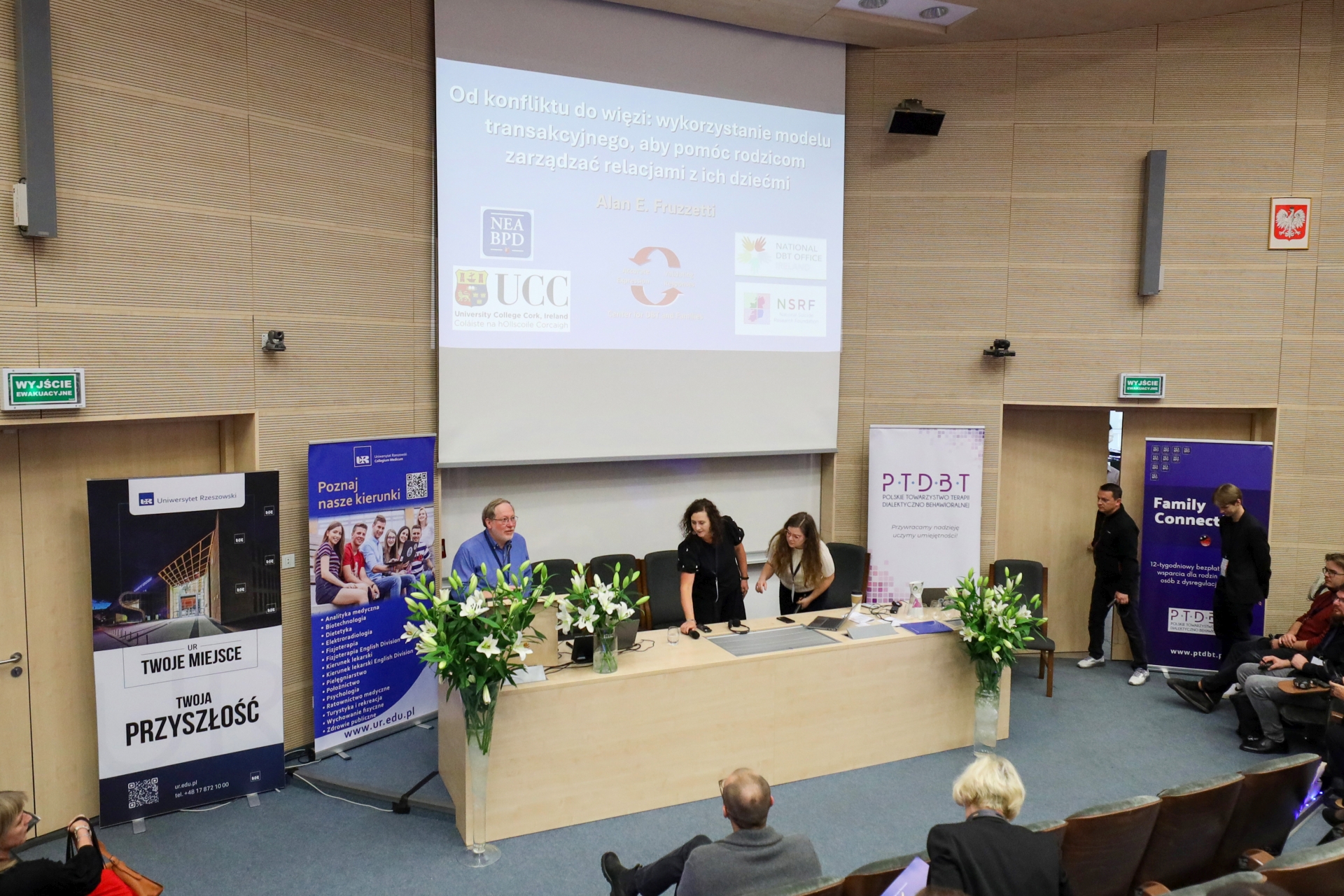
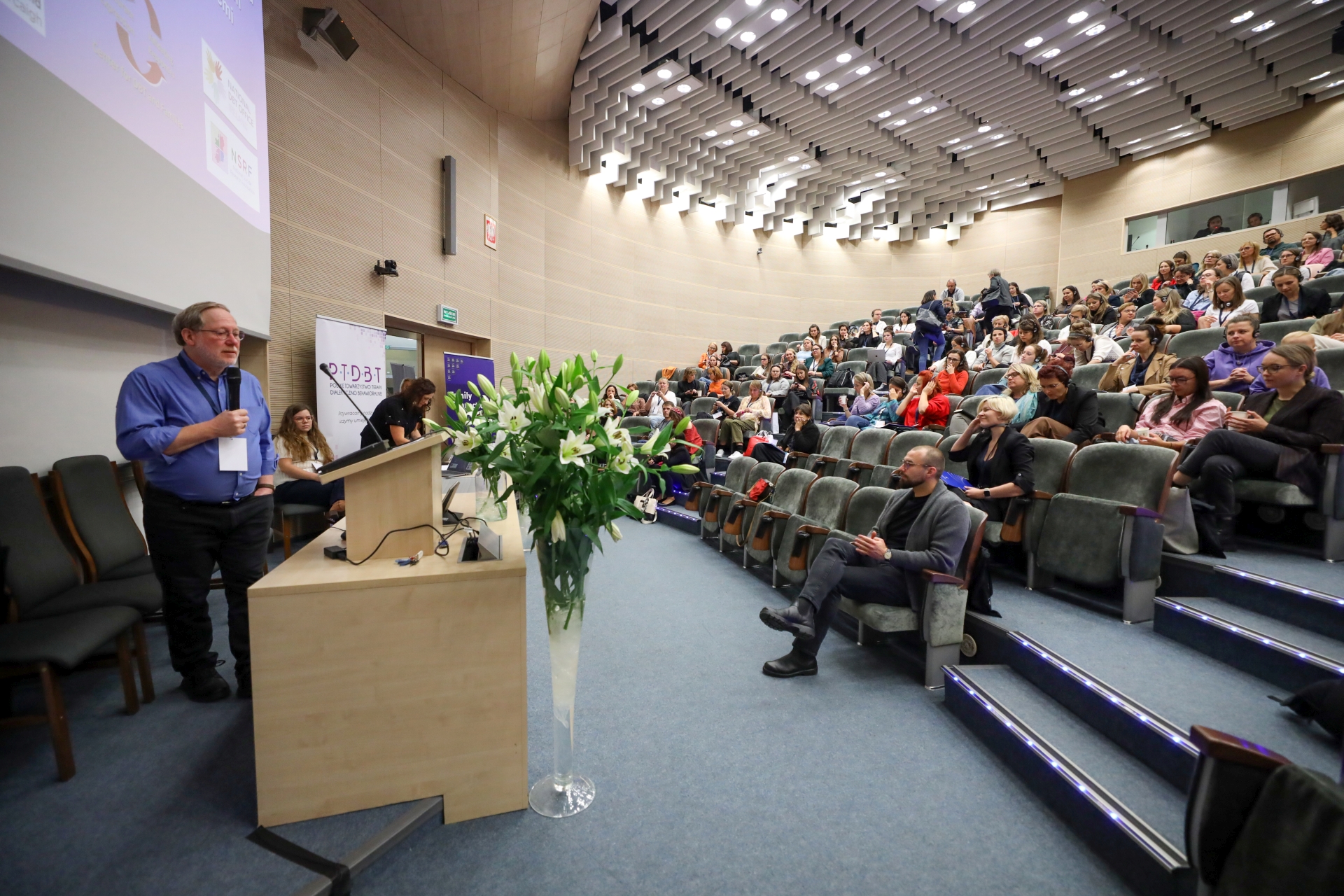
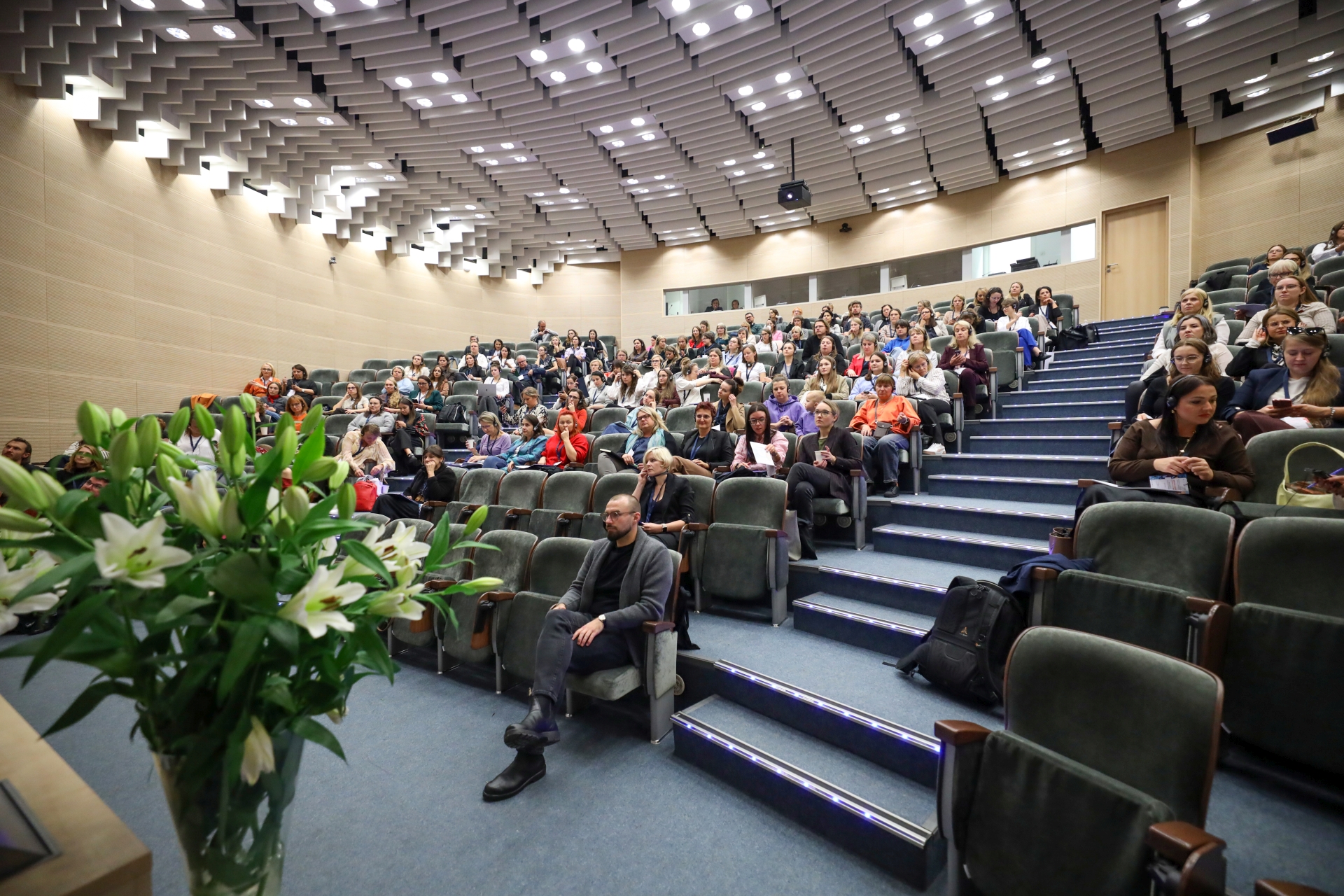
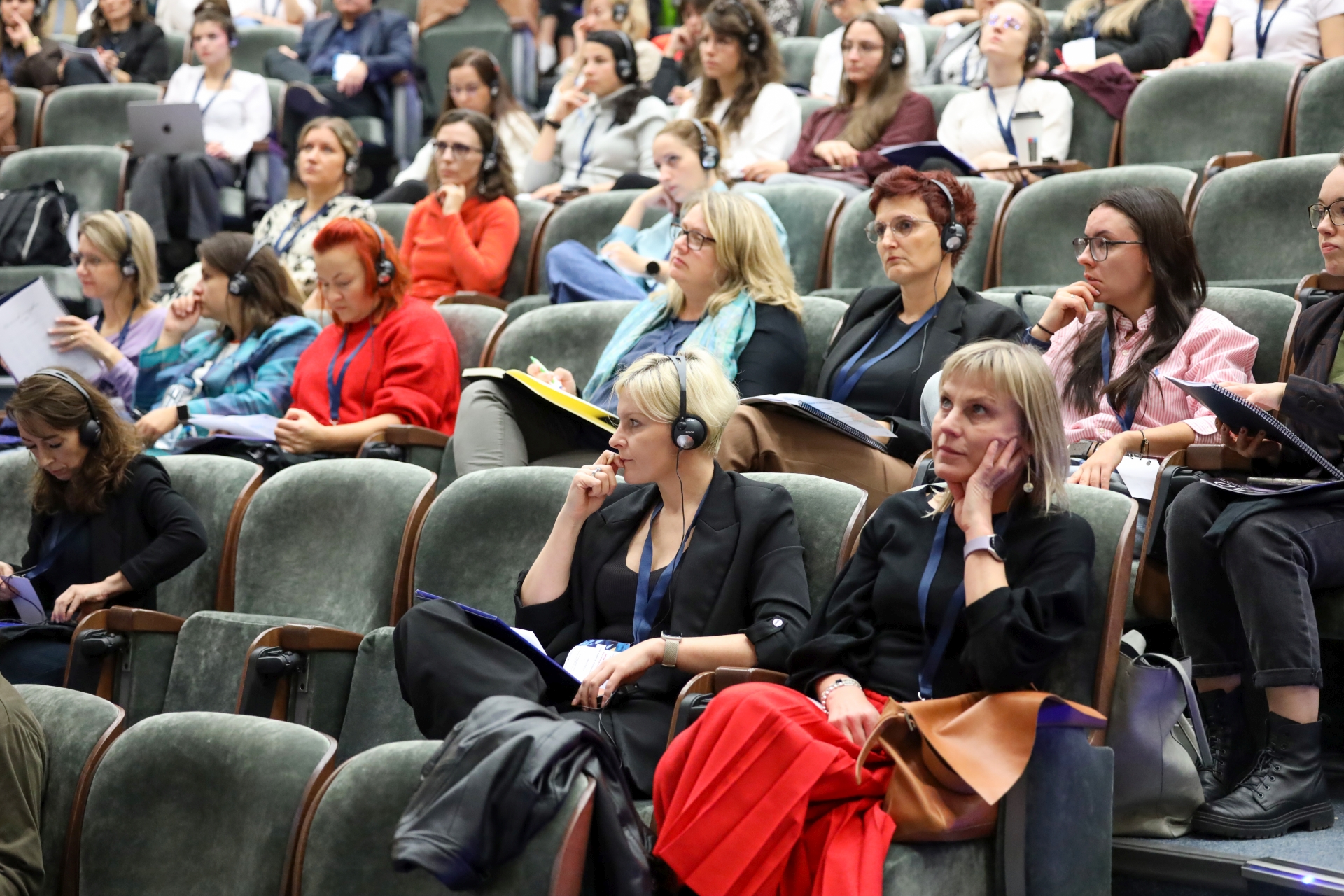
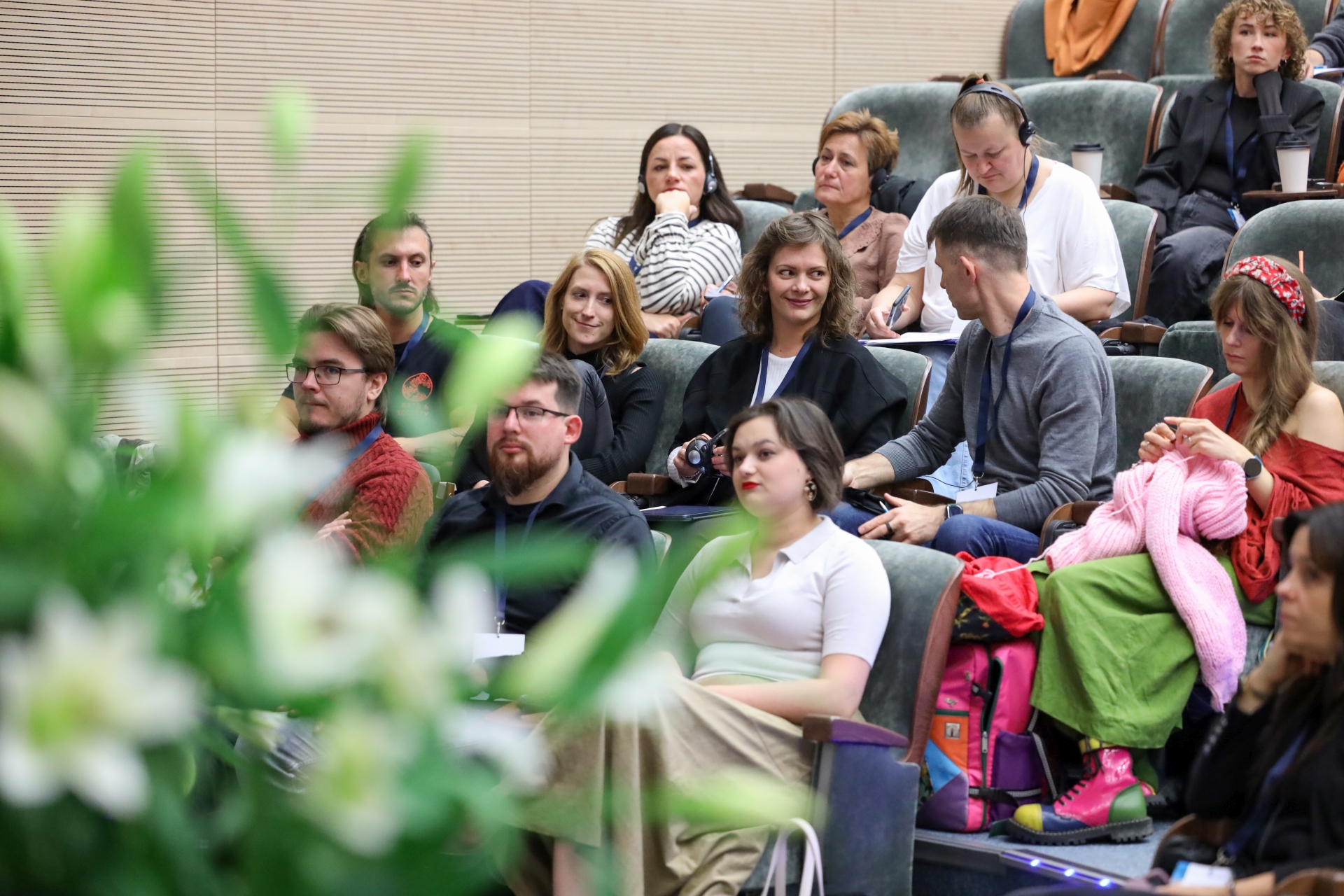
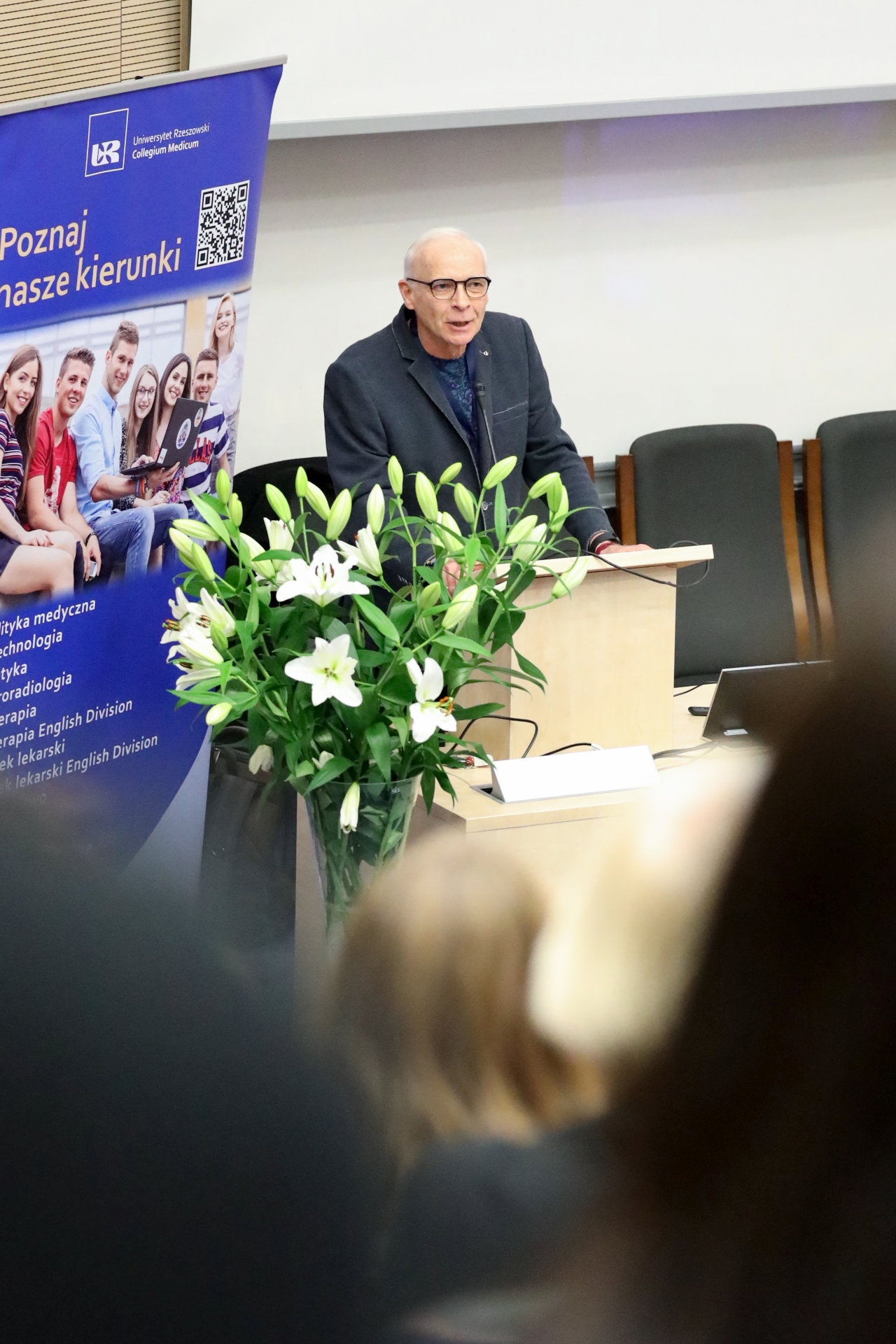
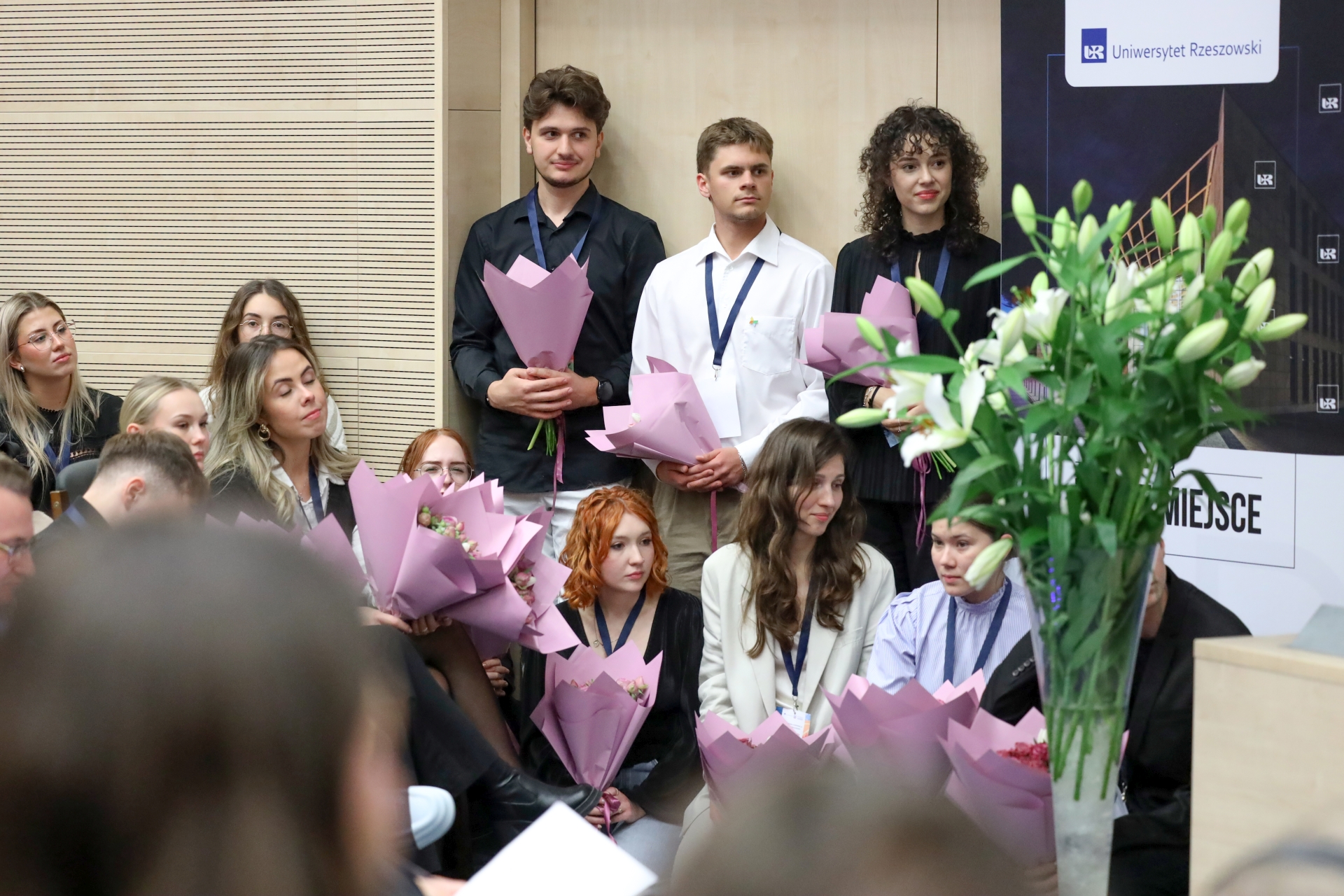
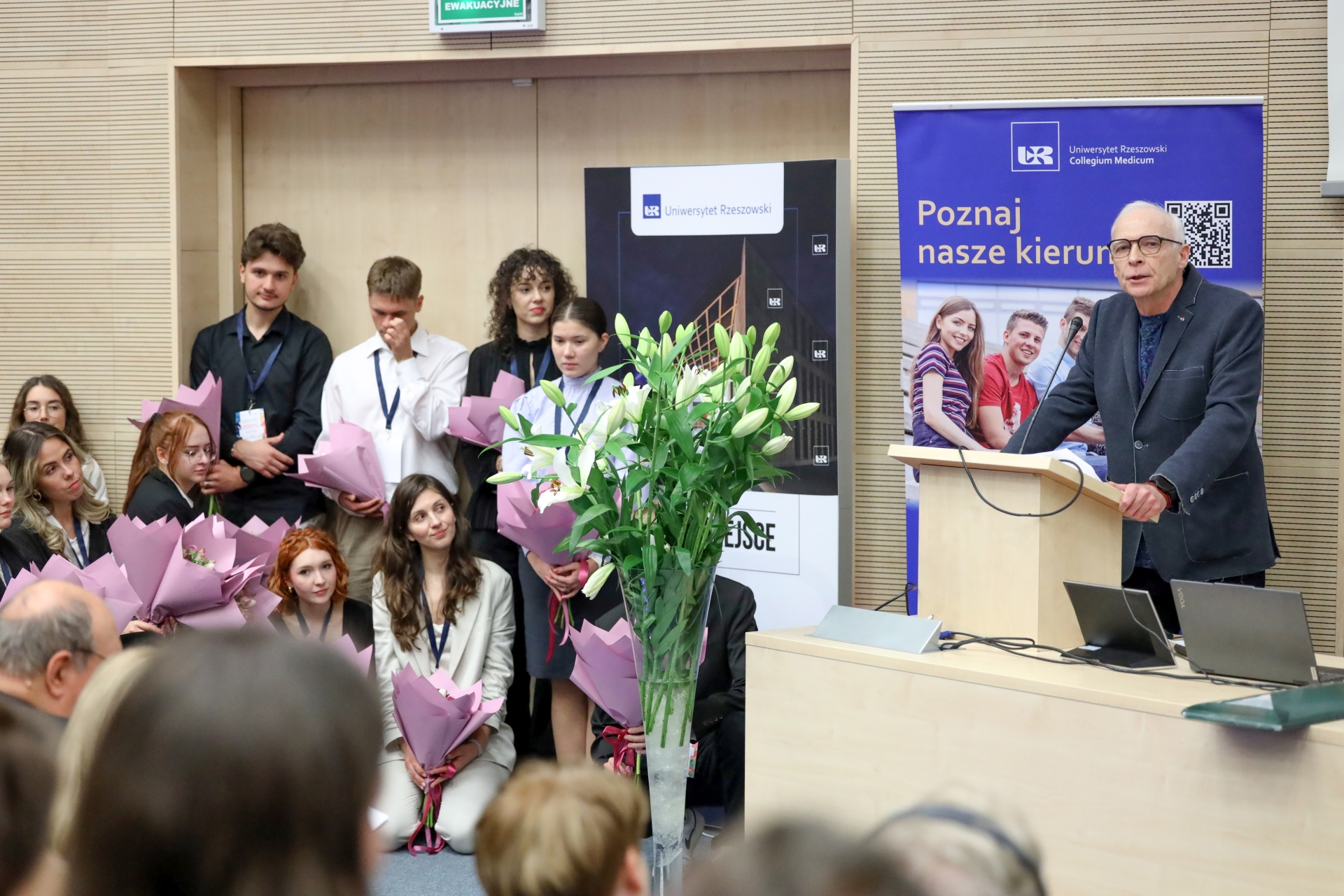
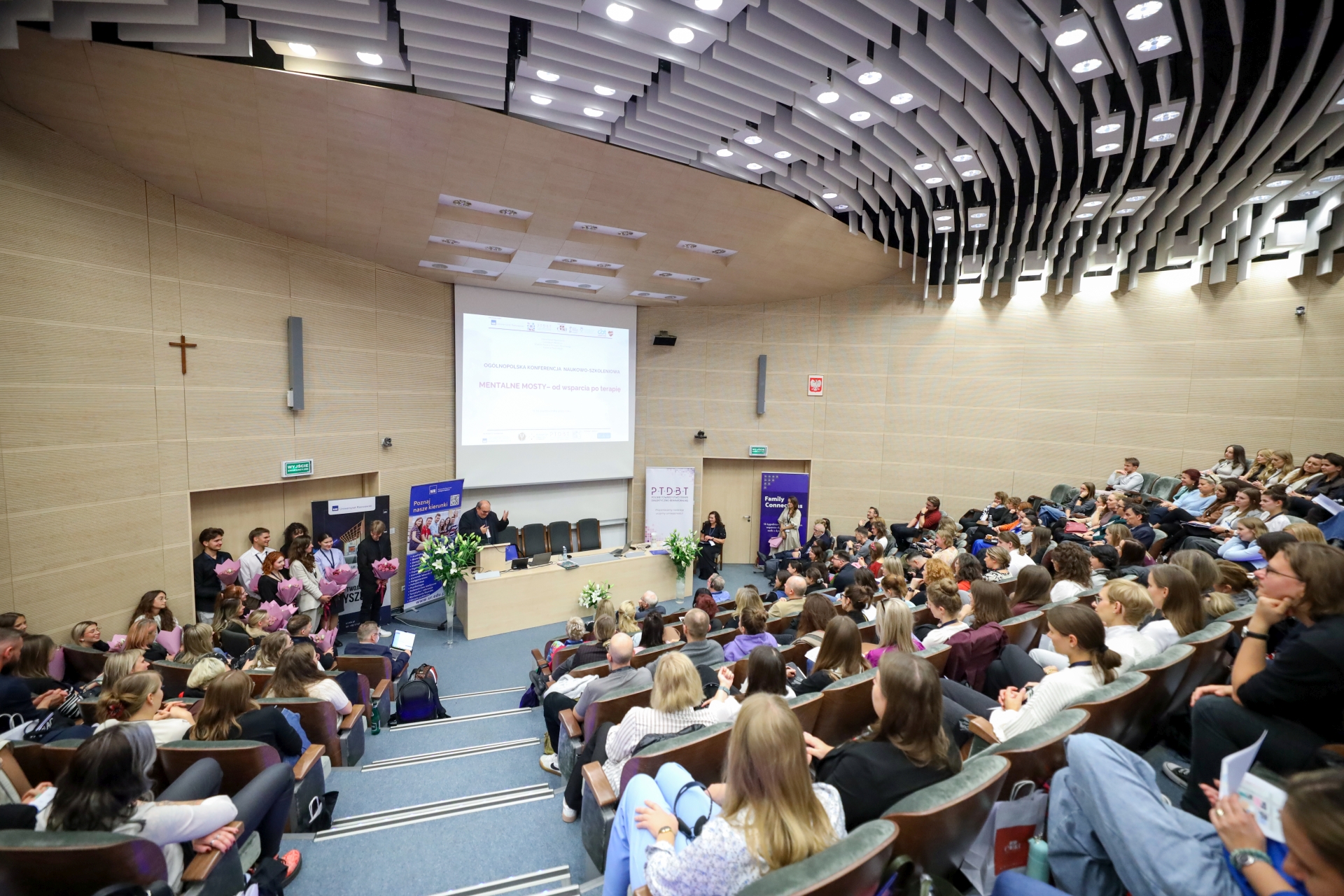
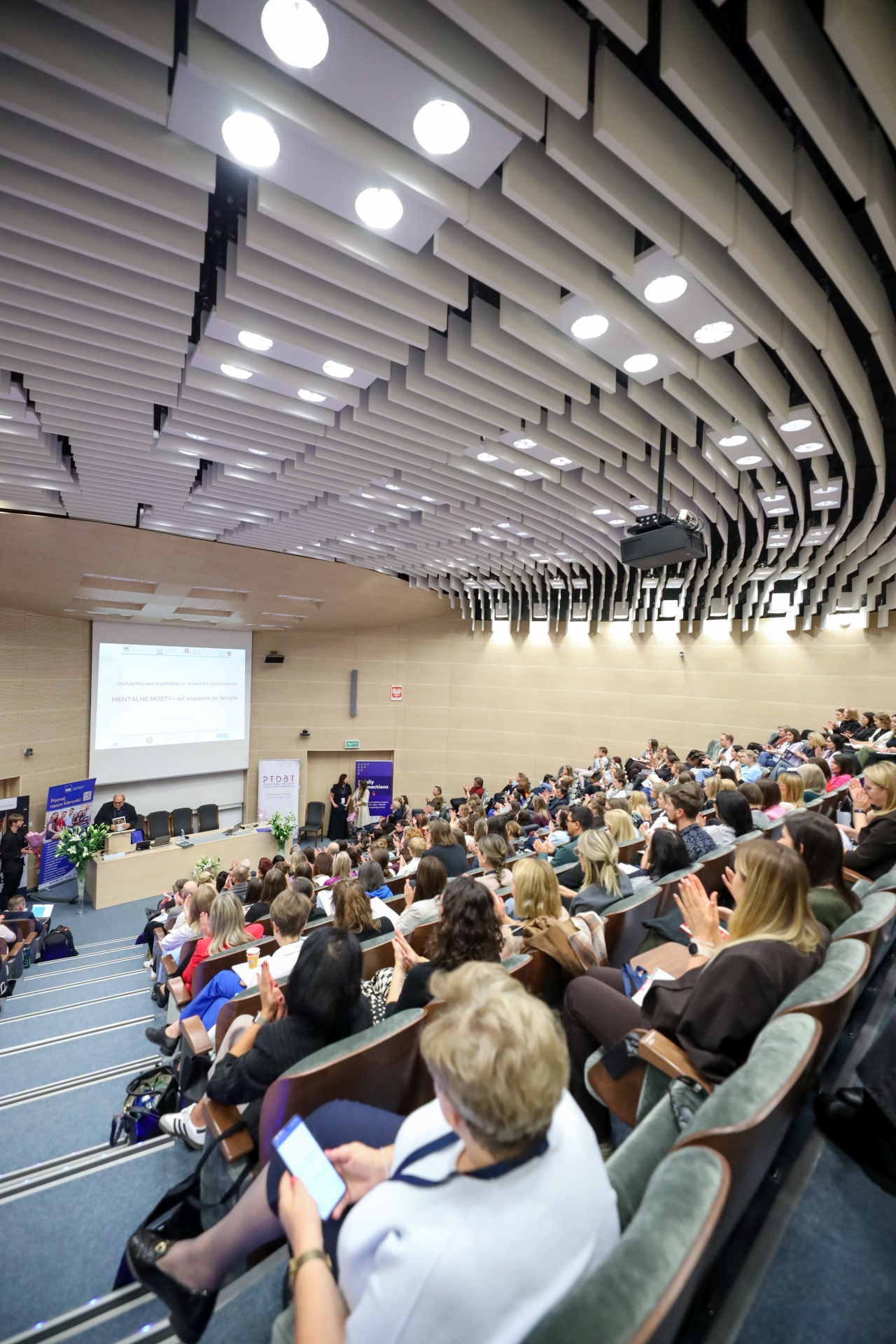
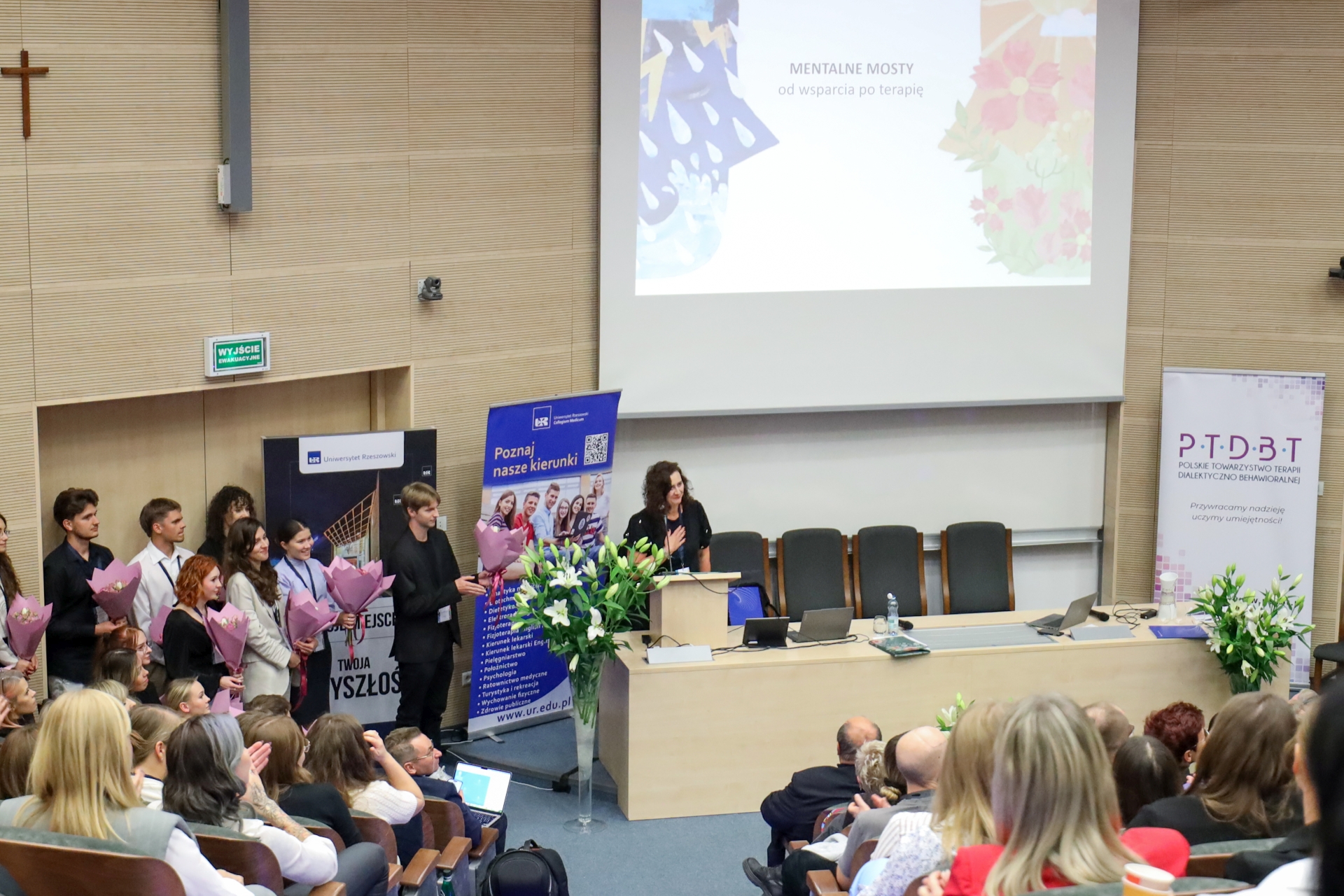
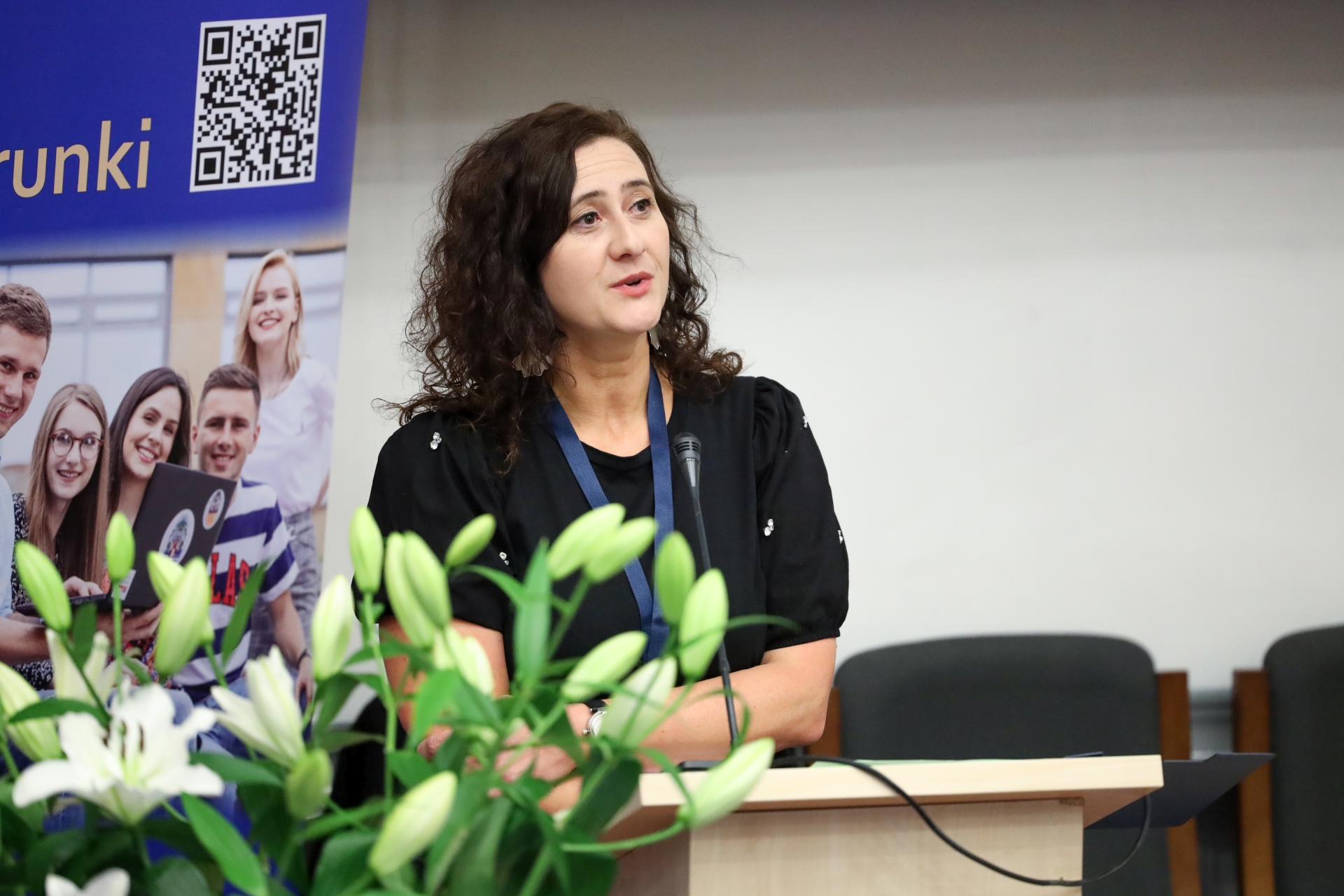
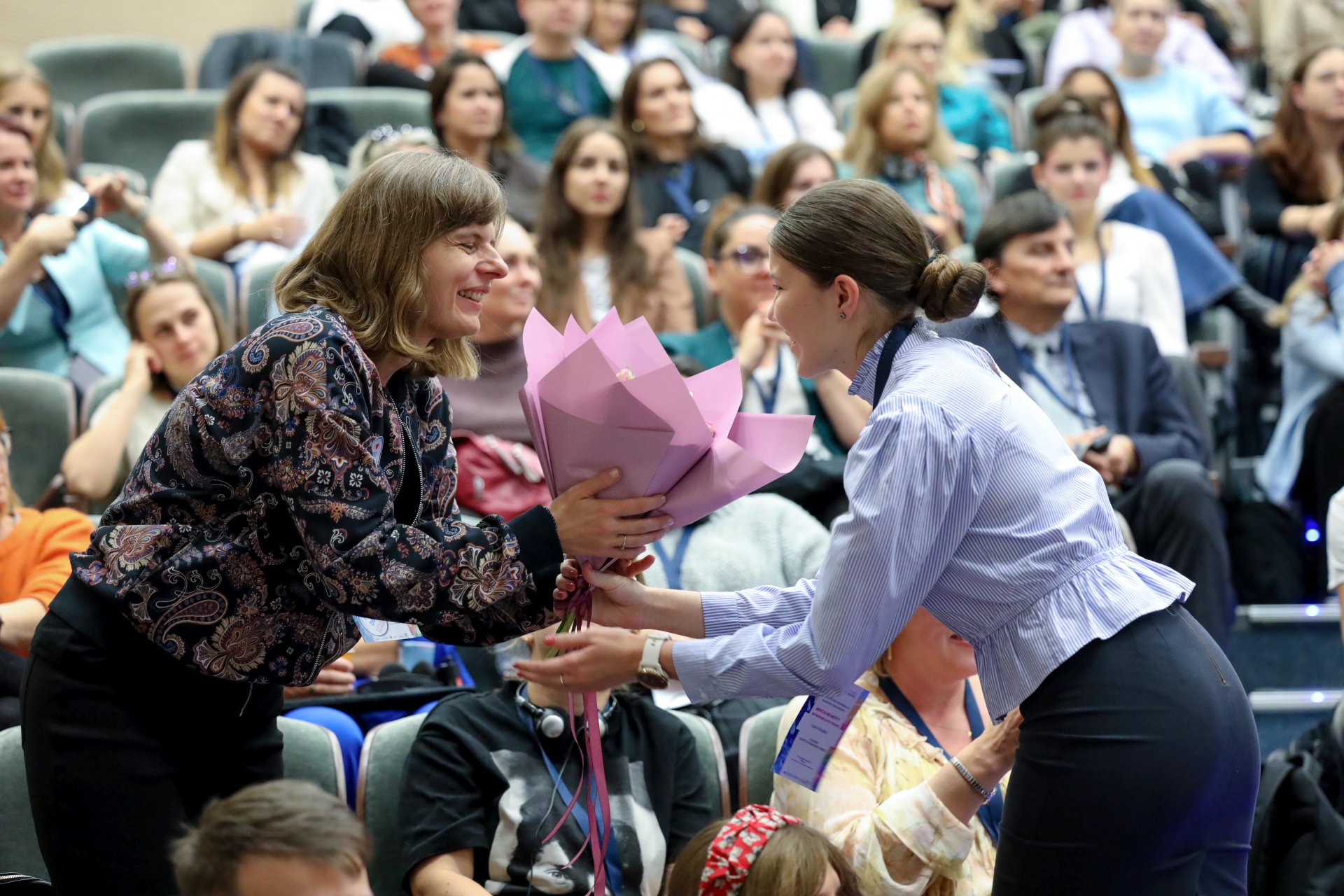
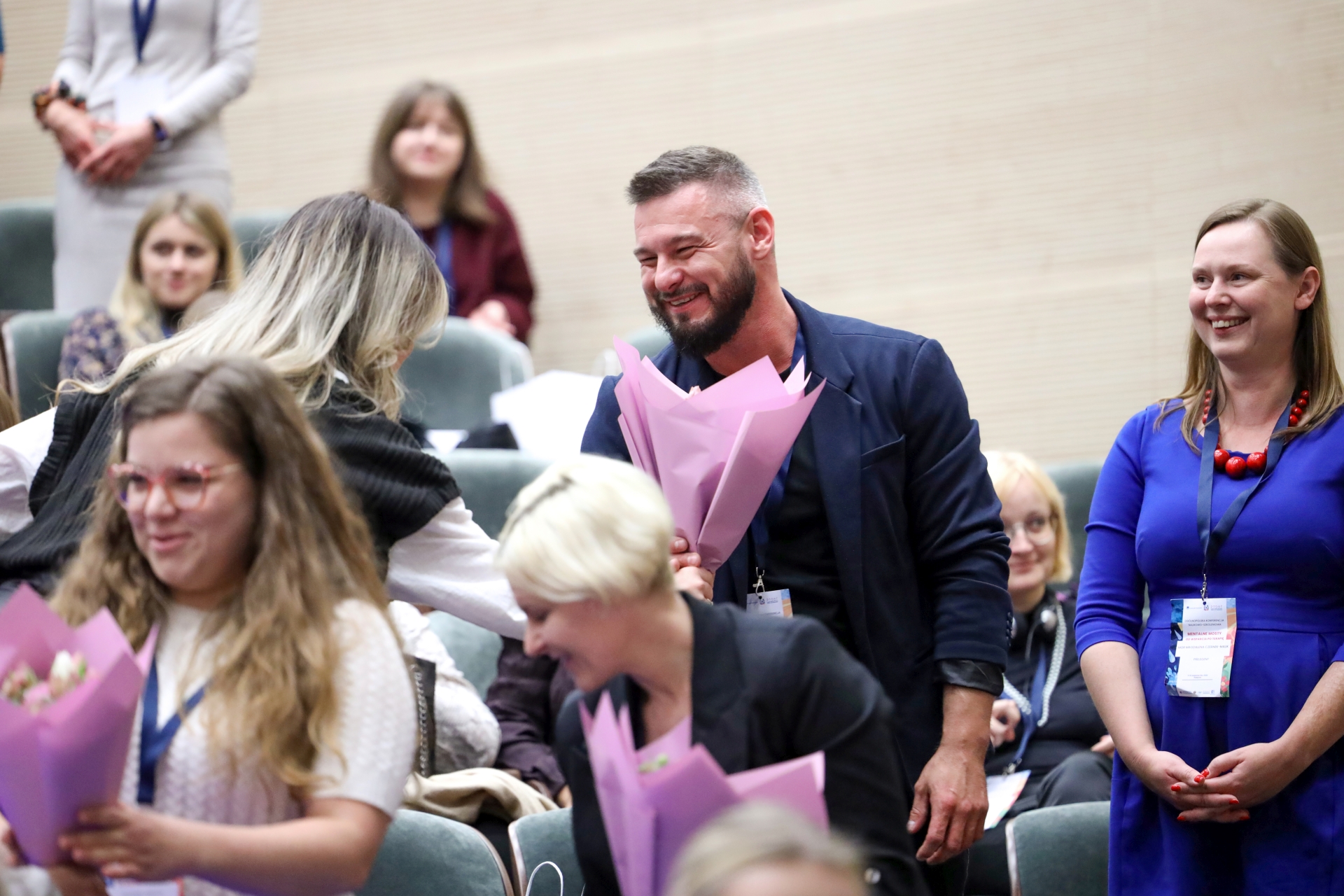
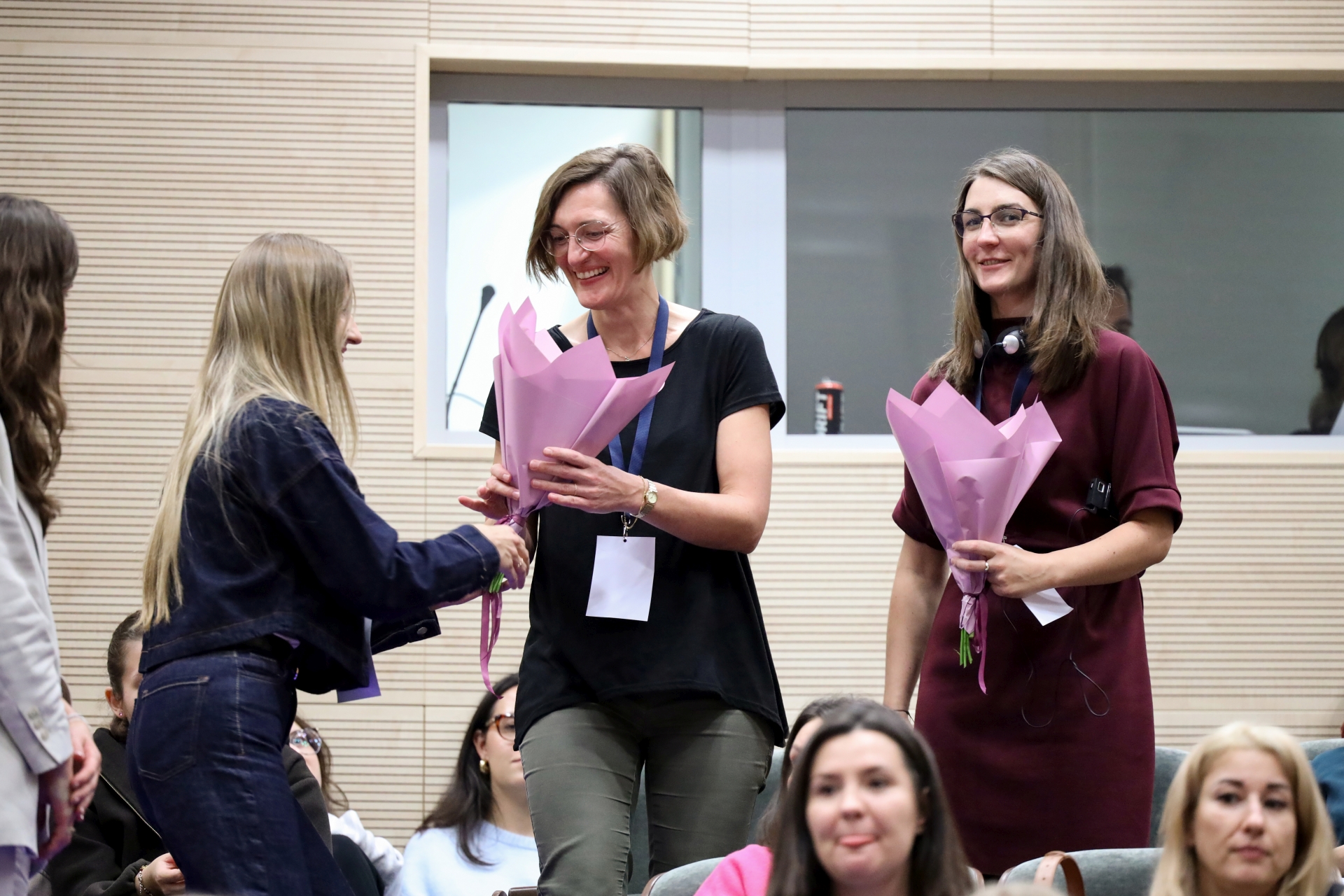
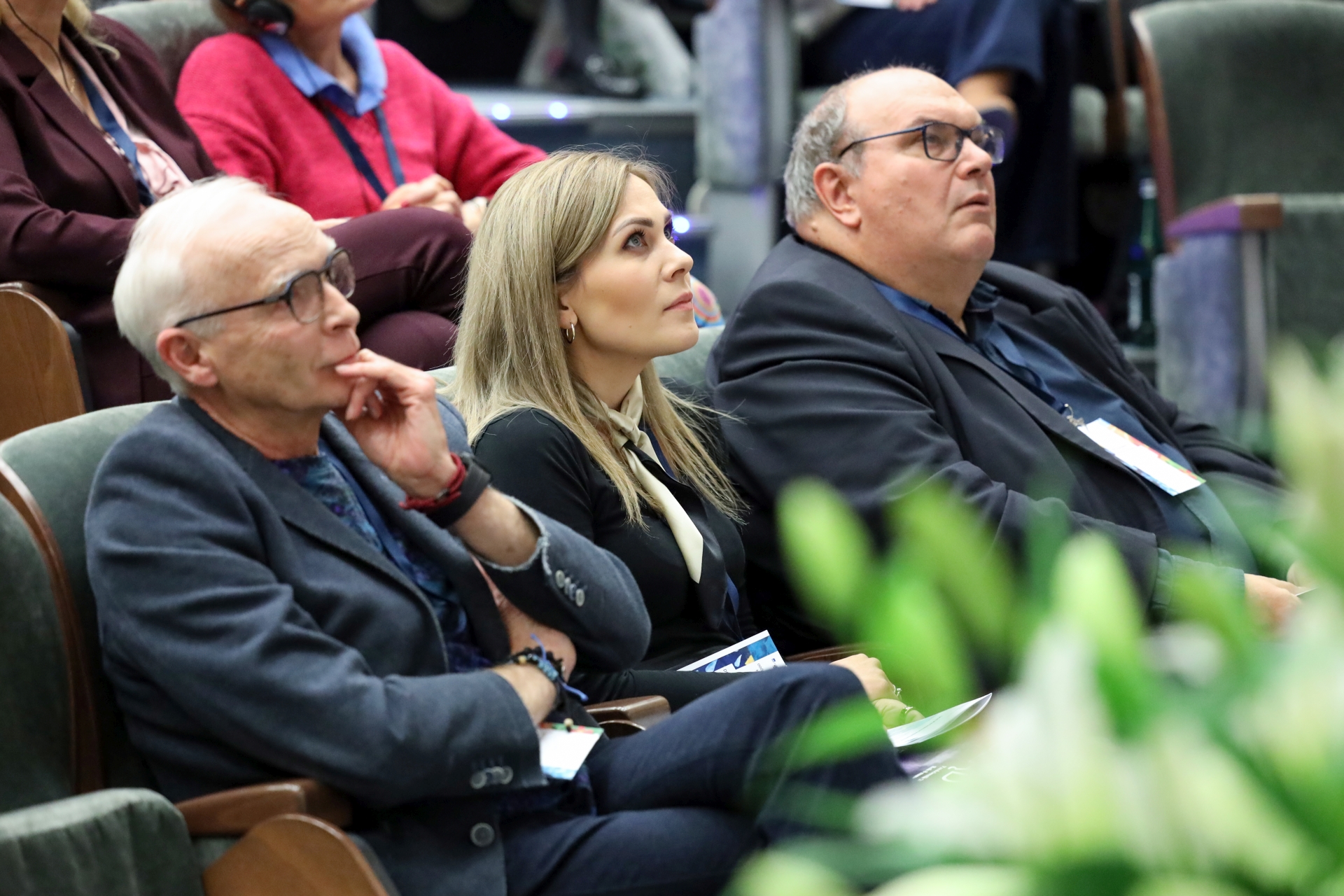
To mark this occasion, on 9–10 October, the University of Rzeszów, together with its Faculty of Health Sciences and Psychology, organised the National Scientific and Training Conference “Mental Bridges – From Support to Therapy”.
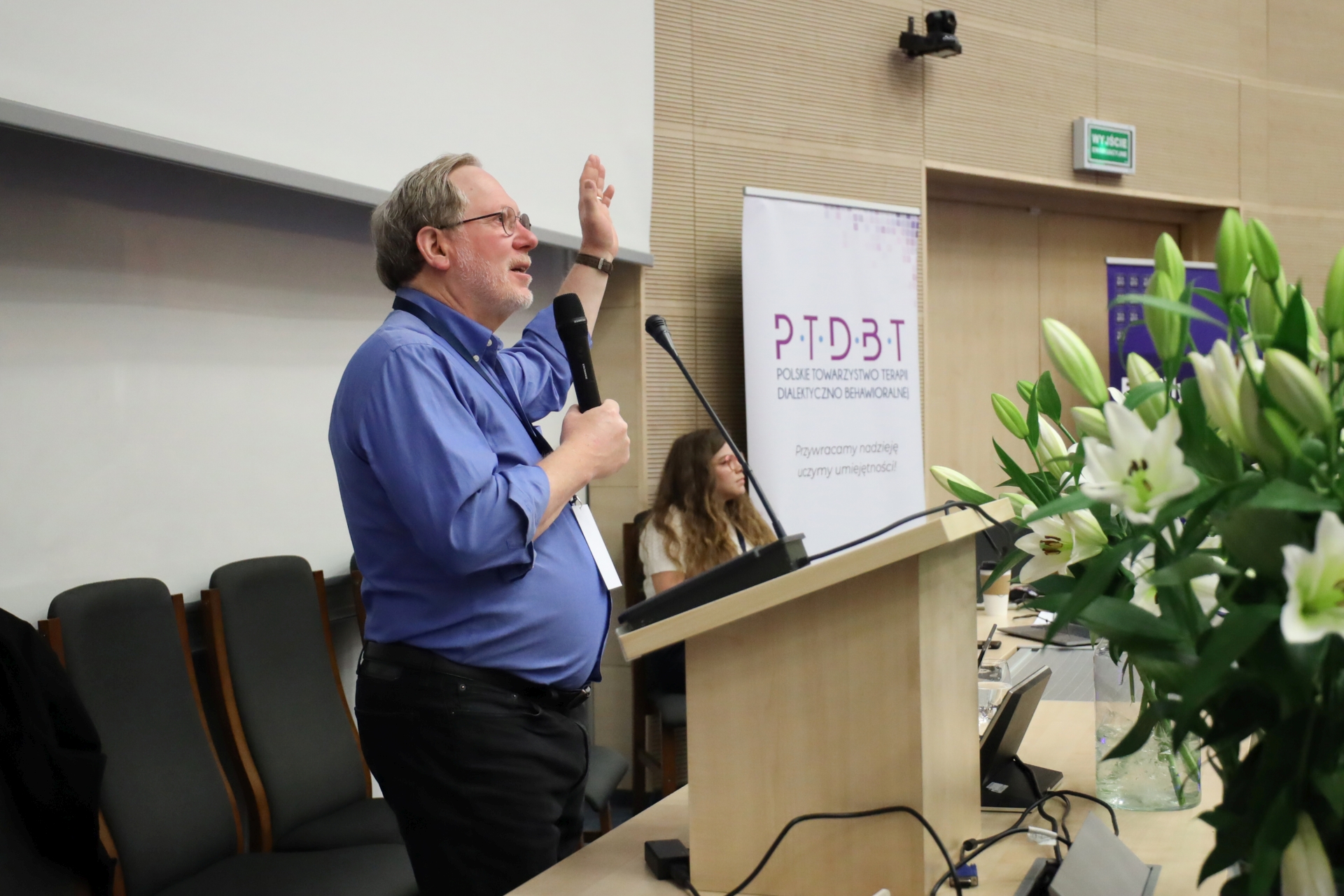
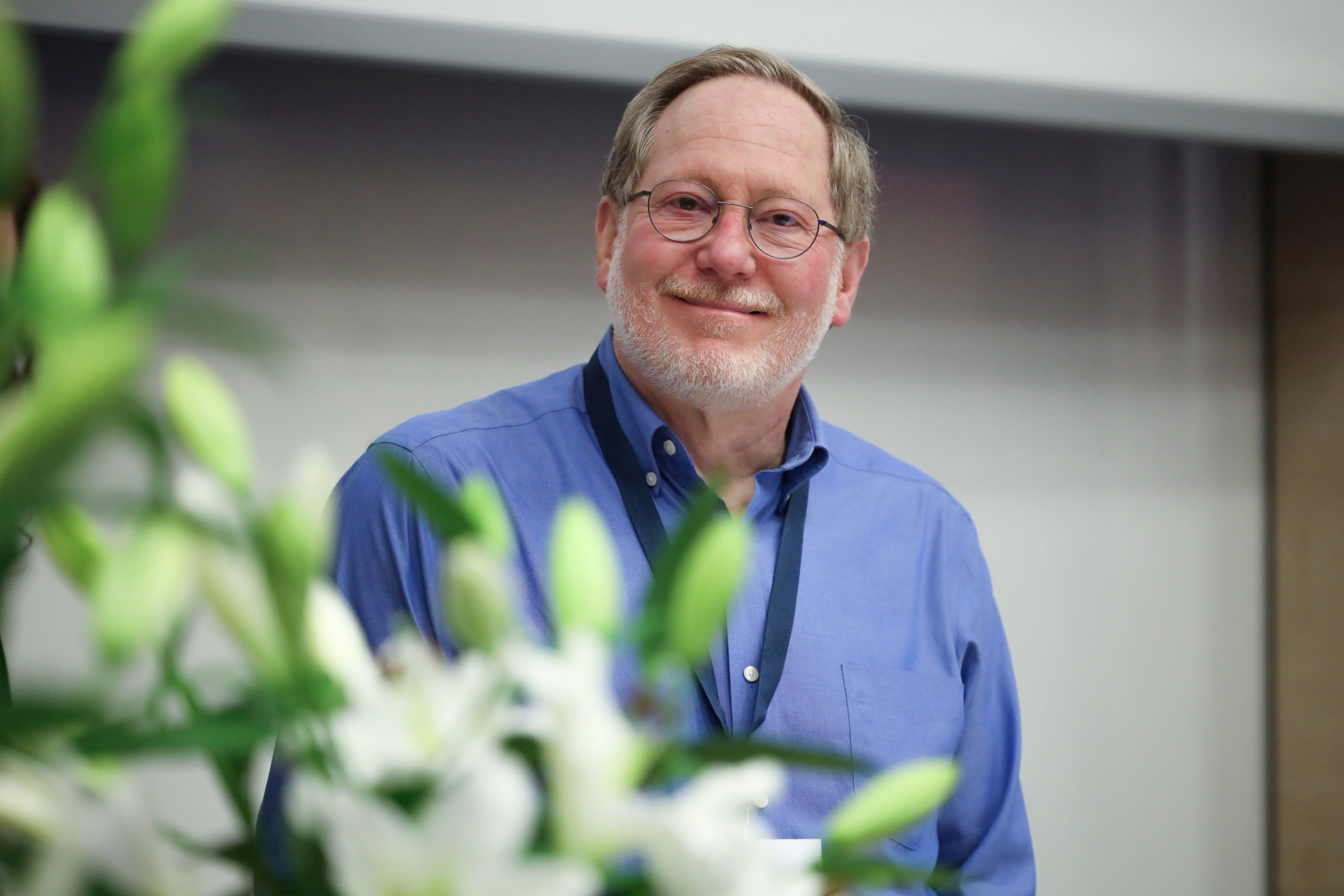
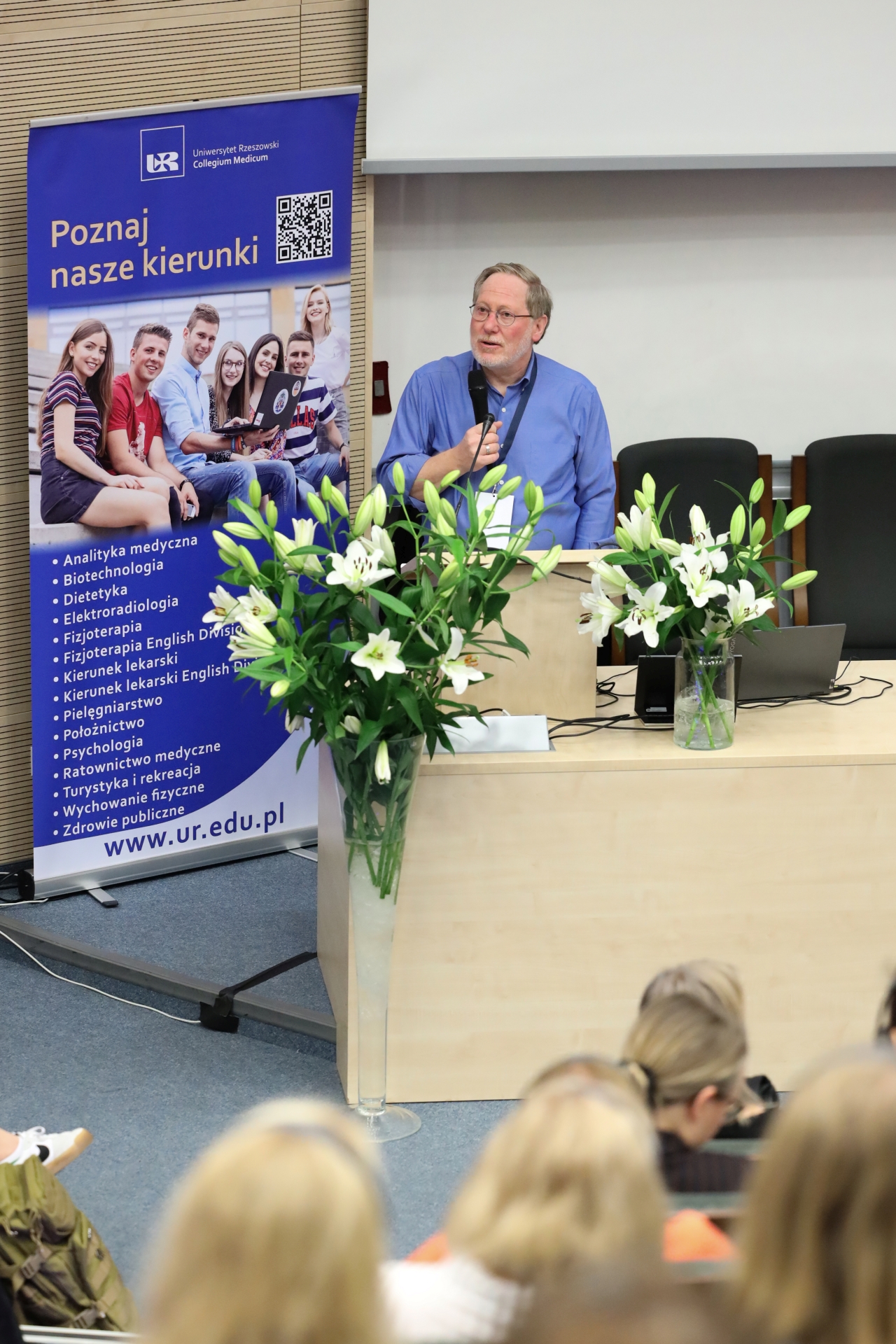
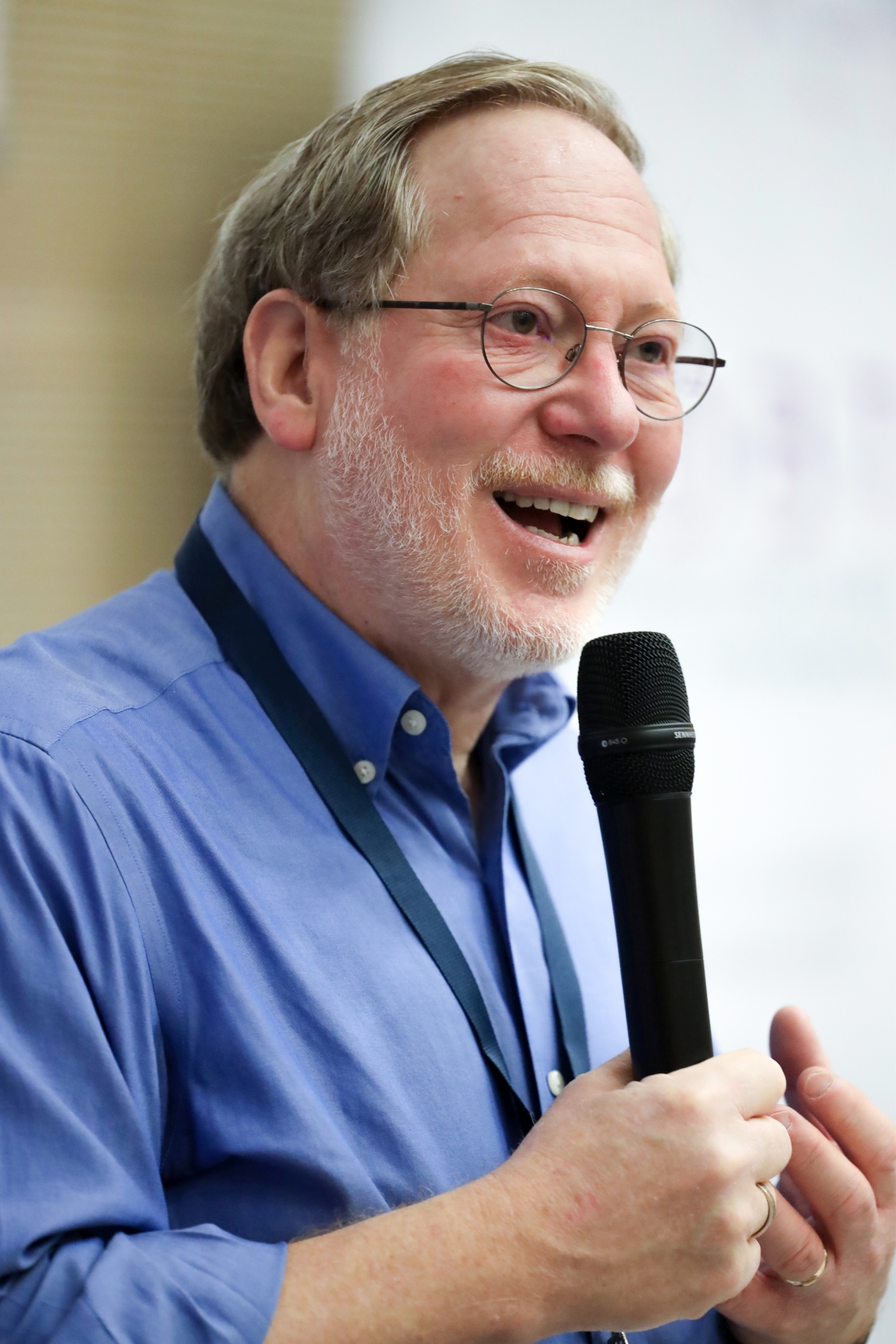
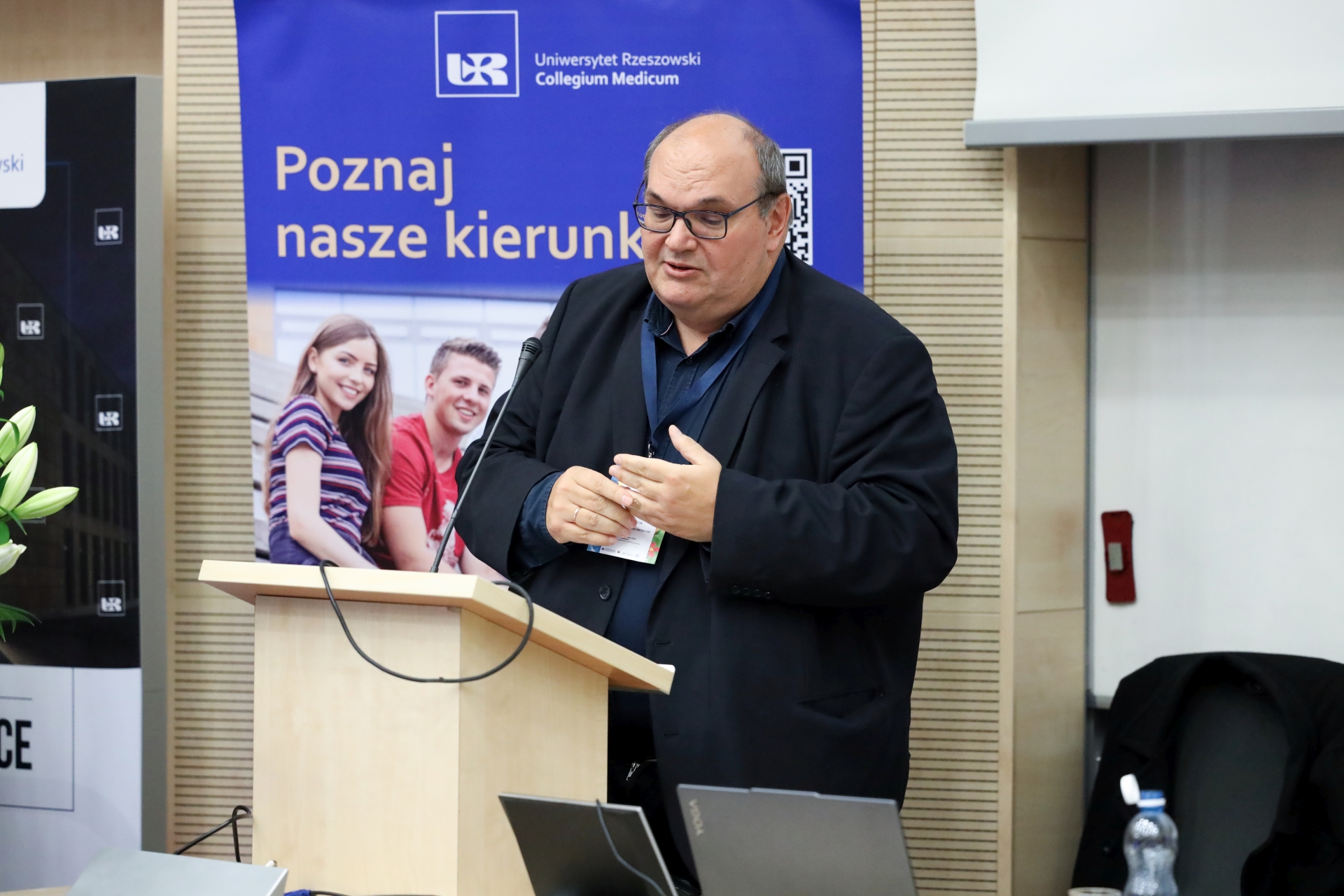
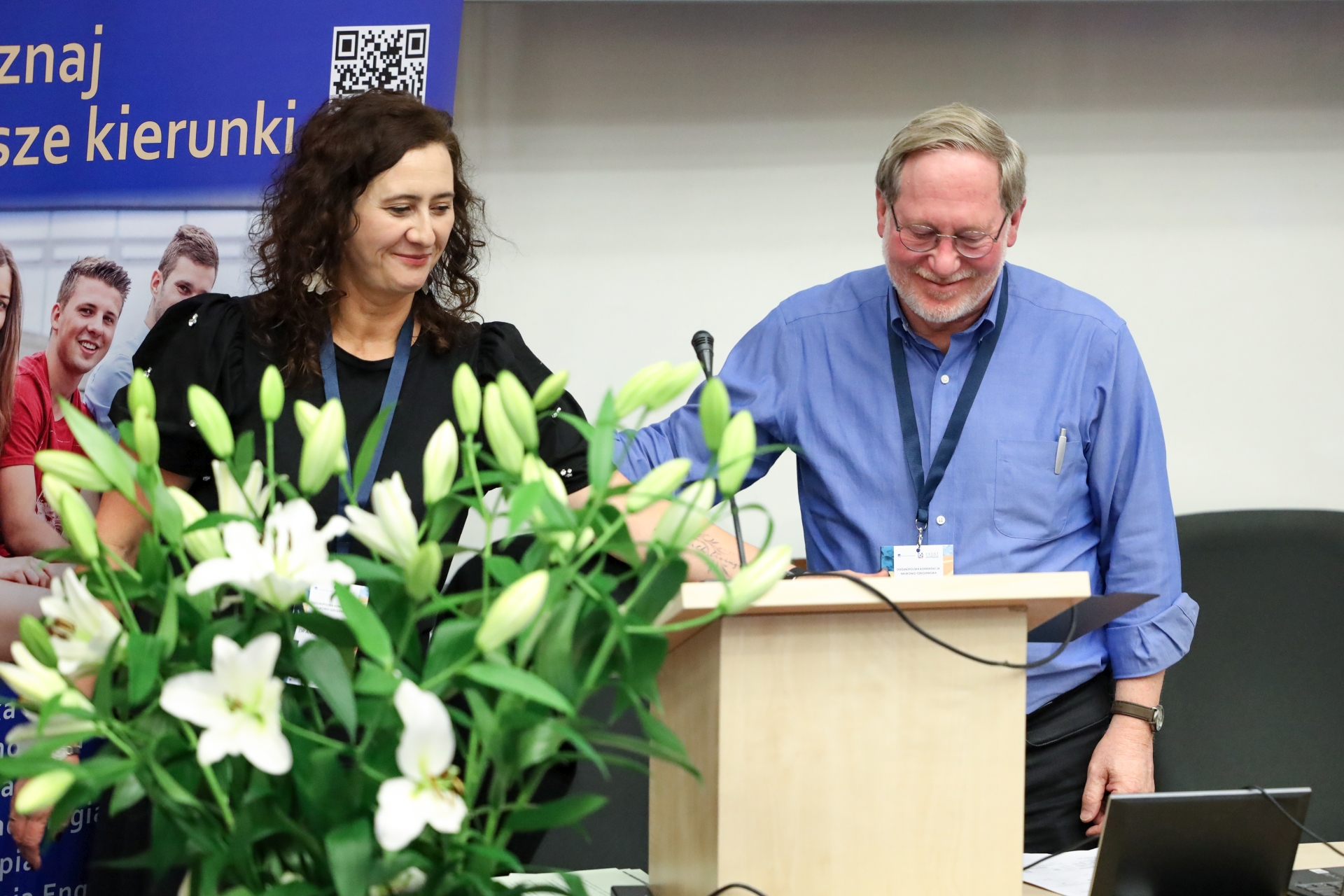
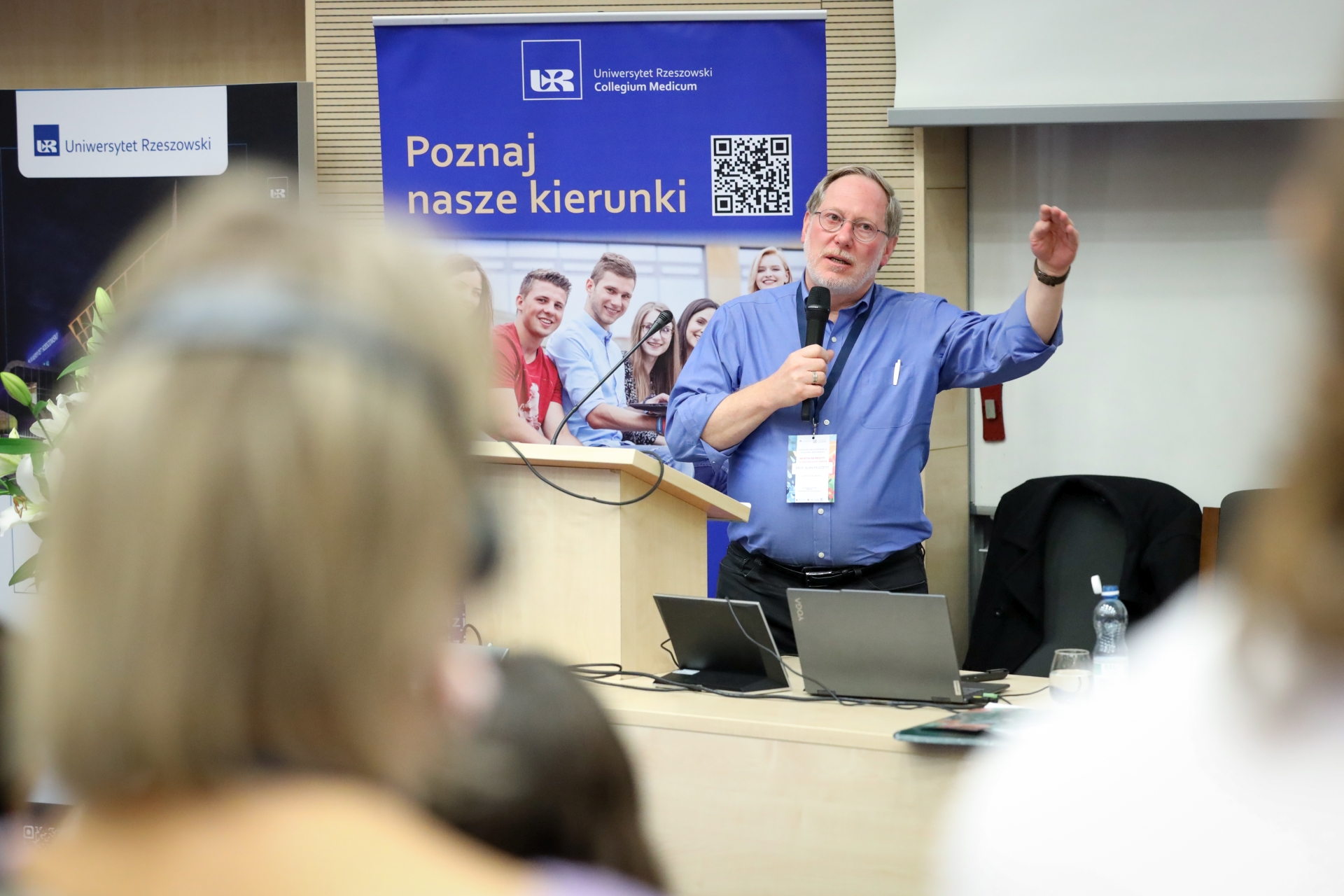
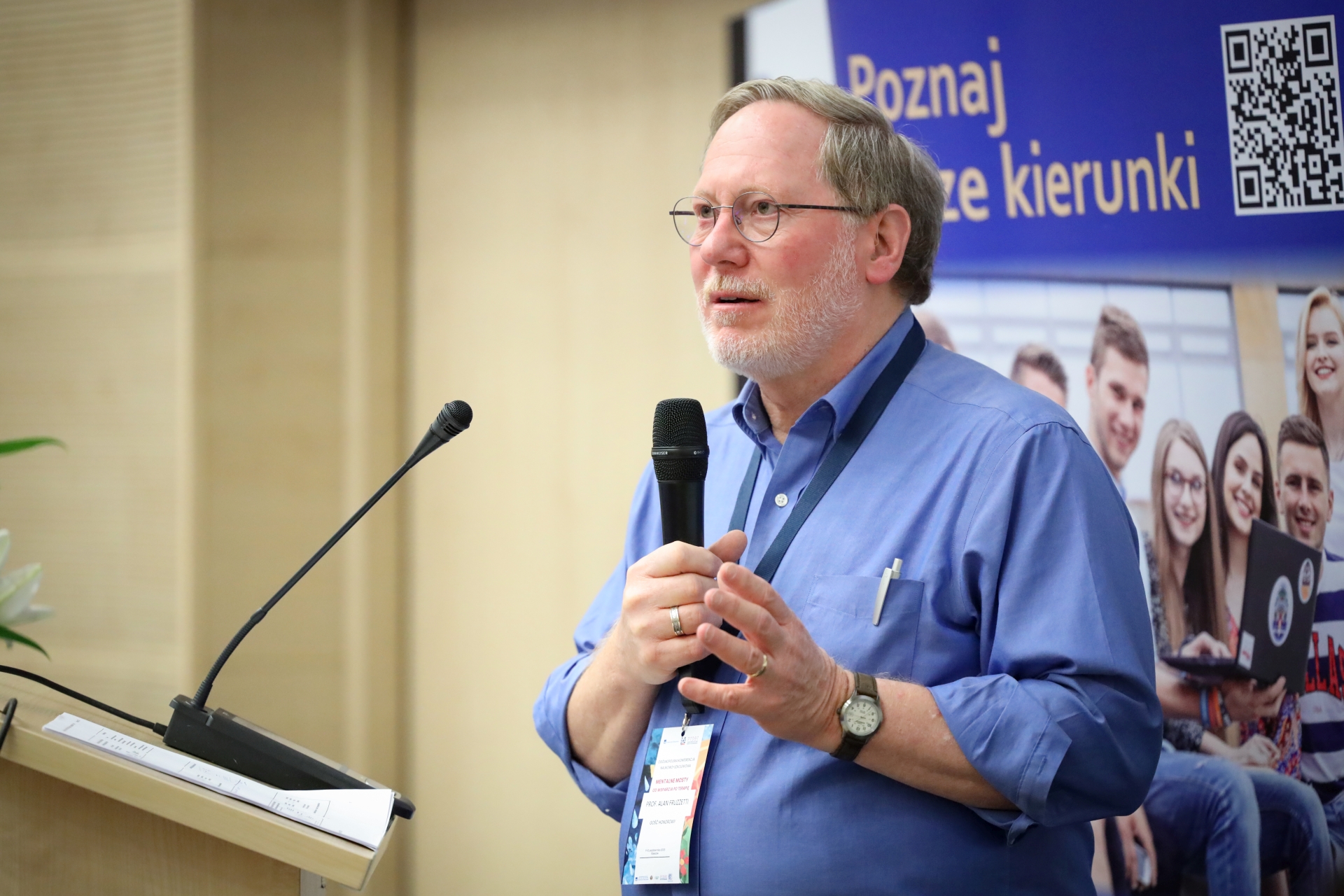
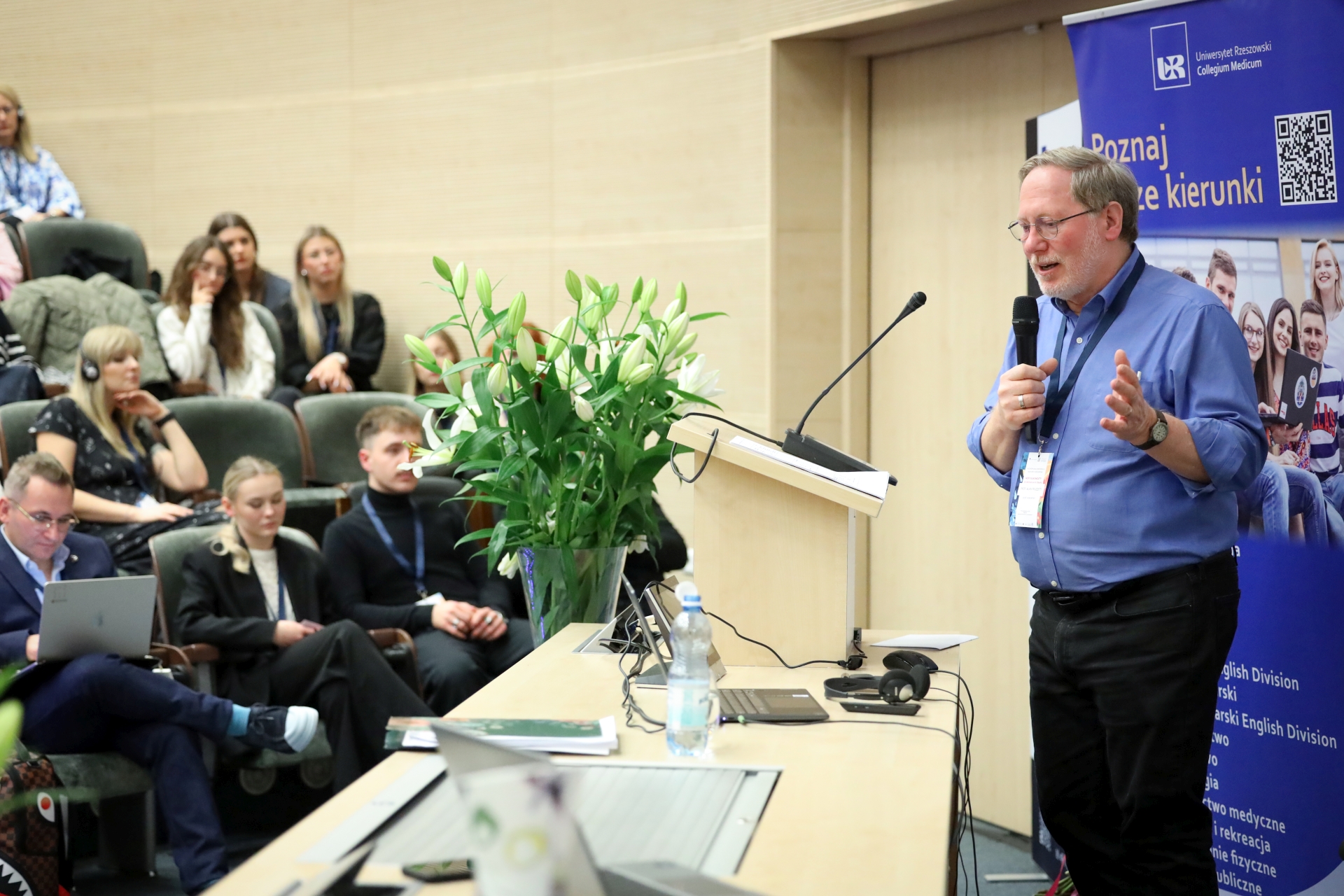
One of the highlights of the event was an inspiring lecture delivered by Professor Alan E. Fruzzetti, who spoke about emotions, relationships, and effective therapeutic methods, emphasising the importance of empathy, cooperation, and balance in the process of mental recovery.
Professor Alan E. Fruzzetti is a world-renowned expert in Dialectical Behaviour Therapy (DBT), a clinical psychologist, and a researcher of emotions and family relationships. He is Professor Emeritus at the University of Nevada, Reno, and co-founder of the Family Connections programme, which supports relatives of individuals with borderline personality disorder. He currently serves as Director of the Center for DBT and Families in the USA and is the author of over 100 academic publications and books.
Among the honorary guests, the conference also featured presentations by Professor Przemysław Bąbel and Dr Artur Kołakowski.
Professor Przemysław Bąbel is a psychologist, Director of the Institute of Psychology at Jagiellonian University, Chair of the Psychology Discipline Council, and Head of the Pain Research Group. He also serves as President of the Polish Society for Behavioural Psychology and is a member of the Committee on Psychology of the Polish Academy of Sciences. His research focuses on learned mechanisms of placebo effects on pain, pain memory, and psychological factors influencing pain perception. He also explores the application of behaviour analysis and memory psychology in education and therapy. His research findings have been published in leading international journals.
Dr Artur Kołakowski, MD, is a psychiatrist and child and adolescent psychiatry specialist. He gained his professional experience at the Developmental Age Clinic and the Second Psychiatric Clinic of the Medical University of Warsaw. For several years, he has been working in outpatient clinics and is currently based at the Poza Schematami (Out of the Box) Centre, where he focuses primarily on the diagnosis and treatment of children and adolescents. In addition to being a physician, Dr Kołakowski is also a cognitive-behavioural psychotherapist and, since 2005, a certified supervisor and trainer of the Polish Association for Cognitive and Behavioural Therapy. He has been teaching cognitive-behavioural psychotherapy for many years and is currently a lecturer at the Crescentia School of Psychotherapy.
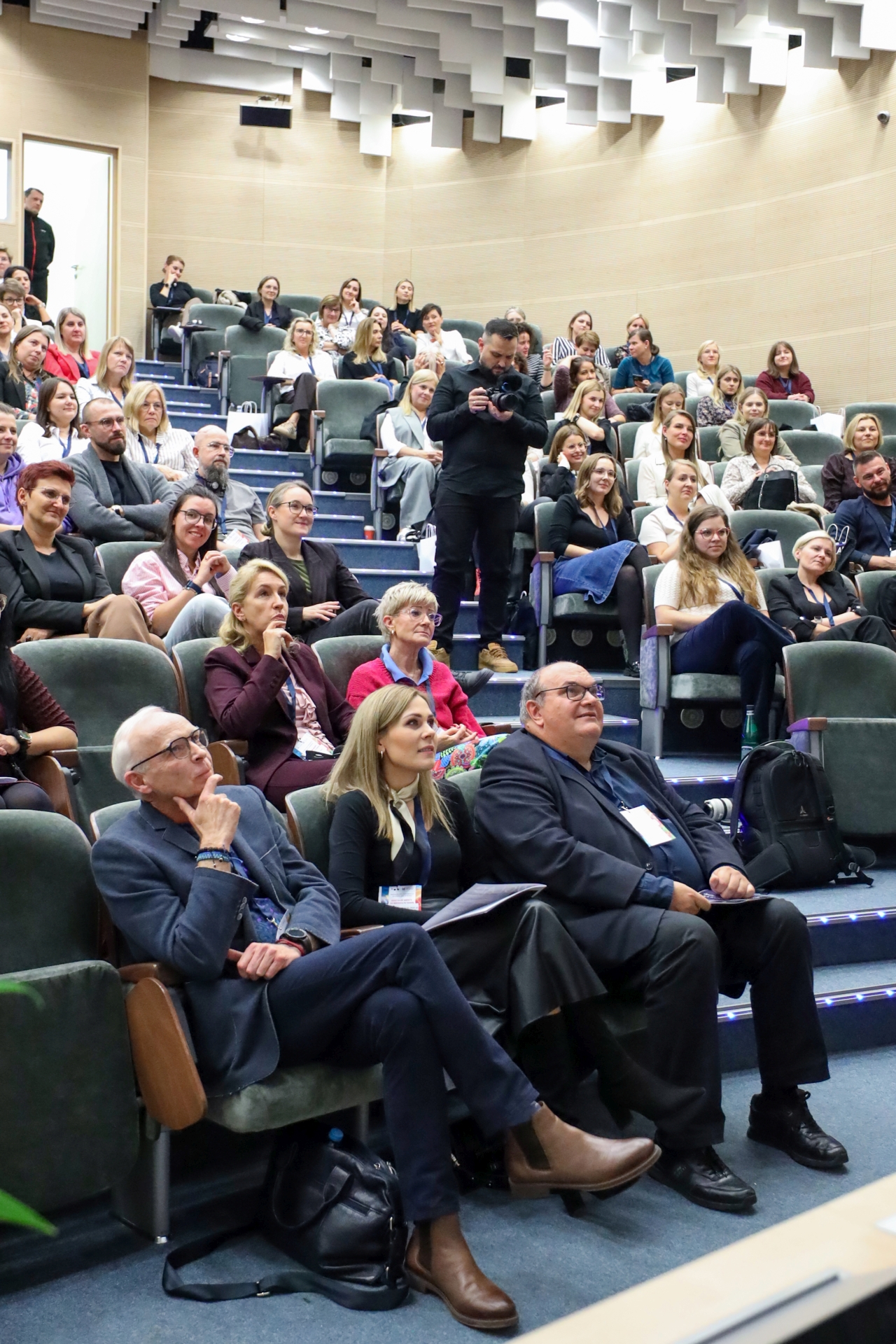
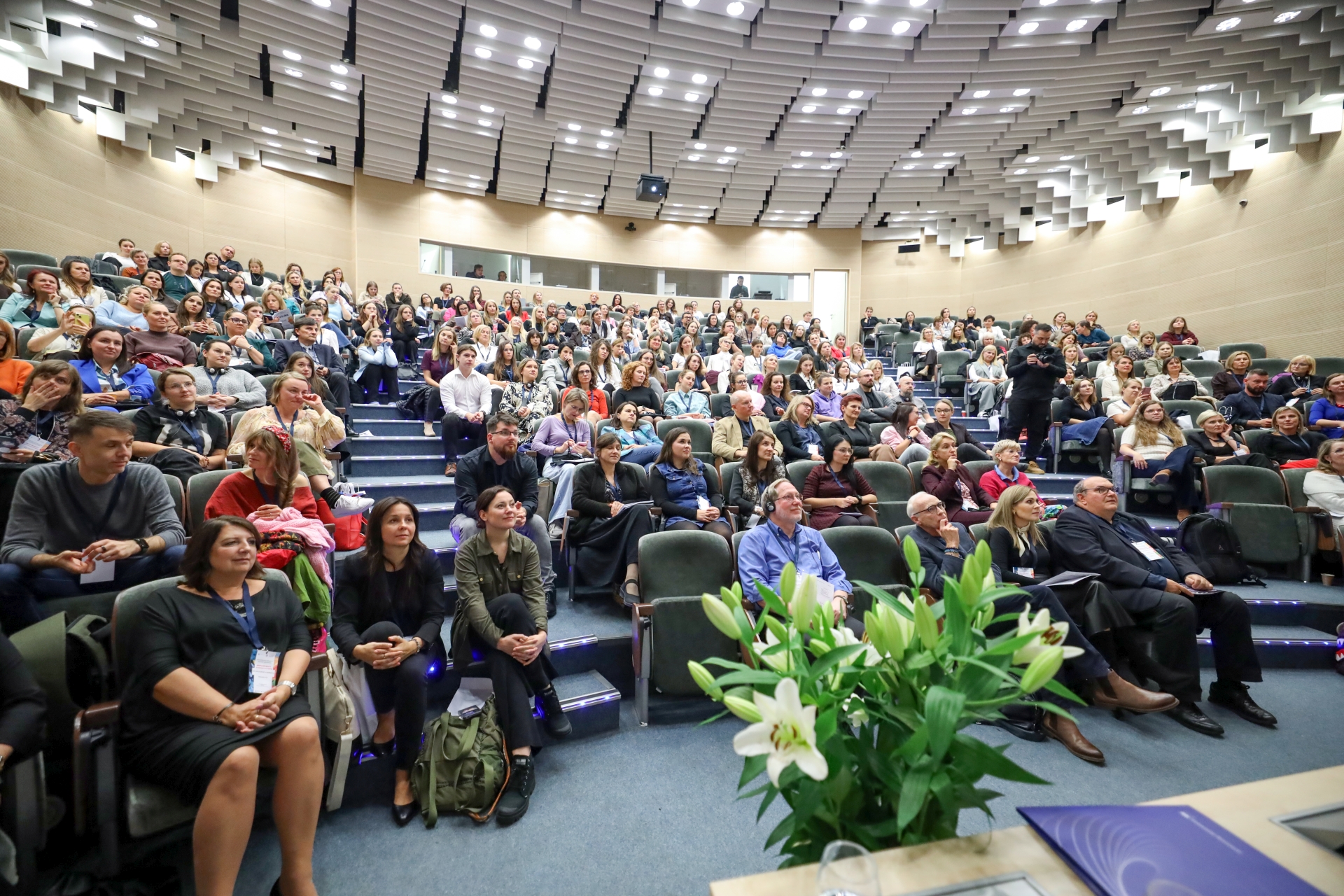
During the conference, discussions covered a wide range of topics, including depression, self-harm, suicidal crises, ADHD, autism, anxiety disorders, eating disorders, and emotional dysregulation, among many other mental health challenges. Participants shared insights into modern forms of psychological support and effective methods of helping people in crisis.
Photo: Michał Święcicki